What is a Lightning Protection Lamp and How Does It Work?
Lightning strikes pose a significant risk to structures, costing industries billions annually. A 2022 report by the National Weather Service indicated over 25 million lightning strikes occurred in the U.S. alone. This alarming data underscores the importance of effective safety measures. The Lightning Protection Lamp is a vital technology designed to safeguard buildings and infrastructure from these unforeseen events.
Renowned expert Dr. Emily Hargrave, a leading figure in lightning protection research, states, "Understanding how a Lightning Protection Lamp functions can save lives and property." This lamp works by diverting the electrical charge from a lightning strike, minimizing damage. Its installation is increasingly critical as urban areas expand and extreme weather events rise globally.
While advances have been made, challenges remain in public awareness and proper installation procedures. In many cases, buildings lack adequate lightning protection systems. As the industry evolves, ongoing education and research will be essential. Awareness of technologies like the Lightning Protection Lamp can make a difference.

Definition and Purpose of a Lightning Protection Lamp
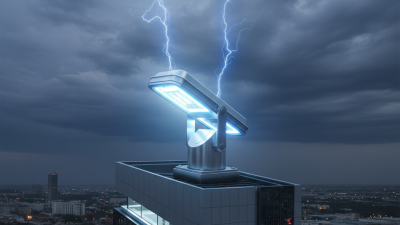
A lightning protection lamp serves a crucial role in safeguarding structures against lightning strikes. Its primary function is to redirect the electrical charge from a lightning bolt away from buildings, preventing damage. These lamps often have a metal rod or conductive materials designed to attract lightning. When a strike occurs, the lamp channels the electrical energy safely into the ground. This helps protect not only the physical structure but also the residents within.
These lamps are particularly important in areas prone to thunderstorms. Installing one can significantly reduce the risk of fire or structural damage caused by lightning. However, improper installation or maintenance can lead to failures. Regular checks are essential to ensure they function optimally. Occasionally, these lamps might not effectively ground the energy, which can create potential hazards. Understanding how they work is vital for anyone considering adding this safety feature to their property.
How Lightning Protection Lamps are Constructed
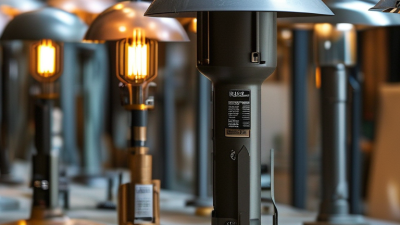
Lightning protection lamps are designed to safeguard structures from lightning strikes. Their construction involves a careful selection of materials and design elements. At their core, these lamps use conductive materials that channel electricity safely into the ground. Typically, copper or aluminum is used for the wiring. These metals are chosen for their excellent conductivity and durability.
The structure generally includes a grounded metal pole, which acts as the primary conduit for lightning. This pole is often fitted with a specialized terminal designed to catch the lightning strike. The lamp body itself must be robust, often made of weather-resistant materials to withstand harsh conditions. It's crucial that connections are secure, as weak links can lead to potential failures during a lightning event.
In practice, installing a lightning protection lamp can reveal challenges. For instance, ensuring the grounding system is effective requires evaluation of soil conditions. Many overlook the importance of proper spacing between rods and fixtures. This can lead to inefficiencies in protection. Regular maintenance and inspections are vital to ensure the system remains functional over time. Each installation might need unique adjustments based on its environment.
Working Mechanism of Lightning Protection Lamps
Lightning protection lamps serve a crucial role in safeguarding structures. They function by utilizing a specialized mechanism that channels lightning strikes away from buildings. When a lightning surge occurs, these lamps detect the electrical charge and direct it through a safe path. This helps to prevent damage to electrical systems and reduces fire risks.
The design of these lamps often includes a conductive rod connected to the ground. This rod acts as a primary pathway for the electrical energy. According to a 2022 report by the International Electrotechnical Commission, effective lightning protection systems can reduce the risk of lightning damage by over 90%. The report emphasizes the importance of grounding systems, which enhance the overall effectiveness of the protection lamp.
Engaging in regular maintenance is vital. Inspect the lamp and its components periodically. Look for any signs of wear or corrosion that might compromise its effectiveness. Consider consulting professionals for a thorough assessment if any issues are detected. Understanding these details can empower users to make informed decisions about their lightning protection systems.
Installation Considerations for Lightning Protection Lamps
When considering the installation of lightning protection lamps, several critical factors must be taken into account. The National Fire Protection Association (NFPA) reports that lightning strikes cause over $1 billion in damages annually in the U.S. alone. Properly installed lamps can significantly reduce these risks. It is crucial to assess the installation site's vulnerability to lightning. Areas like rooftops and open fields are often at higher risk.
The spacing between lamps should follow industry standards to ensure optimal protection coverage. According to the American National Standards Institute (ANSI), lamps should not be more than 50 feet apart in high-risk zones. Regular maintenance is essential as well; a poorly maintained lamp may not function correctly during a storm. An annual inspection can identify potential issues before they become significant problems.
When installing, proper grounding cannot be overlooked. A well-designed grounding system redirects electrical energy safely into the ground. Faulty grounding could lead to failures during a strike event. Pay attention to local regulations and codes, as they can vary widely. Adhering to these guidelines not only ensures safety but also enhances the reliability of the protection system.
Maintenance and Safety Tips for Lightning Protection Lamps
Maintaining a lightning protection lamp is essential for its longevity and effectiveness. Regular inspections are important. Check for visible damage, such as cracks or rust. These can reduce the lamp’s efficiency. Ensure that all electrical connections are tight and free from corrosion. A loose connection can become a weak point during a storm.
Cleaning is also crucial. Dust and debris can obstruct the lamp’s surface. This buildup may impair its function. Use a soft cloth for cleaning. Avoid abrasives that may scratch the surface. If the lamp has a protective coating, ensure it is intact. A damaged coating can compromise the lamp's ability to protect.
Safety is paramount when working with these devices. Always turn off power before performing any maintenance. This prevents electric shock. It’s wise to consult a professional if you're unsure about your skills. Regular maintenance not only enhances performance but also promotes peace of mind during stormy weather. Neglecting maintenance can lead to unforeseen failures. Reflect on your current practices and consider improvements for safety and effectiveness.
Average Lightning Strikes per Year in Different Regions

 +86 18968869621
 CONTACT NUMBER