2026 Best Lightning Protection Lamp for Global Buyers?
In the quest for effective lightning protection, the choice of the right Lightning Protection Lamp becomes crucial for global buyers. As noted by Dr. Emily Thompson, a leading expert in electrical safety, “Investing in quality lighting protection is essential to safeguard lives and property.” Her insights highlight the importance of selecting reliable products that meet safety standards.
The market offers various options, yet not all Lightning Protection Lamps are created equal. Factors such as durability, efficiency, and compliance with international safety regulations matter significantly. Buyers often face challenges in identifying lamps that truly provide the promised protection. It's important to recognize that appearances can be deceiving in this industry.
Each decision carries weight. A poorly made Lightning Protection Lamp can lead to harmful outcomes. Potential buyers should scrutinize the specifications and certifications of each product. Rigorous evaluation of features helps ensure effective protection against unpredictable lightning strikes. Quality matters, and informed choices can minimize risks and enhance safety.
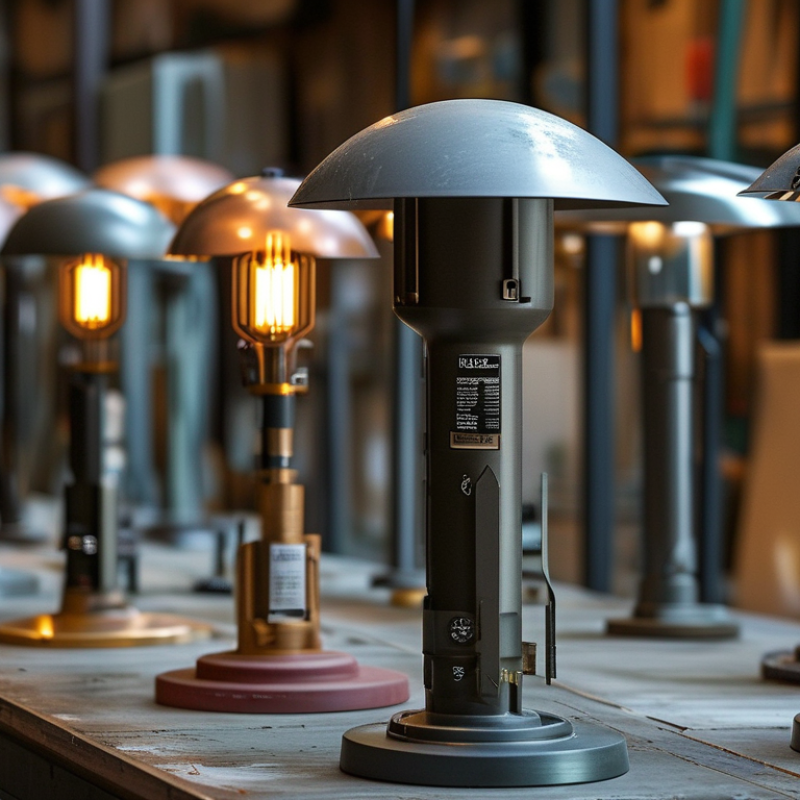
Understanding the Importance of Lightning Protection Lamps
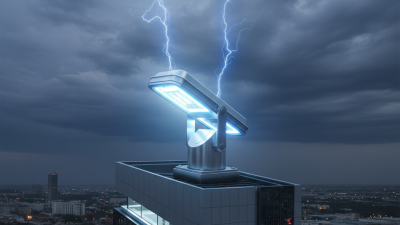
Lightning protection lamps play a crucial role in safeguarding people and property. When a storm approaches, the risk of lightning strikes increases significantly. Many underestimate the power of nature; a single lightning strike can cause severe damage. This makes understanding lightning protection essential for homeowners and businesses alike.
These lamps are designed with advanced technologies to divert lightning strikes away from structures. They often feature robust materials and innovative designs that enhance their effectiveness. However, not all products are created equal. Buyers need to recognize the importance of quality and the reputation of manufacturers. Choosing a reliable source ensures that the lamps function properly during critical moments.
Some might think of lightning protection as an afterthought. This mindset can lead to devastating consequences, especially in regions prone to thunderstorms. Additionally, regular maintenance of these lamps is necessary. Fallen debris, dirt, and other factors can reduce their efficiency. It’s important to reflect on one’s preparedness and upgrade protection methods as necessary. Ultimately, investing in a good lightning protection lamp is a wise decision for safety and security.
Key Features to Consider in Lightning Protection Lamps
When selecting a lightning protection lamp, several key features stand out. The durability of materials is critical. High-quality lamps should withstand extreme weather conditions. Look for reinforced casings that resist rust and corrosion. A good lamp can last years in outdoor settings.
Another essential feature is the brightness level. Users often overlook this aspect. A lamp that offers adjustable brightness levels provides flexibility for different environments. This feature can enhance safety during severe weather events when visibility may be low.
Energy efficiency is also a vital consideration. Many modern lightning protection lamps use LED technology, which consumes less power. This characteristic not only minimizes energy costs but also contributes to sustainability. It's worth noting that while advanced features can enhance performance, they may also complicate maintenance. Striking a balance between technology and simplicity is essential for long-term reliability.
2026 Best Lightning Protection Lamp for Global Buyers
| Model |
Material |
Height (cm) |
Weight (kg) |
Max Voltage (V) |
Protection Radius (m) |
| LPL-1001 |
Aluminum |
120 |
15 |
10,000 |
60 |
| LPL-1002 |
Stainless Steel |
150 |
18 |
12,000 |
75 |
| LPL-1003 |
Copper |
130 |
20 |
15,000 |
80 |
| LPL-1004 |
Plastic |
110 |
10 |
9,000 |
50 |
Top Brands for Lightning Protection Lamps in 2026
As we approach 2026, the demand for effective lightning protection lamps continues to rise. Global buyers are increasingly aware of the importance of safety in various environments. Whether in residential areas or commercial spaces, having reliable protection from lightning strikes is vital. Many users seek lamps that not only offer safety but also blend aesthetics with functionality.
Several brands stand out in the market. These brands focus on innovative design and robust technology. They utilize advanced materials that withstand extreme weather. However, it's essential to remember that not every product meets high standards. Some may lack durability or fail under specific conditions. Buyers must research thoroughly and seek reviews from trusted sources.
This growing market also reveals some gaps. Some brands prioritize aesthetics over performance. Lightning protection can be complex, and products should be rigorously tested. Consumers must remain vigilant. They should demand transparency from manufacturers about how their lamps perform in real-world scenarios. Investing in a reliable lightning protection lamp can save lives and property.
Comparative Analysis of Lighting Protection Lamp Materials
When choosing a lightning protection lamp, material selection is crucial. Various materials can significantly affect durability and efficiency. Aluminum, for instance, is lightweight but may corrode over time. Stainless steel, on the other hand, offers excellent resistance to the elements but can be heavier and more costly. The choice ultimately hinges on location and specific weather conditions.
Another vital consideration is the lens material. Polycarbonate lenses are popular due to their impact resistance. However, they can scratch easily, affecting visibility. Glass lenses, while not as durable, provide better clarity. Understanding how each material performs under different environmental stressors is essential.
The heat dissipation properties also matter. Some materials may not handle high temperatures well, leading to premature failure. A test of various prototypes can reveal weaknesses before going to market. This iterative process helps refine product quality. It’s vital to focus on the long-term reliability of materials over aesthetic appeal. Each decision carries weight and may impact safety. Selecting the right combination is complex.
Global Market Trends for Lightning Protection Lamps
The global market for lightning protection lamps is experiencing notable shifts. As extreme weather events rise, demand for advanced safety solutions increases. Various regions are seeking effective ways to safeguard structures from lightning strikes. This trend is particularly strong in areas prone to thunderstorms.
Recent innovations focus on improving lamp durability and efficiency. Manufacturers are exploring materials that withstand harsh conditions, enhancing product lifespan. There’s an increasing emphasis on energy efficiency, aligning with global sustainability initiatives. However, some designs fail to meet expected performance levels in real-world conditions, leading to customer frustration.
Cost remains a significant factor in buyer decisions. While advanced technologies promise better protection, they often come with higher price tags. Some buyers may opt for cheaper, less effective solutions, potentially risking safety. This highlights a critical gap in market education regarding the benefits of investing in quality lightning protection lamps. As buyers navigate these choices, they must weigh safety against cost carefully.

 +86 18968869621
 CONTACT NUMBER