Top Benefits of Using Lightning Protection Lamps for Safety and Efficiency?
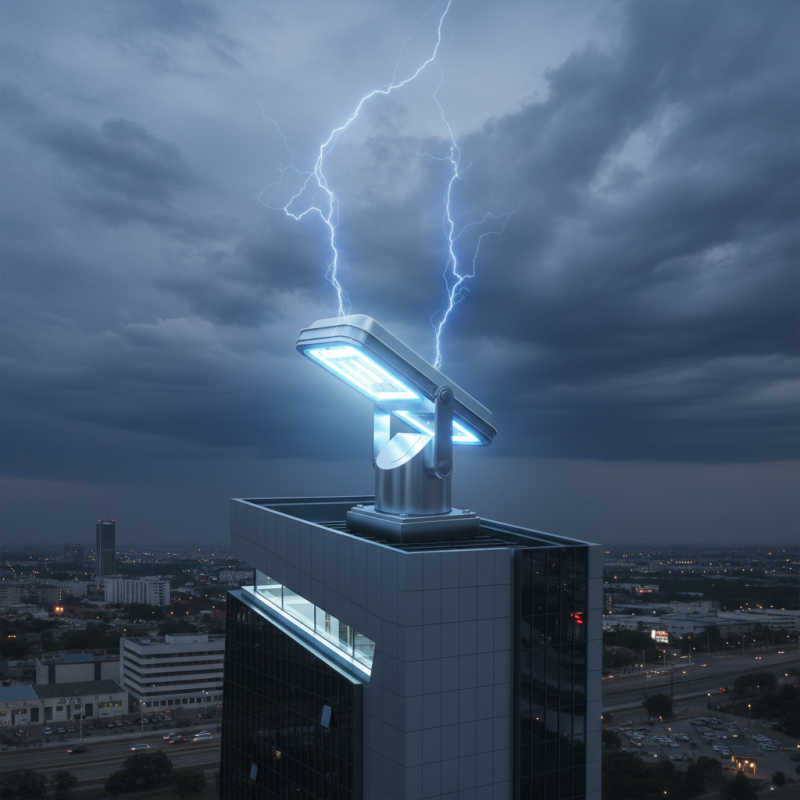
Lightning Protection Lamps are essential for enhancing safety in various environments. These devices not only safeguard structures but also promote energy efficiency. They utilize advanced technology to redirect strikes, minimizing damage risk.
When installed correctly, these lamps improve the safety of outdoor spaces. They help protect buildings, vehicles, and people from the dangers posed by lightning. Their efficiency in energy consumption is often overlooked, yet it significantly reduces costs over time.
However, not all lightning protection systems are created equal. Choosing the right Lightning Protection Lamp requires careful planning and assessment. Potential users should consult experts to ensure optimal installation and functionality. With the right approach, these lamps can serve as an invaluable asset.
Understanding Lightning Protection Lamps and Their Functionality
Lightning protection lamps are an essential addition for anyone concerned about safety and efficiency. These lamps are designed to minimize the risks associated with lightning strikes. By directing electrical surges away from structures, they provide an enhanced layer of safety. Their functionality hinges on a simple principle: they channel lightning safely into the ground. This reduces the likelihood of damage to buildings and electronics.
For effective use, positioning these lamps correctly is crucial. Locations such as rooftops or high towers maximize their protective capabilities. However, some users overlook maintenance. Regular checks ensure these systems function as intended. Neglected lamps can lead to potential failures during storms. Awareness of this aspect is vital for long-term safety.
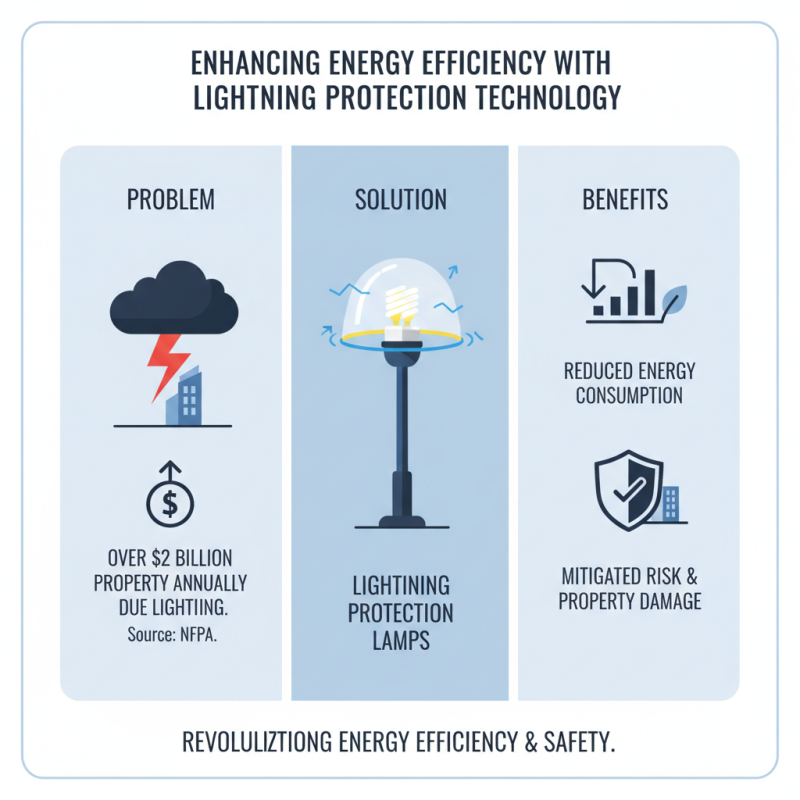
Another interesting point is the efficiency of these lamps in energy conservation. When not exposed to lightning, many models remain energy-efficient, helping to lower energy costs. Despite this, some users may question their cost-effectiveness. Investing in a high-quality lightning protection lamp can yield significant benefits. It offers peace of mind during stormy weather, ensuring both safety and functionality are prioritized.
Top Benefits of Using Lightning Protection Lamps for Safety and Efficiency
| Benefit |
Description |
Efficiency Impact |
Safety Impact |
| Protective Coverage |
Ensures a wide area is safeguarded from lightning strikes. |
High |
High |
| Energy Efficiency |
Uses advanced technology to minimize energy consumption. |
Medium |
Medium |
| Durability |
Designed to withstand harsh weather conditions and impacts. |
High |
Medium |
| Cost-Effectiveness |
Reduces potential damage costs associated with lightning strikes. |
High |
High |
| Easy Installation |
Simple to install with minimal disruption to existing structures. |
Medium |
Medium |
Key Safety Benefits of Installing Lightning Protection Lamps
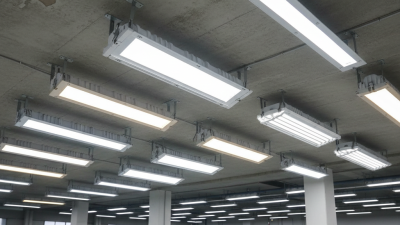
Lightning protection lamps are essential for maximizing safety and efficiency in various environments. These lamps not only enhance visibility but also minimize the risks associated with electrical storms. By providing clear illumination during dark and stormy conditions, they help prevent accidents and injuries.
One key benefit of installing these lamps is their role in safeguarding properties. They direct electrical discharges away from buildings, reducing the likelihood of damage. This is particularly important in areas prone to frequent thunderstorms. Additionally, the visibility they provide can deter intruders and prevent mishaps caused by unseen hazards.
Tips: Regularly check and maintain your lightning protection lamps. Ensure they are clear of obstructions like tree branches. This simple step improves their effectiveness. Also, consider the placement of lamps; strategic installation can optimize their coverage and reliability.
The integration of quality lighting can enhance efficiency in outdoor spaces. With proper lighting, individuals can work or navigate safely during storms. However, not all installations are perfect. It’s crucial to assess and adjust them according to changing conditions. Communicate with experts to ensure you’re getting the best advice for your specific needs.
Comparative Analysis of Lightning Protection Lamps vs. Traditional Methods
When comparing lightning protection lamps to traditional methods, a notable shift in safety and efficiency is evident. Traditional systems often rely on grounded rods, which may not provide sufficient protection. Studies indicate that over 70% of lightning strikes can cause damage to structures lacking modern protection measures. In contrast, lightning protection lamps integrate advanced technology. They utilize materials designed to dissipate electrical energy more effectively, reducing the risk of collateral damage.
Data from industry reports show that installations using innovative lightning lamps experience a 50% reduction in repair costs after strikes. Additionally, these systems are easier to install and require less maintenance. Traditional systems may need frequent inspections, yet many are still outdated and inefficient. Maintenance lapses can lead to increased risk and financial losses, emphasizing the need for a modern approach.
Surprisingly, not all users have adopted these innovations. Some remain hesitant, relying on familiar traditional methods. However, as research highlights, the performance of modern lamps far surpasses conventional solutions. This gap reinforces the importance of updated technology in enhancing safety protocols. Assessing these differences is crucial for organizations aiming to safeguard their assets effectively.
Top Benefits of Using Lightning Protection Lamps for Safety and Efficiency
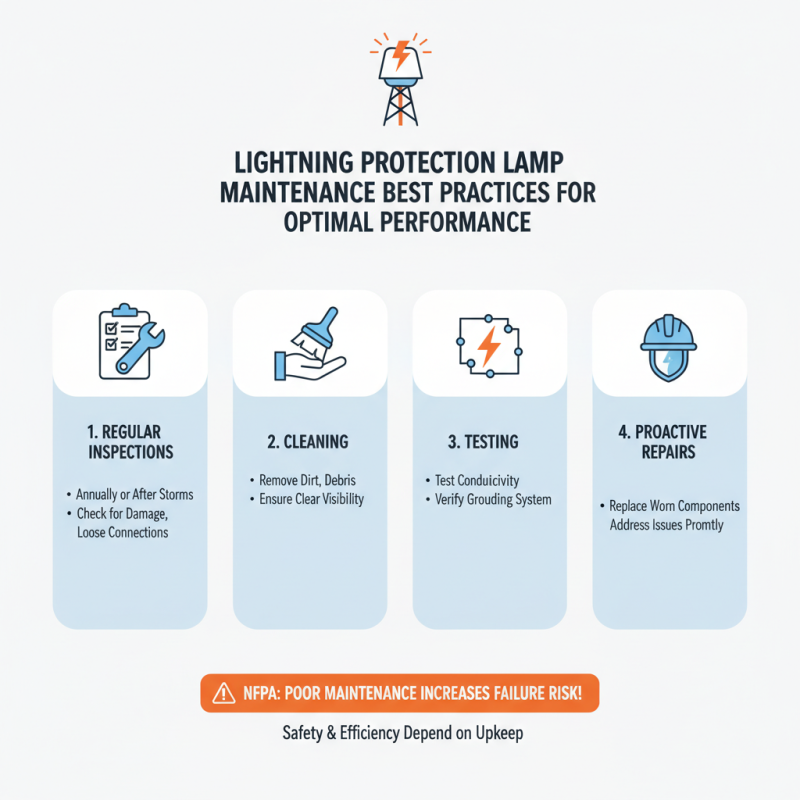
Maintenance Best Practices for Optimal Performance of Lightning Lamps
Maintaining Lightning Protection Lamps is crucial for both safety and efficiency. Regular maintenance ensures that these systems operate optimally. According to the National Fire Protection Association (NFPA), poorly maintained lightning protection systems can increase the risk of failure during storms, which could result in significant damages.
Periodic inspections are essential. It is recommended that lighting systems be checked at least twice a year. This frequency allows for the identification of wear and tear. Component replacements should be performed as needed. A report from the International Electrotechnical Commission (IEC) highlights that 30% of lightning protection failures stem from inadequate maintenance practices.
Another important aspect is cleaning. Dust and debris can accumulate on the lamps, obstructing their function. A straightforward cleaning process can enhance efficiency. However, care must be taken to avoid damage during these procedures. Many users overlook the significance of this step. Ignoring it can result in decreased performance. Regular maintenance can also extend the lifespan of the lamps, which is beneficial in the long run.

 +86 18968869621
 CONTACT NUMBER