Best Cabinet Light Options for Your Home in 2026?
In 2026, choosing the best cabinet light for your home involves careful consideration. Cabinet lights are not just functional; they enhance the beauty of your space. With advancements in technology, options are now more diverse and efficient than ever.
Many homeowners seek the perfect balance between style and practicality. LED cabinet lights are energy-efficient and have a long lifespan. However, there are challenges in selecting the right type for different cabinet designs. Not all lights fit every space, and brightness levels can vary significantly.
Understanding where and how to place cabinet lights can also be tricky. Placement impacts the overall ambiance of your kitchen or living area. Choosing the right color temperature can create warmth or a modern feel. As you explore the various options, consider how they will blend with your existing decor. Personalizing your lighting can result in beautiful spaces but demands thoughtful planning.
Top Trends in Cabinet Lighting Design for 2026
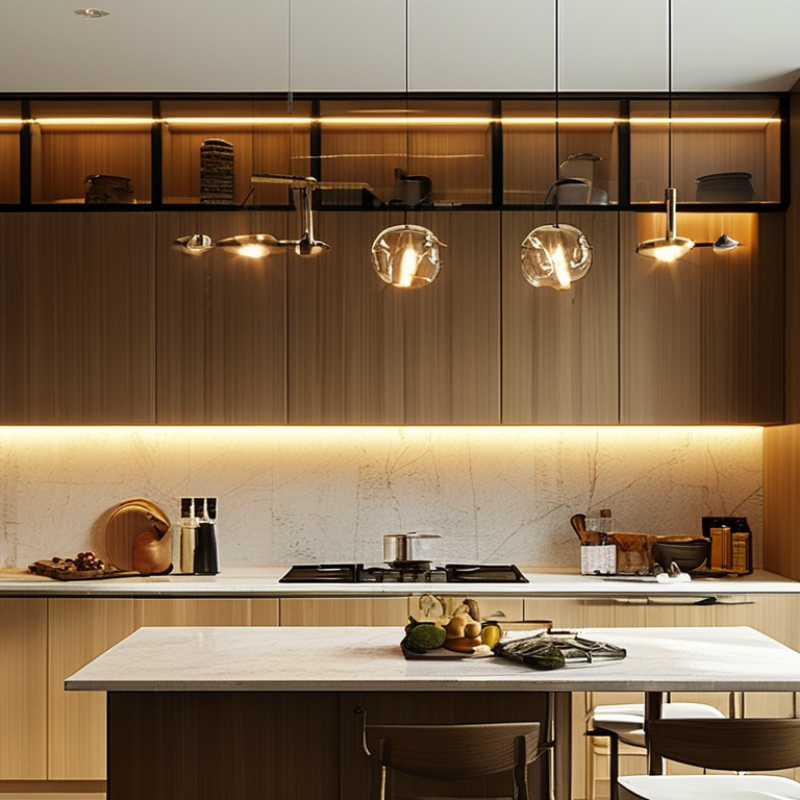
In 2026, cabinet lighting design is evolving rapidly. Homeowners seek solutions that enhance aesthetics and functionality. Indirect lighting is gaining popularity. It creates a soft, ambient glow, transforming ordinary cabinets into stylish focal points.
Warm white tones add warmth and comfort. A minimalist approach is critical.
Streamlined designs save space while maintaining visual impact.
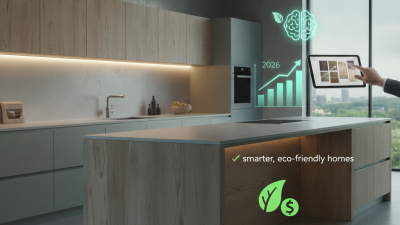
Another emerging trend is smart lighting. Fully integrated systems allow users to control brightness and colors via smartphones. This flexibility appeals to tech-savvy individuals.
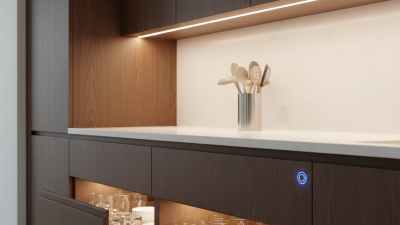
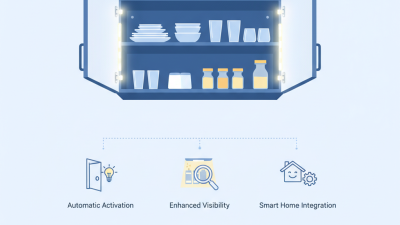
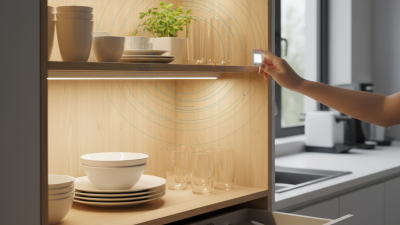
Motion sensors also provide convenience. Imagine your cabinet lighting turning on as you approach. Such innovations reflect a desire for both comfort and efficiency.
Yet, not everything is perfect. Installing smart lighting can be complex. Homeowners may struggle with compatibility issues.
Bringing together various technologies requires careful planning. Aesthetic choices also need to balance with usability. Finding that sweet spot can be challenging.
As trends evolve, continuous improvement is essential to achieve perfect balance.
Understanding Different Types of Cabinet Lighting Options
When considering cabinet lighting, it’s crucial to understand the different types available. Task lighting is one popular option. It provides focused light on specific areas, enhancing functionality in kitchens or workspaces. This direct lighting is often achieved through under-cabinet fixtures. They illuminate countertops effectively, making food preparation safer and easier.
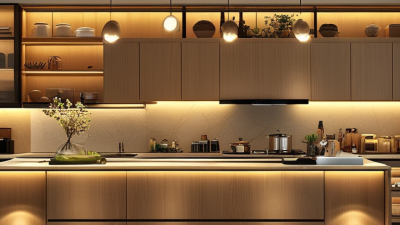
Another common type is ambient lighting. This creates a warm glow throughout the room. Unlike task lighting, ambient fixtures diffuse light more widely. LED strips or hidden lights can achieve this effect, creating a cozy atmosphere. However, placement is key. Poor positioning may result in shadows, which can be frustrating.
Accent lighting is also worth mentioning. This type highlights cabinets' beauty and design. Small spotlights or puck lights draw attention to artwork or decorative items. Care must be taken to avoid overwhelming the space. Over-lighting can distract rather than enhance the aesthetic. Each option has its advantages and challenges, so thoughtful consideration is critical.
Best Cabinet Light Options for Your Home in 2026
Key Features to Look for in Cabinet Lights
Choosing the right cabinet lights for your home in 2026 requires careful consideration of several key features.
Lighting fixtures must offer not just style but functionality. Research indicates that
76% of homeowners prioritize
energy efficiency when selecting lighting options.
Look for LED lights, which provide excellent illumination while consuming less energy.
This shift can result in energy savings of up to
75% compared to traditional incandescent bulbs.
Adjustability is another feature to consider. The ability to position or aim lights
allows homeowners to create the desired ambiance. Reports show that customizable lighting can enhance a
room's aesthetics and improve mood. Moreover,
integrate smart lighting technology when possible.
This allows for easy control of brightness and color settings through mobile apps. According to
industry surveys, smart lighting solutions have increased in popularity by
50% year-on-year.
Lastly, think about installation ease. Some fixtures require professional help, while others
can be installed without much hassle. Homeowners often find themselves frustrated when complicated installations
compromise their vision. Choose lights that fit your skills and comfort level. Inadequate planning can
lead to wasted time and resources. Aim for fixtures that align with your vision while being practical. Keeping
these elements in mind will ensure a well-lit and beautifully
designed cabinet space.
Energy Efficiency and Sustainability in Cabinet Lighting
Cabinet lighting has evolved significantly, emphasizing energy efficiency and sustainability. A 2023 report by the International Energy Agency highlighted that LED lights consume up to 75% less energy than traditional incandescent bulbs. This substantial reduction in energy usage results in lower electricity bills. Additionally, most LED options have a lifespan of 25,000 hours or more, reducing the frequency of replacements. This long lifespan contributes to less waste, aligning with sustainable practices.
The push for more eco-friendly lighting solutions is driven by both consumers and manufacturers. According to a study by the U.S. Department of Energy, households that adopt energy-efficient lighting can reduce their greenhouse gas emissions by an average of 1,000 pounds per year. However, many consumers remain unaware of the differences in efficiency ratings. Understanding the Energy Star certification can be enlightening, as these products meet strict energy efficiency guidelines. Still, performance can vary significantly among products within this category.
While energy-efficient cabinet lighting options are becoming more available, many homeowners struggle with the choices. Some may prioritize aesthetics over functionality, neglecting energy consumption. Moreover, the upfront costs for energy-efficient options can deter potential buyers. It's crucial to evaluate both short-term expenses and long-term savings when considering these fixtures. The shift toward sustainable lighting must be a thoughtful process, balancing aesthetics, cost, and environmental impact.
Installation Tips for Optimal Cabinet Light Placement
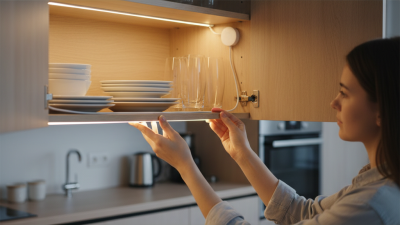
When considering cabinet light installation, strategic positioning is key. Under-shelf lights provide a focused glow, illuminating your work area. These lights enhance visibility and add depth to cabinetry. When placing them, aim for equal spacing to avoid darkness in corners.
Utilize motion sensors for added convenience. They conserve energy and activate only when needed. Install lights away from the hinges to prevent interference. Consider installing lights at different heights for varied lighting effects. Low-mounted lights can create a warm ambiance.
Don’t forget about dimmable options. They allow for intensity control, adapting to your mood. Test various settings before final installation. Remember, every placement should consider aesthetics and functionality. Reflect on the space you have. Improper positioning can result in unwanted shadows. Planning ahead will yield the best results.

 +86 18968869621
 CONTACT NUMBER