What is an Induction Cabinet Light and How Does It Work?
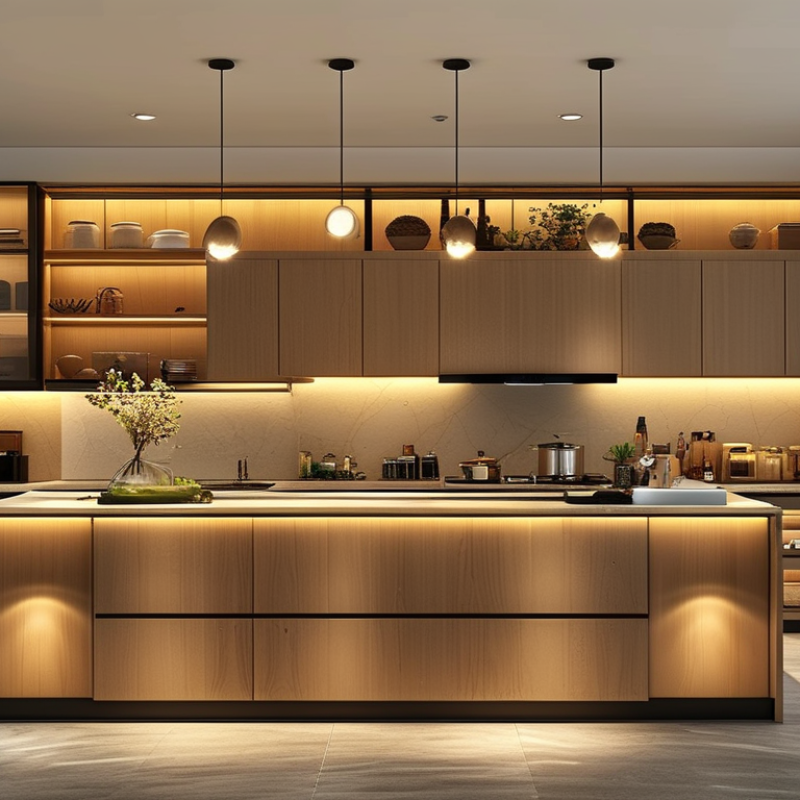
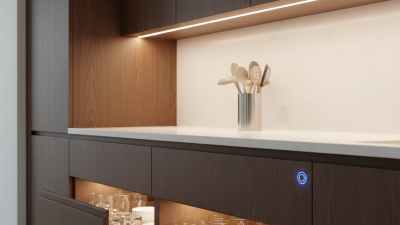
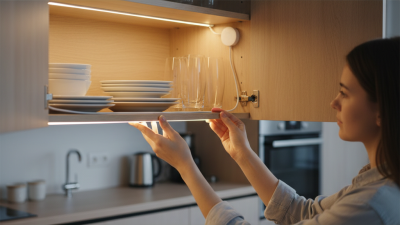
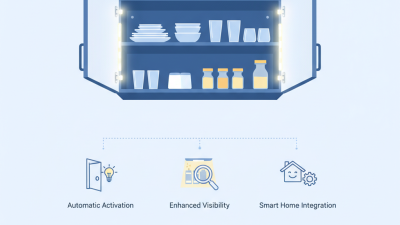
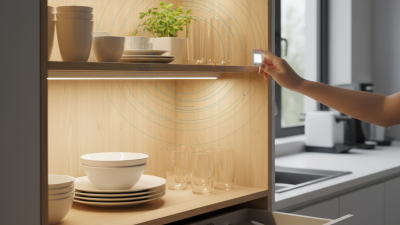
Induction Cabinet Light is an innovative lighting solution. It offers convenience and efficiency for various spaces. These lights use human presence detection technology. When you open a cabinet, they activate automatically.
This technology ensures lights turn on only when needed. It saves energy and enhances user experience. Many homes and offices now adopt this smart lighting. The ease of installation makes it preferable for many.
Induction Cabinet Lights are versatile. They can fit in kitchens, closets, or storage areas. Despite their advantages, some users report setup challenges. Proper placement is crucial for their effectiveness. Ultimately, their benefits often outweigh the small inconveniences.
Definition and Overview of Induction Cabinet Lights
Induction cabinet lights are innovative light sources commonly used in storage spaces. They utilize electromagnetic induction to produce light. Unlike traditional lights, these fixtures do not have filaments or electrodes that can wear out over time. Instead, they rely on magnetic fields to illuminate. This design results in longer-lasting light without compromising brightness or clarity.
The technology behind induction cabinet lights creates a more efficient light source. These lights activate quickly and provide a constant level of brightness. They are ideal for illuminating areas where visibility is crucial, such as in closets or shelving units. While the concept is straightforward, the efficiency of induction lights can vary. Some users might notice differences in light quality based on installation or environment.
Moreover, induction cabinet lights have a unique aesthetic appeal, making them suitable for modern interiors. Their sleek design often pairs well with contemporary furnishings. Installation can pose challenges, as improper setup may lead to dim lighting or flickering. Careful attention to placement and wiring is essential. Adopting this technology can elevate functionality and style in various spaces.
Key Components of Induction Lighting Technology
Induction lighting technology is gaining traction due to its efficiency and unique components. The core of an induction cabinet light system revolves around a gas-filled bulb and an electromagnetic field. The bulb is encased in a glass enclosure, typically containing mercury vapor. Once activated, the electromagnetic field excites the gas, producing bright light without filament degradation. This results in a longer lifespan, often exceeding 100,000 hours, compared to traditional lighting which may last only a fraction of that.
Key components are critical to understanding how induction lights operate. The primary elements include the power supply, inductive coils, and the gas bulb. The power supply converts standard electricity into high-frequency energy. This energy excites the coils, generating an electromagnetic wave. This wave subsequently stimulates the gas inside the bulb, creating illumination. Reports from industry experts indicate that this technology is 70% more energy-efficient than conventional systems, yielding significant savings over time.
While induction lights boast numerous advantages, challenges remain. Initial installation can be complex and requires specialized knowledge. Additionally, not all existing fixtures can accommodate induction bulbs without modifications. Standards for efficiency and safety vary globally, making consistent evaluations necessary. Lighting designers must weigh these factors against the benefits of reduced maintenance and energy savings.
What is an Induction Cabinet Light and How Does It Work? - Key Components of Induction Lighting Technology
| Component |
Description |
Function |
| Induction Coil |
A coil that generates an electromagnetic field |
Creates the ionization necessary for light emission |
| Envelope |
The outer casing that protects the internal components |
Ensures durability and safety of the lighting unit |
| Gas Filling |
Rare gases, typically xenon or argon |
Facilitates the ionization process leading to light generation |
| Power Supply |
Converts electrical energy to supply the induction coil |
Provides the necessary voltage to start and sustain lighting |
| Reflector |
Metallic surface that directs light output |
Enhances light distribution for better illumination |
How Induction Cabinet Lights Operate: The Science Explained
Induction cabinet lights are innovative lighting solutions that rely on electromagnetic fields to generate light. Their operation is rooted in the principles of induction, where energy is transferred through magnetic fields to illuminate the area. This method provides an efficient lighting option for cabinets, closets, and storage spaces, often using fewer resources.
Research shows that induction lights can last over 100,000 hours, compared to traditional lighting options that generally last 10,000 hours. This significant lifespan results in fewer replacements and lower maintenance costs. Additionally, the energy consumption of induction lights is about 60% less than that of incandescent bulbs. Such efficiency aligns with the growing emphasis on sustainable living and reducing energy footprints.
Tips: Ensure proper placement of induction lights. Position them to maximize light distribution, avoiding dark corners. Also, remember to clean the fixtures regularly. Dust buildup can impact brightness. For those transitioning from standard lighting, be prepared for a change in light quality. Induction lighting may appear cooler or different than traditional bulbs, necessitating adjustments in decor or personal preference.
Advantages of Using Induction Lights Over Traditional Lighting
Induction cabinet lights are gaining popularity for their efficiency and longevity. Unlike traditional lights, they use magnetic fields to produce light. This technology not only improves illumination but also reduces maintenance needs. Induction lights can last up to 100,000 hours, significantly longer than traditional bulbs.
One significant advantage of induction lights is their energy efficiency. They convert more energy into light rather than heat, saving on electricity bills. This makes them a smart choice for both residential and commercial settings. Additionally, induction lights emit a bright, consistent light without flickering. Many users appreciate the quality of light, particularly in workspaces.
Tip: When considering induction lights, evaluate your space and lighting needs. Measure the area and think about brightness requirements. Don’t rush your decision; it’s important to select the right intensity for comfort. Another tip: compare different options and technologies available before committing to installation. Investing time upfront can lead to better long-term satisfaction.
Advantages of Induction Cabinet Lights over Traditional Lighting
Applications and Best Practices for Induction Cabinet Lights
Induction cabinet lights offer versatile solutions for various applications. They are commonly used in commercial settings, such as retail stores and warehouses. These lights provide focused illumination, enhancing visibility for displays and workspaces. Their energy efficiency is another benefit, making them sustainable choices for businesses looking to reduce costs. However, some users may underestimate their installation requirements or orientation for optimal performance.
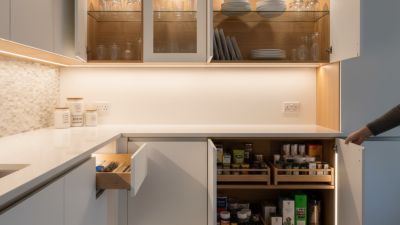
In residential settings, induction cabinet lights can enhance the kitchen or closet area. They can be installed under cabinets, providing task lighting while minimizing shadowing. This application promotes safety and functionality in everyday tasks. Yet, some homeowners might overlook the need for proper maintenance, which can affect their longevity. Regular cleaning and timely repairs are essential to keep these lights functioning properly.
Induction lights also find applications in museums and galleries. They can highlight exhibits without the heat or UV damage associated with traditional lighting. However, there are challenges in integrating these lights with existing systems, and adjustments may be required for ideal placement. Balancing lighting angles and temperatures can make a significant difference in the overall aesthetic and protection of artifacts.

 +86 18968869621
 CONTACT NUMBER