Best Cabinet Light Options for 2026 What to Look For?
As we approach 2026, the demand for innovative Cabinet Light solutions continues to rise. Industry reports indicate that the market for cabinet lighting is projected to reach $1.2 billion by 2025, reflecting a growing emphasis on both functionality and aesthetics in home design. According to John Meyer, a leading expert in lighting design, "The right cabinet lighting can transform a space and enhance usability."
Consumers today are looking for various features in cabinet lights, such as energy efficiency and versatility. Modern options include LED strips and motion sensors, which cater to diverse needs. However, not all products live up to their promises. Some users report issues with brightness and color consistency. These imperfections deserve attention as they impact overall satisfaction.
When selecting Cabinet Light solutions, it is crucial to consider aspects like installation ease and design compatibility. Each cabinet space has unique demands, and lighting should complement rather than overpower. Reflecting on choices made can lead to improved selections in the future. Balancing aesthetics with practicality is key to optimizing cabinet lighting.
Types of Cabinet Lights: An Overview of Common Options
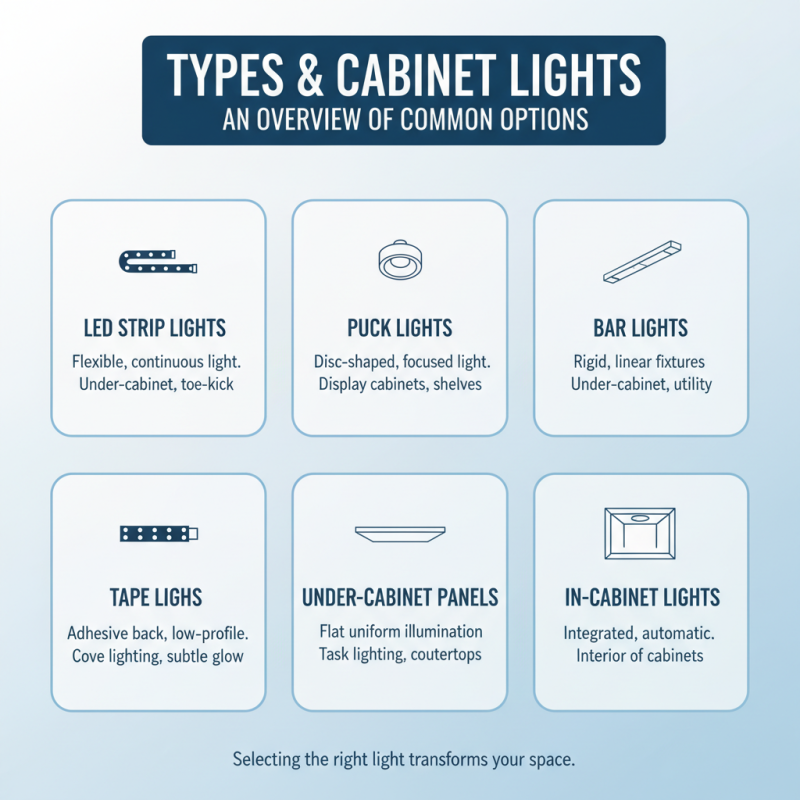
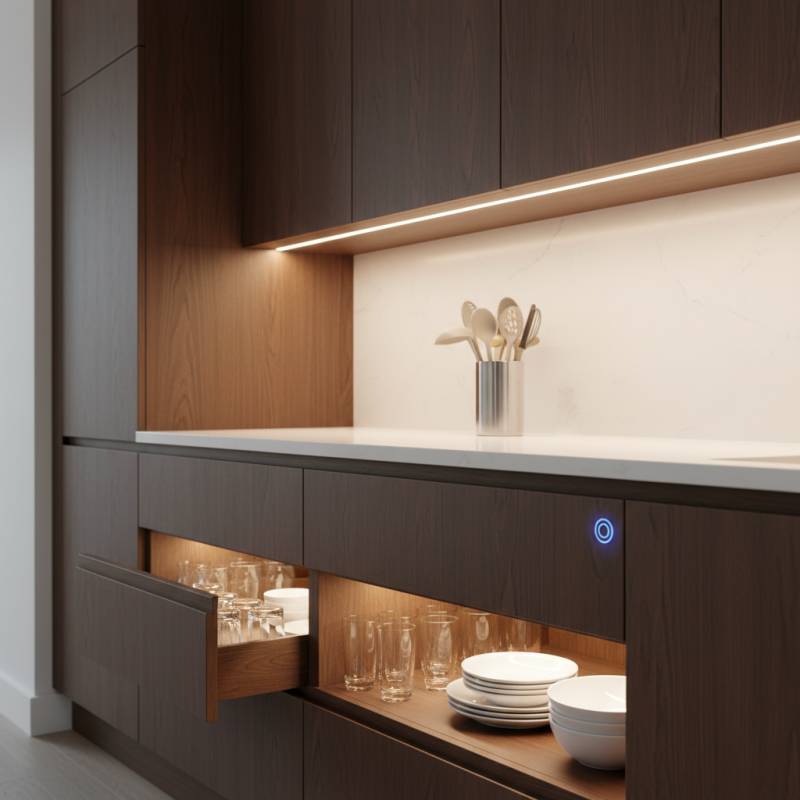
When selecting cabinet lights, understanding the various types available is essential. LED strip lights are popular for their versatility. They can be cut to size and easily installed under cabinets. These lights offer bright illumination with energy efficiency. Additionally, they come in various colors, allowing you to customize the ambiance of your kitchen or living space.
Puck lights are another option, providing focused light in small, round fixtures. They're perfect for highlighting specific areas, like countertops. However, they may require more planning for installation and wiring. While tape lights are easy to install, they might not offer the same intensity as puck or recessed lights. This can lead to shadowy areas that some homeowners may find frustrating.
Recessed lighting is highly regarded for a sleek, modern look. It fits seamlessly into cabinets, providing excellent overall illumination. On the downside, installation can be more complex and often requires professional help. Exploring these diverse options helps you make informed decisions about your lighting needs. Keep in mind the importance of practical use and aesthetic appeal when choosing cabinet lights.
Key Features to Consider When Choosing Cabinet Lights
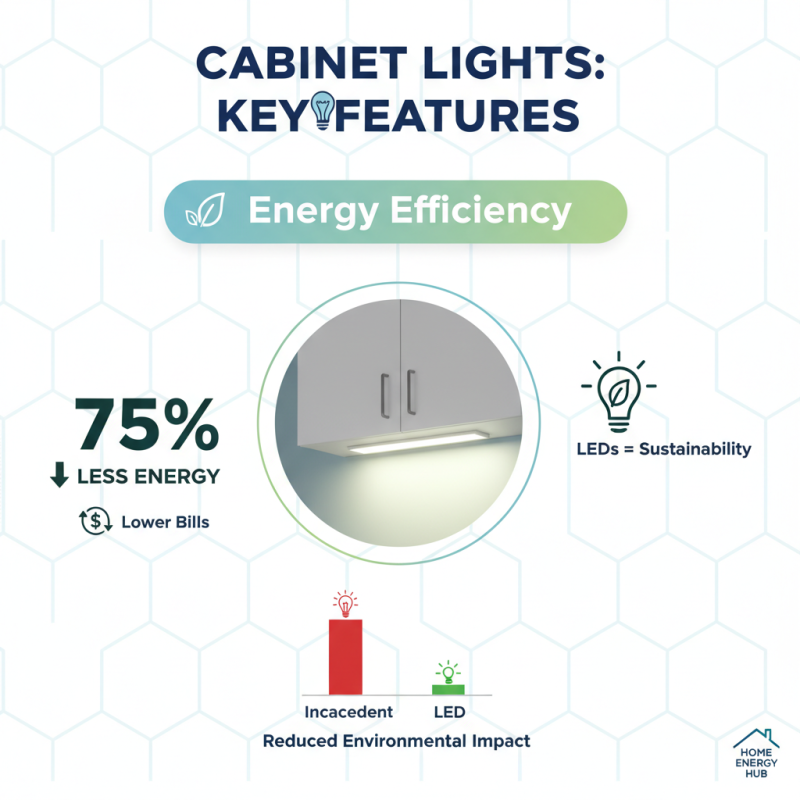
When selecting cabinet lights, a few key features stand out. Energy efficiency is crucial. According to the U.S. Department of Energy, LED lighting uses 75% less energy than incandescent bulbs. This efficiency translates to lower electricity bills and reduced environmental impact. Choosing energy-efficient lighting can significantly enhance your home’s sustainability.
Brightness is another important factor. The right lumen output ensures proper visibility without being overwhelming. The average recommendation for cabinet lighting ranges from 300 to 600 lumens per linear foot. Too much brightness can create glare, while too little may hinder functionality. It’s essential to find the balance that suits your space's needs.
Lastly, consider the color temperature. A range between 2700K and 3000K provides a warm, inviting glow. Cooler temperatures, exceeding 4000K, yield a more sterile and clinical ambiance. Your choice affects the mood and functionality of the area. Reflection on how these elements interact with your cabinetry can lead to better decisions. While great lighting can elevate your kitchen, finding the ideal setup may require experimentation and adjustments.
Energy Efficiency in Cabinet Lighting: What You Should Know
When considering cabinet lighting, energy efficiency is a key factor.
LED lights are the most popular choice. They consume up to 75% less energy than incandescent bulbs.
According to the Department of Energy, switching to LEDs can save a household $225 over its lifetime.
This data highlights why LEDs dominate the market.
However, not all LED fixtures are created equal. Many products boast high lumen output but may have subpar energy ratings.
It’s essential to check for certifications like ENERGY STAR.
These ensure the products meet strict efficiency criteria. Remember, low-quality LEDs can lead to flickering or reduced lifespan.
This leads to more waste and frustration.
Moreover, the placement of lighting plays a crucial role. Strategically placed lights can reduce the number of fixtures needed.
This minimizes energy consumption while maximizing illumination. In 2023, the Illuminating Engineering Society reported that proper placement could enhance the effectiveness of cabinet lights by up to 40%.
Consequently, careful planning is vital in selecting the best fixtures for energy efficiency.
Installation Tips for Cabinet Lights: A Step-by-Step Guide
Installing cabinet lights can significantly enhance the look and feel of your kitchen or workspace. Here’s a step-by-step guide to help you through the process.
Begin by inspecting your cabinets. Ensure there’s enough space for the lights and assess where you want to place them. It’s crucial to choose locations that will illuminate dark corners effectively.
Next, gather your tools. You’ll need a drill, screws, a level, and wire connectors. Preparing your workspace is equally important. Keep the area clean and remove any items from the cabinets that might obstruct your work.
Mark the spots for installation with a pencil. This eliminates guesswork and improves accuracy.
Consider these tips during installation. Use a LED light for energy efficiency and longevity. Make sure to wire the lights safely, following local electrical codes. If you feel uncertain about wiring, consult a professional.
Testing the lights before securing everything can save you time. Reflect on any mistakes you might encounter. Sometimes the placement isn’t quite right, and adjustments are necessary.
Focus on creating a pleasing ambiance while ensuring practicality.
Top Brands and Models of Cabinet Lights for 2026
When selecting cabinet lights for 2026, it’s important to consider key factors that enhance function and style. A recent market analysis indicates that LED cabinet lights are gaining popularity due to their energy efficiency and longevity. Nearly 90% of consumers prefer LED options over traditional bulbs. This transition reflects an industry shift towards sustainable practices.
Several top brands have emerged this year, offering innovative features. Many models now include dimmable options and motion sensors, catering to modern lifestyles. A compelling statistic from the Lighting Research Center shows that user-friendly controls enhance the overall lighting experience by up to 70%. It’s crucial to assess ease of installation and compatibility with existing home systems, as these aspects can impact user satisfaction.
While many models boast impressive brightness, it's essential to consider color temperature. Warmer tones often create a cozy ambiance, while cooler tones provide clarity. Selecting the right temperature significantly influences the aesthetics and functionality of your space. However, some consumers report dissatisfaction due to mismatched expectations versus actual performance. Reflecting on personal preferences can lead to better choices in lighting.
Best Cabinet Light Options for 2026

 +86 18968869621
 CONTACT NUMBER