inquiry
Leave Your Message

China Best Waterproof Downlight Supplier for Global Buyers?

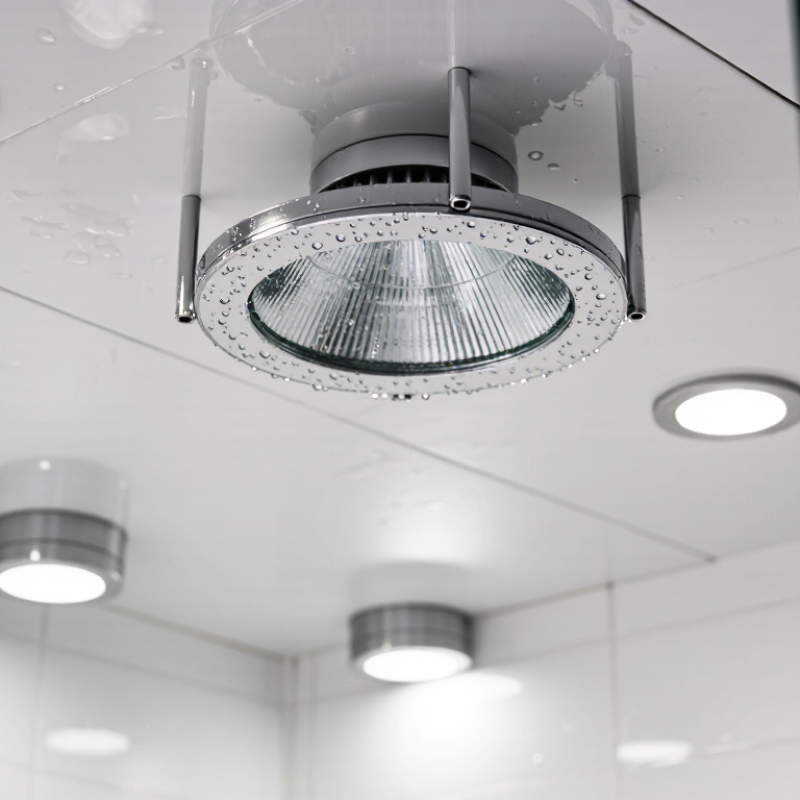
Global buyers searching for the China Best Waterproof Downlight Supplier need more than a low price and a polished product photo. They need fittings suited to damp locations, clear technical documentation, and consistent quality across repeat orders. A Waterproof Downlight may look robust on a showroom counter, yet its real value shows in a wet-room installation, where seals, connectors, and installation details all matter.

Dr. James Brodrick, a lighting expert and former U.S. Department of Energy lighting program manager, has emphasized evaluating lighting by its performance in real applications. A practical, non-verbatim summary of that principle is: “Trust verified performance, not the label alone.” This is a paraphrase, not a direct quotation. Buyers should check the stated ingress protection rating, materials, testing evidence, warranty terms, and supplier’s quality-control process. Ask how products are tested, and request documents that match the exact model under consideration.

Details matter. A loose gasket or unclear wiring instruction can complicate an otherwise sound installation. Compare sample units with production specifications, and confirm how the supplier handles defects and replacement parts. No supplier is perfect. Some product pages omit details that buyers need, so questions—and independent checks—remain essential. This guide explores how global buyers can assess Chinese suppliers, compare specifications, and choose a Waterproof Downlight with confidence.
China Best Waterproof Downlight Supplier for Global Buyers?

What Defines a Waterproof Downlight for Global Applications?

A waterproof downlight is not simply a sealed lamp. Its protection depends on the complete fitting, including the lens, gasket, housing, cable entry, and ceiling interface. IEC 60529 classifies resistance to dust and water through IP ratings: IPX4 covers water splashes, while IPX5 tests resistance to water jets. These ratings describe specific tests, not every real installation condition. Details matter.

For global applications, match the rating to the exposure. A sheltered bathroom ceiling may face condensation and occasional splashes; an outdoor soffit can encounter wind-driven rain, dust, and temperature changes. The U.S. Department of Energy’s LED Lighting Facts guidance reports that LEDs can use at least 75% less energy than incandescent lighting and last up to 25 times longer. Those figures describe LED technology broadly, not every downlight. A sealed design must also manage heat, because trapped heat can shorten component life.

A common mistake is treating “waterproof” as a complete specification. Buyers should check the test standard, rated voltage, operating temperature, drainage or condensation provisions, and whether the rating applies after installation. I would still ask for test documentation and inspect the gasket design; a good-looking seal can be compressed unevenly in a real ceiling. Verify the intended cleaning method, too. A fitting tested against splashes is not automatically suitable for direct jet washing.
Key Features and Ratings Buyers Should Understand

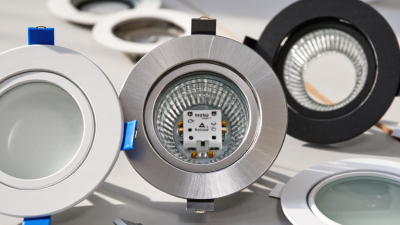
Waterproof downlights should be judged by more than a large IP number. The first digit indicates protection against solids; the second describes water protection. IP65, for example, is dust-tight and tested against water jets, but it does not mean the fitting can be submerged. IP67 covers temporary immersion under specified test conditions, not every real installation.

Check the rating for the complete fitting, including its lens, seals, and cable entry. Ask for test documentation and confirm whether the rating applies when installed in your ceiling type. A poor seal or incorrect cutout can undermine protection. Small details matter. Also check the driver’s location and rating, especially where moisture may reach it.

Compare light output in lumens, colour temperature, colour rendering, and beam angle against the space. A bright fitting may still create harsh spots on a tiled shower wall. Confirm the cutout diameter, dimming compatibility, and expected service conditions before ordering. Even experienced buyers can miss a mismatch between the fitting and the ceiling assembly; product sheets do not always make that distinction obvious.

China Best Waterproof Downlight Supplier for Global Buyers? Key Features and Ratings Buyers Should Understand

Understanding the water-protection digit in an IP rating helps buyers compare downlights for different installation environments.

The chart summarizes water-protection classifications in IEC 60529. The second IP digit describes protection against water ingress; it is a classification level, not a percentage or a guarantee for every installation. Check the complete luminaire’s rated IP code, test documentation, and installation instructions before selecting a downlight.

How to Evaluate Chinese Waterproof Downlight Suppliers

Choosing a Chinese waterproof downlight supplier takes more than comparing prices and catalog photos. Ask how the stated IP rating was tested and whether the report applies to the complete fixture, including its trim, seals, and cable entry. A rating can be misleading if installation conditions are ignored. Request the test date and product model, then check that they match the quotation.

Review a production sample before approving a large order. Inspect the gasket for even contact, check that the spring clips fit your ceiling cutout, and run the light long enough to notice flicker or unusual heat. Ask about driver sourcing, material changes, batch inspection, and replacement procedures. A polished sample does not prove every batch will match. I would not assume it does; that is an easy mistake.

Tips: Ask for written warranty terms and a clear lead-time schedule. Request photos of packaging and carton labels before shipment. Keep a record of approved specifications. If the supplier answers technical questions vaguely, pause and ask again. Short replies are not always a warning, but unclear evidence deserves a closer look.

Manufacturing, Quality Control, and International Compliance

A reliable waterproof downlight begins with controlled manufacturing, not a label on the carton. Housing dimensions, gasket thickness, and driver placement should follow documented specifications. On the production line, workers can check seal seating before each unit is closed. Small details matter. A pinched gasket may pass a quick visual inspection yet allow moisture inside later. Suppliers should retain material records and batch codes, so defects can be traced beyond one shipment. In practice, production speed can create pressure to simplify checks. That risk deserves honest attention, not a polished factory brochure.

Quality control should combine visual inspection with repeatable tests. Sample units can undergo water-ingress checks, electrical safety tests, and thermal evaluation under defined conditions. Keep dated results, test settings, and corrective actions. IEC 60529 provides a common framework for IP ratings, but an IP rating alone does not prove suitability for every installation. Market requirements differ, and buyers should confirm applicable approvals with qualified testing bodies before ordering. Ask for current reports that match the exact product configuration. Even a thorough test plan has limits: transport damage and poor installation can still compromise sealing. Good suppliers make those limits clear.

China Best Waterproof Downlight Supplier for Global Buyers? - Manufacturing, Quality Control, and International Compliance

Evaluation Area What Buyers Should Check Relevant Evidence or Standard Why It Matters
Water and dust protection Confirm the required IP rating for the complete luminaire and its intended installation. Check whether the rating applies to the front face, rear housing, cable entry, and any supplied seals. IP classifications are defined by IEC 60529. For example, IP65 indicates dust-tight protection and protection against water jets; it does not indicate protection against immersion. “Waterproof” is not a single test level. The suitable rating depends on exposure, mounting position, and whether the fitting is used indoors, outdoors, or in a wet location.
Product construction Review housing and trim materials, lens or diffuser, gaskets, cable glands, spring clips, and corrosion protection. Verify that the production version matches the tested configuration. Product drawings, bill of materials, assembly instructions, material specifications, and configuration-specific test documentation. Changes to materials, seals, or assembly details can affect heat management, durability, and ingress protection.
Manufacturing controls Ask how incoming components, assembly steps, wiring, sealing, and final packing are controlled. Look for documented work instructions, staff training, and traceability practices. Factory process records, inspection plans, component identification, production-lot records, and corrective-action procedures. Documented controls help buyers assess whether products can be made consistently across production batches.
Ingress-protection testing Request test reports for the exact model and installation conditions. Confirm the test setup, sample identification, rating claimed, and any limitations on mounting or orientation. IEC 60529 test reports from a competent laboratory; the report should identify the tested product configuration and test method. A report for a different enclosure or product variant may not substantiate the rating of the supplied downlight.
Electrical and luminaire safety Check the rated input, insulation and earthing arrangement, driver compatibility, terminals, and installation requirements. Confirm that safety documentation covers the complete luminaire. IEC 60598-1 covers general requirements and tests for luminaires; IEC 60598-2-2 applies to recessed luminaires. Applicable editions and national deviations should be checked for the destination market. Safety requirements and installation rules vary by product design and destination country.
LED and thermal performance Review operating temperature limits, thermal design, LED module information, driver specifications, and photometric data. Ask whether performance data relates to the complete fitting or only a component. Relevant documentation may include LED module and driver specifications, temperature measurements, and photometric test reports. Applicable standards depend on the product and market. Good thermal management supports reliable operation; component data alone may not represent the performance of the assembled luminaire.
Production quality checks Ask for the supplier’s written inspection criteria for appearance, wiring, operation, labeling, and packaging. Confirm how defects are recorded and resolved. Inspection checklists, sample records, nonconformance reports, and corrective-action records. Acceptance limits should be agreed between buyer and supplier. Clear, agreed checks make quality expectations measurable without relying on informal assurances.
European Union market access Identify the applicable EU legislation for the specific product, prepare the required technical documentation, and verify that product markings and instructions are suitable for the market. Where applicable, requirements may include the Low Voltage Directive, EMC Directive, RoHS Directive, and the EU Declaration of Conformity. CE marking is the manufacturer’s declaration of conformity with applicable EU requirements, not a universal quality grade. Applicable legislation depends on product design and intended use. Buyers should check the declaration and supporting evidence for the exact model.
Other destination markets Check local electrical safety, energy, labeling, and installation requirements before ordering. Confirm whether local approvals or recognized certification marks are required. Requirements differ by country. For example, Great Britain has its own product-marking rules for products within scope, while North American markets may require evaluation against applicable local standards and codes. One test report or marking does not automatically establish compliance in every country.
Documentation and traceability Request model-specific datasheets, installation instructions, labels, test reports, declarations, and batch identification details. Check that ratings and model numbers agree across documents. Controlled document set linked to the product model and production version; records should identify revisions where applicable. Consistent documentation supports customs, installation, market surveillance, and post-sale product investigations.
Supplier qualification Assess manufacturing capability, communication, change control, lead-time planning, sample approval, and the supplier’s process for handling product complaints. Capability review, approved sample records, change-notification procedure, production schedule, and complaint or corrective-action process. A supplier’s suitability should be judged using verifiable product and process evidence, not a title or general “best supplier” claim.

Buyer note: Standards and regulatory requirements can change and may differ by destination market. Confirm the current requirements with the relevant authorities or a qualified compliance professional before placing an order.

Steps for Comparing Suppliers and Placing an Order

When comparing waterproof downlight suppliers, start with the exact installation conditions: ceiling type, exposure to moisture, cutout size, and required beam angle. Ask for the IP test report, lumen output, color temperature, CRI, driver details, and dimming compatibility. Check that test documents match the specific model, not just a product family. Small details matter.

The IEA’s 2023 Global Status Report for Buildings and Construction estimates that buildings use 34% of global energy and produce 37% of energy- and process-related CO₂ emissions. Efficiency is worth checking. The U.S. Department of Energy reports that LED lighting uses at least 75% less energy and can last up to 25 times longer than incandescent lighting. These figures are useful benchmarks, not guarantees for a particular fixture. Request measured efficacy and lifetime data for the proposed downlight.

Before placing a bulk order, compare samples under the same conditions. Check the seal, finish, light color, and fit in a real ceiling cutout; a spreadsheet can miss an uneven gasket. Confirm sample approval, order quantity, lead time, packaging, payment milestones, warranty terms, and inspection criteria in writing. For the first purchase, consider a small pilot batch. One practical caution: certificates can be genuine yet outdated, so verify their issue date and model reference before payment.