inquiry
Leave Your Message

Why Choose Trestle Light for Modern Commercial Spaces?

Why Choose Trestle Light for Modern Commercial Spaces?

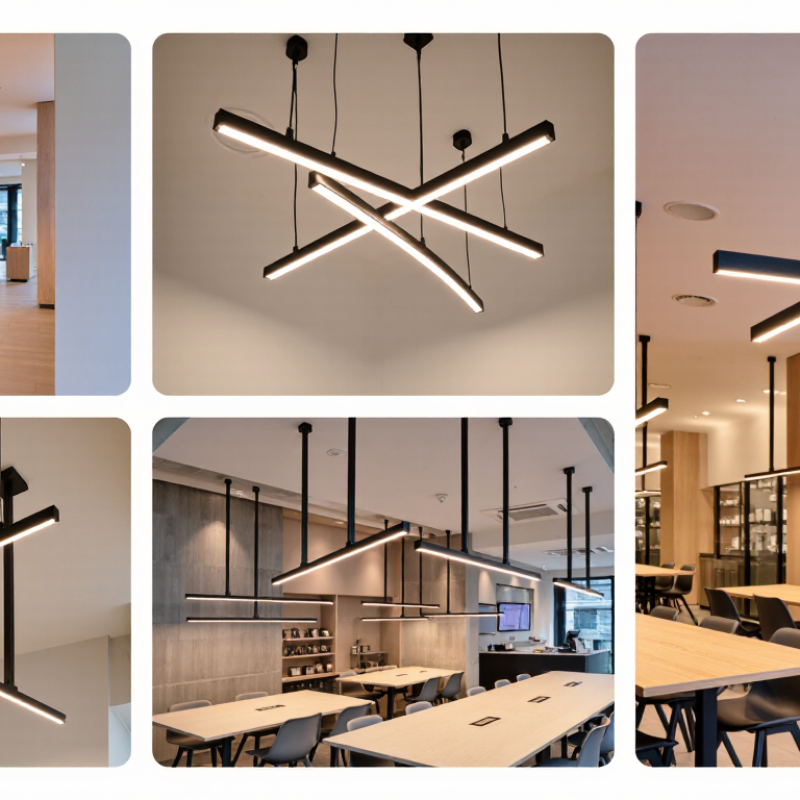
Modern commercial interiors need more than brightness. They need comfort, identity, and reliable visual performance. Trestle Light can support these goals with a balanced combination of structure and illumination. Its distinctive form often becomes part of the interior language, especially above reception desks, dining areas, retail counters, and collaborative tables.

Sally Storey, an architectural lighting designer, expresses a useful principle: “Light should reveal architecture, not compete with it.” Trestle Light follows this idea when its scale, beam angle, and finish are carefully selected. A warm 2700K–3000K tone can soften timber and textured walls. A high-CRI source can make food, products, and printed materials appear more natural. Diffused optics may also reduce harsh reflections on screens and polished counters.

Practical details matter. Designers should check glare, mounting height, maintenance access, and local electrical requirements before installation. One attractive fixture cannot repair a poorly planned lighting scheme. That assumption deserves scrutiny.

A successful Trestle Light installation should feel intentional, not oversized. It should guide attention without blocking sightlines. In a busy café, imagine warm pools of light across tabletops, with quieter edges around circulation paths. In an office, controlled illumination can make a meeting table feel focused without making the room feel clinical.

The choice is not automatically right for every project. Ceiling height, brand character, energy targets, and cleaning routines all influence the result. When those factors align, Trestle Light offers commercial spaces a memorable feature with practical value. That balance is the real reason to consider it.
Why Choose Trestle Light for Modern Commercial Spaces?

What Is Trestle Lighting in Modern Commercial Design?

Trestle lighting is a suspended lighting system shaped around a visible supporting frame. Its structure often resembles a bridge trestle, with beams, cables, or crossbars holding linear or pendant light sources. In modern commercial design, it combines illumination with architecture. The fixture becomes part of the ceiling composition, rather than disappearing above it. This approach suits cafés, reception areas, galleries, and open offices with tall ceilings.

Its value depends on proportion and control. A well-designed trestle system can define zones above a communal table, guide movement through a lobby, and create a clear visual rhythm. The U.S. Department of Energy’s 2023 Solid-State Lighting R&D Opportunities report notes that advanced LED systems can exceed 150 lumens per watt. That efficiency allows designers to create strong visual impact with lower energy demand. The International Energy Agency reports that lighting uses about 15% of global electricity consumption. Efficient commercial lighting therefore deserves serious planning.

Trestle lighting should support people, not merely decorate a ceiling. Layered illumination, glare control, and adjustable output remain essential. Poorly positioned beams can interrupt sightlines or make a workspace feel crowded. That mistake is easy to make. IES recommendations for offices emphasize appropriate horizontal and vertical illumination, especially where screens and faces matter. Designers should test mounting height, shadow patterns, and maintenance access on site. The result may look slightly less dramatic, but it often performs better. A practical detail is still part of the design.
How Trestle Lights Support Functional Space Planning

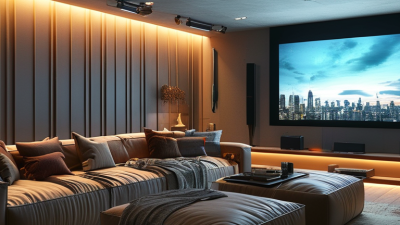
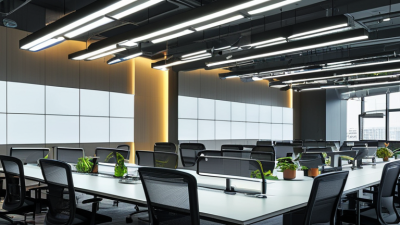
Trestle lights can support modern commercial planning by defining zones without building walls. Their long, balanced form works above shared tables, reception counters, and circulation paths. This helps teams read a room quickly. A meeting area feels distinct, even when the floor remains visually open.

The 2023 Gensler Global Workplace Survey found that employees value workplaces offering varied settings for focused work, collaboration, and social interaction. Trestle lighting can reinforce that variety through consistent visual cues. Place brighter fixtures over active worktables, then use softer layers near informal seating. According to the U.S. Energy Information Administration’s Commercial Buildings Energy Consumption Survey, lighting represented about 17% of commercial building electricity use. Efficient LED systems, occupancy controls, and daylight sensors therefore deserve attention during space planning. The fixture alone cannot solve energy waste.

Details matter.

In practice, installers should check ceiling height, glare, mounting depth, and sightlines from seated positions. The Illuminating Engineering Society recommends controlling luminance and contrast to improve visual comfort, but real spaces remain unpredictable. Glass partitions, polished desks, and white ceilings can produce unexpected reflections. A pilot installation is wiser than relying only on drawings. Designers may also underestimate maintenance access, especially above densely furnished areas. That mistake is common. Trestle lights support functional planning best when illumination, furniture, circulation, and control zones are designed together—not treated as separate decisions.

Which Materials and Finishes Suit Commercial Interiors?

A trestle light can bring structure and warmth to modern commercial spaces. Its open framework suits offices, cafés, galleries, and hospitality settings. Material selection should support the room’s daily demands, not only its visual concept. Powder-coated steel offers strong durability and consistent color. Brushed aluminum feels lighter and reflects more ambient light. Solid timber adds tactility, but it needs careful sealing in busy environments.

Finishes change how the fixture behaves within the interior. Matte black creates contrast and hides minor glare, although dust can become visible on horizontal surfaces. Warm white finishes soften concrete ceilings and pale walls. Brushed brass introduces a refined accent, but fingerprints may require frequent cleaning. In food-service areas, sealed metal is often more practical than unfinished wood. A small sample under the actual lighting can reveal unexpected color shifts.

Performance deserves equal attention. Select a suitable color temperature, often between 3000K and 4000K, according to the space’s mood and task requirements. High color rendering helps merchandise, artwork, and materials appear more natural. Check heat management, driver access, cleaning methods, and local electrical requirements before installation. I have found that the most attractive finish is not always the easiest to maintain. That lesson is easy to overlook. A full-scale mock-up can expose glare, shadow patterns, and awkward mounting details before they affect the finished interior.

How Trestle Lighting Enhances Ambience and Brand Identity

Why Choose Trestle Light for Modern Commercial Spaces?

Trestle lighting can make a commercial interior feel structured, warm, and recognisable. Its suspended form creates a clear visual rhythm above tables, counters, or collaborative zones. In my experience, this rhythm helps visitors understand how a space should be used. Soft downward light can highlight wood grain, menus, product displays, and textured walls. The result feels intentional without becoming overly polished. That balance matters for brand identity. Customers remember atmosphere before they remember technical details.

Tips: Choose a scale that matches the room, not only the ceiling height. Keep the lowest fixture safely above eye level in busy areas. Use warm colour temperatures for hospitality spaces, but test samples at night. Coordinate the light with wall finishes and furniture tones. A dark fixture may look elegant on paper, yet appear heavy beside dark ceilings. Mock-ups are worth the effort.

Trestle lighting also supports consistency across multiple locations. Repeated shapes, spacing, and light quality can create a familiar experience without copying every detail. Professional planning should consider glare, maintenance access, energy use, and local safety requirements. Dimming controls can shift the mood from a bright morning service to a quieter evening setting. Still, more lighting is not always better. I have seen carefully designed spaces lose their character through excessive brightness. A slightly imperfect shadow can make a room feel more human.

Why Choose Trestle Light for Modern Commercial Spaces?

How Trestle Lighting Enhances Ambience and Brand Identity

Trestle lighting can support layered illumination by directing brighter light toward task-focused areas while creating softer visual transitions in circulation and lounge zones. This balance helps modern commercial interiors feel functional, welcoming, and visually consistent.

Reference values show typical maintained illuminance targets in lux based on EN 12464-1 recommendations. Requirements may vary according to local regulations, task details, and interior design conditions.

What Factors Should Guide Trestle Light Selection?

Why Choose Trestle Light for Modern Commercial Spaces?

What Factors Should Guide Trestle Light Selection?

Selecting trestle lighting requires more than matching a fashionable silhouette. I begin by studying ceiling height, room proportions, walking paths, and furniture placement. A large fixture can anchor an open lobby, while a smaller arrangement may suit a narrow dining area. Measure twice. Visual balance matters.

Light distribution should guide the decision. Direct light supports tables, counters, and work surfaces, but excessive brightness can create glare on screens. Diffused illumination usually feels calmer in reception areas. I also check color temperature, dimming performance, and shadow behavior during evening hours. A warm setting may welcome visitors, yet a cooler setting can improve visual clarity in task-focused spaces.

Material and maintenance deserve equal attention. Dust collects on upper frames, especially beneath exposed ceilings. Select finishes that tolerate regular cleaning without losing their texture. Confirm mounting strength, electrical access, and local safety requirements before installation. A quick mock-up often reveals problems that drawings hide. In one project, the chosen fixture looked elegant alone but felt oversized beside the furniture. We revised the spacing and lowered the visual weight. That correction cost time, but it improved the room. Budget should include installation, controls, replacement parts, and future servicing, not only the initial purchase.

Why Choose Trestle Light for Modern Commercial Spaces? - What Factors Should Guide Trestle Light Selection?

Selection Factor Recommended Benchmark Why It Matters in Commercial Spaces What to Check Before Purchase Typical Application Guidance
Light Output Select lumen output according to room size, ceiling height, task type, and spacing. Adequate light levels support visibility, comfort, productivity, and safe movement without excessive energy use. Review delivered lumens, photometric files, beam distribution, and proposed mounting height. Use a lighting calculation rather than selecting fixtures by wattage alone.
Energy Efficiency Compare system efficacy in lumens per watt; higher efficacy generally reduces operating energy. Commercial lighting often operates for long periods, so small efficiency differences can affect annual electricity consumption. Check fixture efficacy, driver losses, standby consumption, and control-system compatibility. Prioritize efficient systems for offices, retail areas, hospitality venues, and circulation zones.
Color Temperature Common commercial choices are approximately 3000K–4000K, depending on the environment. Color temperature influences atmosphere, visual comfort, material appearance, and perceived cleanliness. Confirm correlated color temperature, consistency between fixtures, and suitability for the space’s interior finishes. Use warmer tones for hospitality and relaxed environments; use neutral-white tones for offices and task areas.
Color Rendering CRI 80 or higher is widely used for general commercial lighting; CRI 90 or higher suits color-critical areas. Accurate color rendering improves the appearance of products, finishes, signage, artwork, and skin tones. Review CRI and, where relevant, R9 performance and manufacturer test data. Consider higher color quality for retail, galleries, salons, healthcare, and presentation spaces.
Glare Control For many office environments, a low Unified Glare Rating target such as UGR <19 may be appropriate, subject to the lighting design. Controlled luminance reduces visual discomfort and reflections on screens and polished surfaces. Assess optics, shielding, diffuser design, fixture position, ceiling height, and computer-screen locations. Use low-glare optics in open offices, classrooms, meeting rooms, and other screen-intensive spaces.
Beam Distribution Choose narrow, medium, wide, or asymmetric distribution based on the mounting arrangement and illuminated surfaces. Correct distribution improves uniformity and reduces wasted light, dark zones, and unnecessary overlap. Review beam angle, spacing criteria, photometric diagrams, and calculated uniformity. Use wider distributions for general areas and more focused distributions for accent or high-ceiling applications.
Mounting Flexibility Support the required mounting method, such as suspended, surface-mounted, wall-mounted, or track-compatible installation. Flexible installation helps coordinate lighting with exposed ceilings, architectural structures, and changing layouts. Check dimensions, suspension length, fixing points, cable routing, load requirements, and adjustment range. Trestle-style forms can complement linear layouts, open ceilings, collaborative zones, and feature installations.
Controls and Dimming Specify compatible dimming and control methods, such as 0–10 V, DALI, occupancy sensing, or daylight response. Controls can reduce energy use, support flexible activities, and improve occupant comfort. Verify driver compatibility, minimum dimming level, flicker performance, commissioning needs, and control wiring. Use occupancy and daylight controls in offices, classrooms, conference rooms, and intermittently used areas.
Flicker Performance Choose a driver with documented low-flicker performance, especially for camera-recorded or visually demanding environments. Poor temporal light modulation may create visual discomfort or unwanted effects in video and rotating equipment. Request tested flicker metrics across the full dimming range rather than relying only on nominal specifications. Pay particular attention in studios, offices with cameras, laboratories, workshops, and education facilities.
Thermal Performance Select a fixture with suitable heat dissipation for the ambient temperature and installation conditions. Good thermal management helps maintain light output, color consistency, and component service life. Review ambient-temperature ratings, ventilation requirements, thermal test data, and ceiling clearances. Important for high-ceiling spaces, enclosed architectural details, and warm commercial interiors.
Ingress Protection Use an IP rating appropriate to dust, moisture, cleaning processes, and the installation location. The correct enclosure helps protect electrical components and reduces maintenance risk. Confirm the certified IP rating and whether it applies to the complete installed fixture. Use higher protection levels in kitchens, washdown areas, workshops, entrances, and humid locations.
Service Life Compare rated life using an established lumen-maintenance metric such as L70, along with operating conditions. Longer service intervals can reduce access equipment, labor disruption, and replacement waste. Check L70 rating, test temperature, driver life, maintenance plan, and replaceable component availability. Prioritize serviceability in high ceilings, public areas, retail floors, and continuously occupied buildings.
Visual Integration Match geometry, finish, scale, and suspension details with the architectural concept. A coordinated fixture can provide functional illumination while reinforcing wayfinding, zoning, and interior identity. Review finish samples, fixture proportions, cable visibility, modularity, and alignment with furniture layouts. Trestle-inspired forms work well where lighting is intended to be both an architectural element and a functional system.
Compliance and Documentation Use products supported by applicable electrical, photometric, and safety documentation for the project location. Verified documentation supports approvals, accurate calculations, safe installation, and long-term facility management. Request installation instructions, photometric files, electrical ratings, declarations, certifications, and maintenance information. Confirm requirements with the project engineer, authority having jurisdiction, and local building regulations.
Note: Performance targets should be validated through a project-specific lighting calculation and the regulations applicable to the installation location. Actual results depend on mounting height, spacing, room reflectance, operating hours, controls, and maintenance conditions.