How to Choose the Best Induction Downlight for Your Space?
Choosing the right Induction Downlight for your space can be a challenge. The market is flooded with options. Understanding their benefits and limitations is vital. According to a recent report by the Lighting Research Center, induction lighting systems can achieve efficiencies of up to 95%. This technology reduces energy consumption significantly.
Induction Downlights offer long-lasting solutions. They shine for over 100,000 hours, reducing replacement costs. However, not all products maintain quality. Some may not provide consistent brightness or color rendering. It's essential to compare specifications. Look at lumens per watt and color temperature. This ensures you select a product that enhances your space.
Furthermore, consider the installation process. While some Induction Downlights are easy to install, others may require professional help. This can add to initial costs. When chosen wisely, these downlights can improve both aesthetics and energy efficiency. However, demand thorough research to avoid common pitfalls.
Understanding the Basics of Induction Downlights
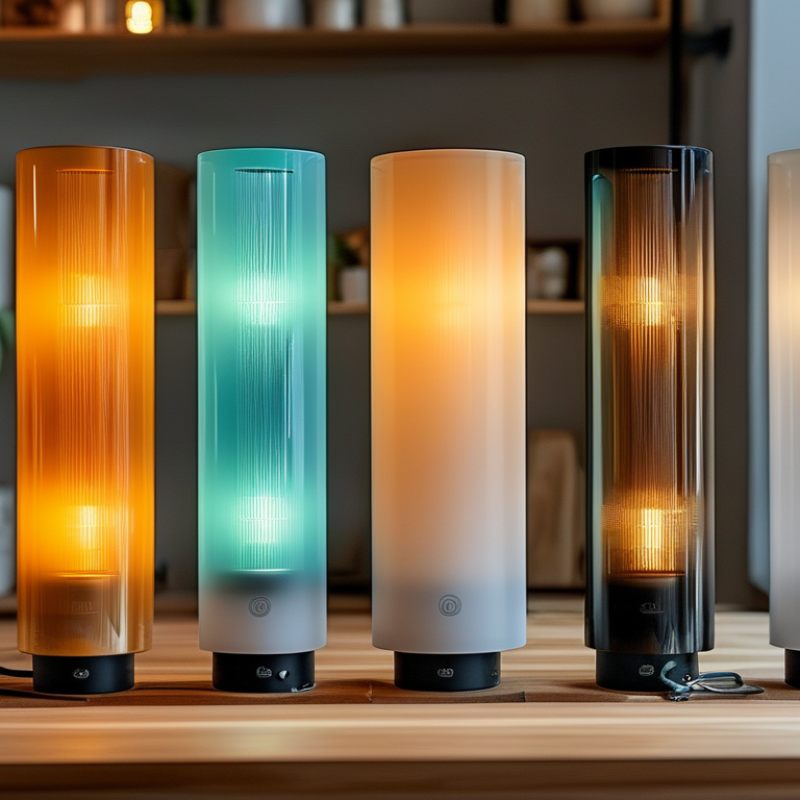
Induction downlights are energy-efficient lighting solutions. Understanding their basics can guide you in choosing the best option for your space. These lights utilize electromagnetic fields to create illumination. They have longer lifespans compared to incandescent bulbs, making them a popular choice.
When selecting induction downlights, consider the brightness level. You’ll want a balance between functionality and ambiance. A dim, cozy atmosphere might be ideal for living areas. Bright lights may be necessary for kitchens or workspaces. Test different options for the right feel.
Tip: Look for models with adjustable brightness. This flexibility can enhance your space. Pay attention to color temperature too. Warm white creates a relaxed mood, while cool white is more stimulating.
Installation is another key factor. Induction lights may require professional assistance. Ensure the height and placement suit your room's design. It’s worth investing in proper installation to avoid future issues.
Tip: Evaluate your ceiling height. That will affect light distribution. If unsure, consult with an expert. They can provide tailored advice based on your specific needs.
Evaluating Your Space Requirements and Layout
When choosing the right induction downlight, evaluating your space is crucial. Consider the size of your room first. A report by the Lighting Research Center highlights that larger spaces need brighter fixtures. For example, a living room typically requires 100-200 lumens per square meter. In contrast, smaller areas like a hallway may only need 50-100 lumens.
Next, focus on the layout of your space. Think about where the light will be installed. Open spaces might benefit from multiple downlights to prevent dark areas. In a compact kitchen, a single well-placed downlight could suffice. The same report indicates that light direction affects ambiance. Placing downlights at varying angles can create a dynamic effect, enhancing the room's visual appeal.
Consider ceiling height as well. Higher ceilings may require more powerful lights to ensure even illumination. An average downlight installed too low can create uncomfortable glare. It’s important to assess your needs accurately. Reflection is key here; consider how users interact with the space. Are there areas that feel too dark or overly bright? Understanding these nuances will lead to more satisfying results.
Selecting the Right Brightness and Color Temperature
Choosing the right brightness and color temperature for induction downlights can greatly affect your space. Different rooms require different lighting. For example, kitchens need bright lights for tasks, while living rooms benefit from softer illumination.
When considering brightness, lumen output is crucial. A higher lumen count means brighter light. For instance, a standard kitchen might require around 5,000 lumens. Meanwhile, a cozy bedroom could thrive with just 1,500 lumens. This balance is essential for comfort and functionality.
Color temperature also plays a vital role. Measured in Kelvins, warmer temperatures (2700K to 3000K) create a cozy atmosphere. Cooler temperatures (4000K to 6000K) are more energizing and suited for workspaces. Be mindful of the ambiance you wish to create. Experiment with different temperatures to find what feels right in your environment. This process can reveal surprising insights about your preferences.
Exploring Energy Efficiency and Lifespan Factors
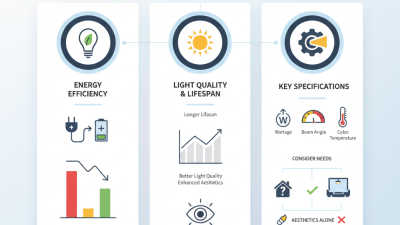
When choosing induction downlights, energy efficiency and lifespan are vital factors. Energy-efficient fixtures help reduce electricity bills. They consume less power while providing the same brightness. This efficiency also benefits the environment through lower carbon footprints. Lifespan is another crucial aspect. A quality downlight can last up to 50,000 hours, outlasting traditional bulbs multiple times. Longer lifespan means fewer replacements, saving money over time.
Tips: Look for downlights with a high lumen output. This ensures adequate brightness for your space. Consider the color temperature too. Warmer tones create a cozy atmosphere, while cooler tones offer a modern feel.
While newer technologies promise great performance, they may not be perfect. Some induction fixtures can flicker or have uneven light distribution. Research user reviews to identify potential issues. Balancing your needs with product capabilities will lead to a better choice. Pay attention to warranties; they reflect manufacturer confidence in their products.
Considering Design and Aesthetic Compatibility
Choosing the best induction downlight involves more than just functionality.
Design and aesthetics play crucial roles in enhancing your space.
According to a report by the American Lighting Association, about 80% of homeowners believe that lighting significantly influences their interior aesthetics.
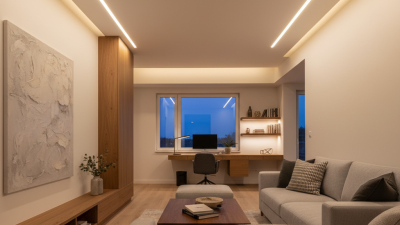
This highlights the importance of aligning your downlight with your overall design vision.
Consider the broader design theme of your space. If the area features modern elements,
sleek downlights with clean lines may be ideal. In contrast, for a more rustic setting,
lights with warm hues and textured finishes can create a cozy ambience.
A study conducted by the Institute of Lighting Professionals shows that incorporating aesthetically pleasing downlights
can increase the perceived value of a space by up to 15%.
Another factor is the size and layout of your room. Larger areas may require multiple downlights for even illumination,
while smaller rooms might benefit from fewer fixtures that focus light strategically.
Balancing these elements is often tricky.
Overly bright lighting can sometimes clash with a soft design theme. This requires careful thought and
sometimes compromises in your choices. Considering these aspects deeply can improve both functionality and visual appeal.

 +86 18968869621
 CONTACT NUMBER