2026 Best Induction Tube Light Options for Global Buyers?
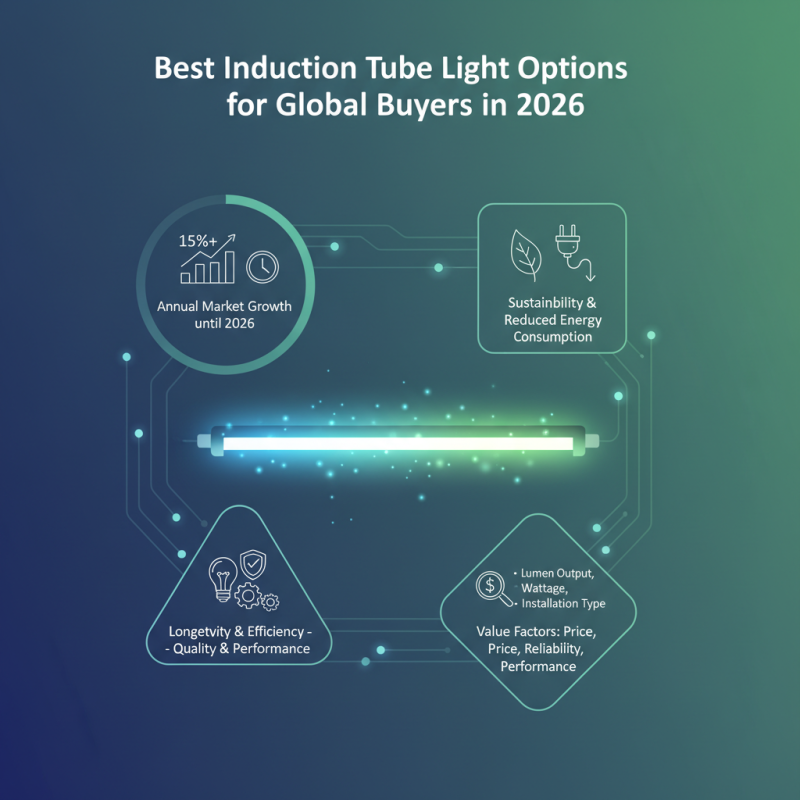
As the demand for energy-efficient lighting increases, the Induction Tube Light market is evolving rapidly. According to a recent report from the International Energy Agency, the induction lighting segment is projected to grow by over 15% annually until 2026. This growth aligns with the global push for sustainability and reduced energy consumption. Induction Tube Lights offer longevity and efficiency, making them a preferred choice among commercial and residential users alike.
Expert in the lighting industry, Dr. Lisa Han, states, "Induction Tube Lights represent a technological leap, combining durability with unparalleled energy savings." She highlights the importance of quality and performance in selecting the best products for diverse applications. Buyers face challenges in navigating through numerous options. It’s crucial to evaluate factors such as lumen output, wattage, and installation type.
As you explore the best Induction Tube Light options for 2026, consider not only the price but also the reliability and performance of the product. The market is filled with choices, yet not all are equally effective or trustworthy. Prioritizing those that meet industry standards will ensure you make a sound investment for your lighting needs.
Top Features to Consider When Choosing Induction Tube Lights
When considering induction tube lights, several features are vital for ensuring optimal performance and energy efficiency. One important aspect is the lumen output. A higher lumen count provides better illumination, making your space more functional and inviting. Look for options that offer adjustable brightness, allowing you to tailor the light to your specific needs.
Another critical feature is the color temperature. This affects not only the look of the space but also the mood it conveys. A warmer temperature can create a cozy atmosphere, while cooler temperatures are best for work environments. It's essential to choose a temperature that fits the intended use of the area.
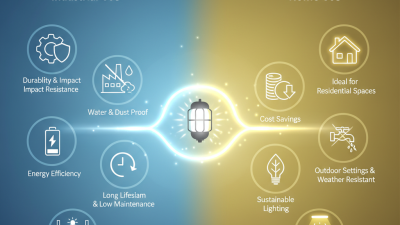
Durability is also a key factor. Induction tube lights should be made from robust materials to withstand various conditions. Water resistance or shockproof designs may be essential for outdoor or industrial settings. Reflective coatings can enhance light distribution but may require regular cleaning. Identifying your priority features can be a challenging task, but it ultimately leads to better lighting choices.
Comparison of Leading Induction Tube Light Brands in 2026
In 2026, the induction tube light market has grown significantly, offering global buyers various options. Many factors influence buyers' decisions. The key is understanding the differences among brands. Buyers want energy efficiency, longevity, and reliable performance. Brands stand out in different areas of expertise.
One common theme is brightness. Some brands focus on delivering powerful illumination. Others prioritize soft, ambient lighting. Additionally, build quality varies. Some products use robust materials while others may cut corners. Critical examination of product specifications can reveal these details.
Pricing is another crucial aspect. Some brands offer high-end features at a steep price, while others provide budget-friendly alternatives. Buyers should weigh the benefits against the costs. Evaluating customer feedback can highlight potential shortcomings, too. Many products may not meet expectations despite attractive marketing claims. Real-world performance can differ from what is advertised. It’s essential to gather insights before making a final choice.
Understanding Energy Efficiency Ratings for Tube Lights
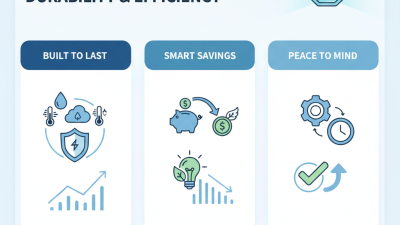
Energy efficiency ratings are crucial when choosing tube lights. These ratings reflect how effectively the light converts energy into illumination. Look for lights with higher lumens per watt. This means they produce more light using less energy. A good rating can significantly reduce electricity costs over time.
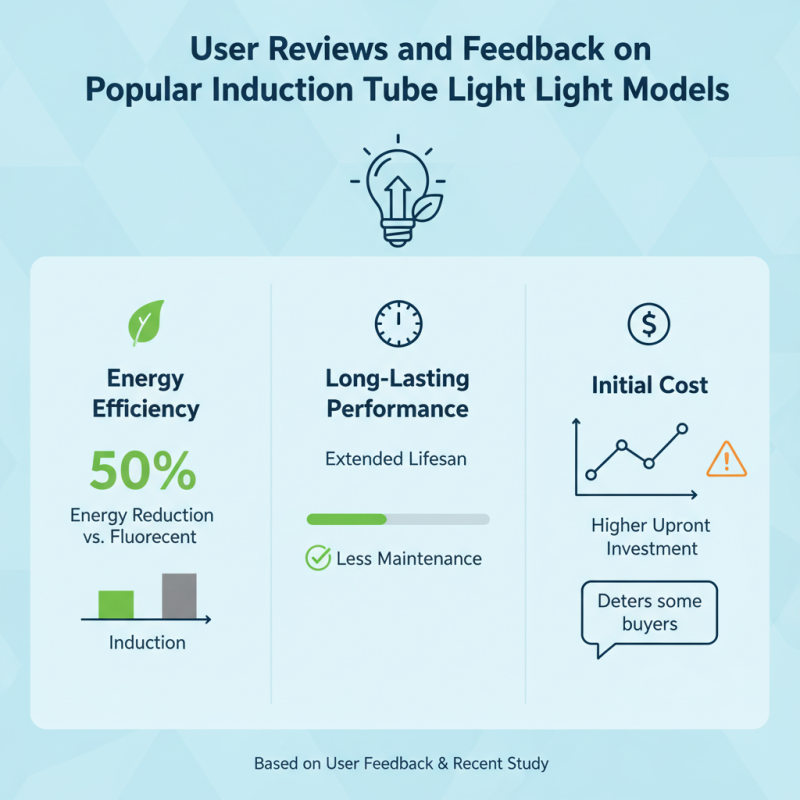
Tips: When shopping, consider the lifetime of the light. Longer-lasting options may have higher upfront costs but can save money in the long run. Pay attention to color temperature as well; it affects the ambiance of a room. Warmer tones create a cozy atmosphere, while cooler tones feel more energizing.
Understanding energy labels can be confusing. Not all manufacturers use the same standards. Some lights might appear efficient but are not reliable or durable. Always check reviews and specifications. Look for certifications that validate performance claims. Take your time to ensure your choice truly meets your needs.
Installation Guidelines for Induction Tube Lighting Solutions
When considering induction tube lighting, proper installation is crucial. Start by selecting a suitable location. Ensure there is adequate support for the fixtures. Induction tubes require a secure fixture for optimal performance. Mount them at the recommended height to achieve the best light distribution. Pay close attention to the ceiling type; this can affect installation methods.
Wiring is another critical aspect. Check the power source before connecting. Use appropriate gauge wire to prevent overheating. Ensure connections are tight and secure. This step often gets overlooked. A loose connection can lead to flickering lights or even failures. It’s vital to follow local electrical codes throughout the process. Hiring a professional is advisable, especially for those unsure about their electrical skills.
After installation, conduct a thorough inspection. Look for any signs of abnormal operation. This includes unusual sounds or flickers. Document any issues to address them promptly. While the installation might seem straightforward, taking shortcuts can lead to problems. Reflect on each step to ensure everything meets safety standards. Observing these guidelines will help ensure a successful induction tube lighting installation.
2026 Best Induction Tube Light Options for Global Buyers
| Model |
Wattage |
Lumen Output |
Color Temperature |
Lifespan |
Installation Type |
| Induction Light A |
30W |
3600 lm |
5000K |
100,000 hours |
Surface Mounted |
| Induction Light B |
40W |
4800 lm |
4000K |
80,000 hours |
Recessed |
| Induction Light C |
50W |
6000 lm |
3000K |
120,000 hours |
Suspended |
| Induction Light D |
60W |
7200 lm |
6000K |
90,000 hours |
Wall Mounted |
| Induction Light E |
70W |
8400 lm |
5000K |
150,000 hours |
Track Mounted |

 +86 18968869621
 CONTACT NUMBER