Why Choose LED High Bay Lights for Warehouses?
Warehouse lighting has a practical job: illuminate pallet labels, forklift routes, loading zones, and high shelves without creating dark gaps. A Led High Bay Light can provide concentrated overhead illumination in spaces with tall ceilings, while modern optics help direct light toward working areas. The right choice depends on more than wattage. Mounting height, aisle width, fixture spacing, color quality, and existing light levels all matter. Small layout mistakes show up quickly on the floor.
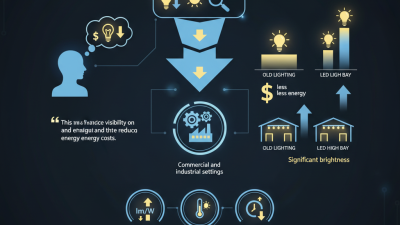
Energy savings deserve careful evaluation. The U.S. Department of Energy’s Energy Saver guidance reports that LEDs use at least 75% less energy and last up to 25 times longer than incandescent lighting. That is a useful benchmark, not a direct comparison with every warehouse’s existing high-intensity discharge system. Actual savings depend on current equipment, operating hours, controls, and maintenance needs. The DOE’s Better Buildings resources also encourage evaluating lighting upgrades within whole-building energy planning. A quick payback estimate can be misleading if it ignores installation costs or uneven illumination. Measure first.
This introduction examines why high-bay LED systems suit warehouse environments, what to assess before upgrading, and where common claims need context. We will look at light distribution, energy use, maintenance, and controls such as occupancy sensors. The aim is practical: brighter, more consistent work areas, with performance verified against the warehouse’s real conditions.
What LED High Bay Lights Are and How They Work
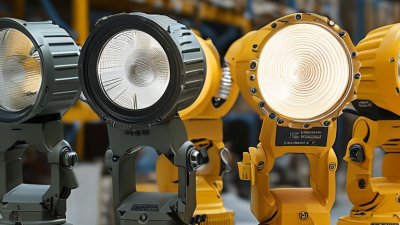
LED high bay lights are fixtures designed for spaces with tall ceilings, often around 20 feet or higher.
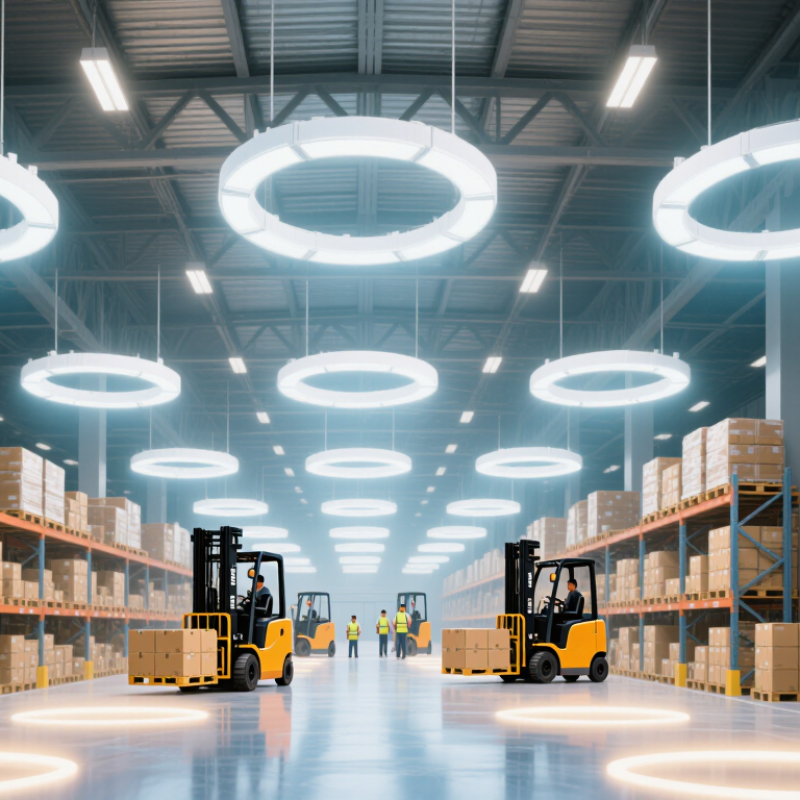
In a warehouse, they hang above aisles, racks, and loading areas, where light must travel a long way without leaving dark patches. Inside each fixture, semiconductor diodes emit light when an electrical current passes through them. A driver converts incoming AC power into controlled DC current for the LEDs. Lenses or reflectors then direct the beam toward the floor and work surfaces.
Simple, but not effortless.
Heat matters. The LEDs produce less waste heat than many older light sources, yet excess heat can still shorten component life. A heat sink moves warmth away from the diodes, while fixture optics shape the light pattern.
The U.S. Department of Energy’s 2019 Energy Savings Forecast estimated that LED lighting could save 569 terawatt-hours of electricity in the United States in 2035, compared with a no-LED scenario. That is a broad lighting-sector estimate, not a warehouse-specific guarantee.
One detail is easy to miss: high lumens per watt do not ensure even aisle lighting. Ceiling height, rack layout, and mounting position all affect what workers actually see. A lighting plan should check those conditions, rather than relying on fixture wattage alone.
Why Warehouses Need Specialized High-Ceiling Lighting
Warehouse ceilings often rise 20 feet or more, so ordinary fixtures may not deliver enough light to work areas. Lighting must reach pallet labels, aisle floors, and loading zones without creating harsh bright spots. That is a different job. LED high bay lights are designed for these mounting heights, with light distributions suited to directing illumination downward. Placement matters as much as output; poorly aligned beams can leave dark gaps between racks. Workers notice those gaps when reading small labels or moving equipment.
Tips: Measure ceiling height and aisle width before selecting a light distribution. Check illumination at floor and shelf level, not only directly beneath fixtures. Dust on lenses can reduce useful light. Pilot one aisle first.
LEDs can use less electricity than many older high-bay light sources, while their long service life may reduce maintenance visits that require lifts. Dimming controls can also adjust light when daylight or occupancy changes, if the warehouse layout supports them. Still, brighter is not automatically better. Reflections from packaging can cause glare, and overly cool light may feel stark during long shifts. I would reassess the layout after installation; warehouse shelving and stored goods can change how light reaches the floor.
How LED High Bays Improve Efficiency, Visibility, and Safety
Why Choose LED High Bay Lights for Warehouses?
In a warehouse, good lighting helps workers read small labels, spot pallet damage, and judge distances between forklifts and racks. LED high bays deliver focused light from high ceilings, reducing dim patches between aisles when fixtures are spaced and aimed well. Better visibility matters. It can support safer movement, though lighting alone cannot prevent accidents.
Efficiency is another practical advantage. The U.S. Department of Energy’s Energy Saver guidance reports that LEDs use at least 75% less energy and last up to 25 times longer than incandescent lighting. That is a broad comparison, not a guaranteed saving against every warehouse’s existing high-intensity discharge system. Actual results depend on fixture output, operating hours, controls, and maintenance. A lighting audit can establish a useful baseline.
LEDs also reach full brightness quickly, which suits spaces where lights switch on and off across shifts or zones. Dimming and occupancy controls may reduce wasted light in low-traffic storage areas. Check the details. Poorly selected optics can create glare on glossy packaging or leave rack faces unevenly lit. A measured layout, with attention to aisle height and work tasks, is more reliable than choosing fixtures by wattage alone.
Key Factors for Selecting LED High Bay Lights
Why Choose LED High Bay Lights for Warehouses?
Key Factors for Selecting LED High Bay Lights
Selecting LED high bay lights starts with the space, not the fixture label. Measure ceiling height, aisle width, rack height, and work surfaces. A 12-meter ceiling needs a different beam pattern from a low storage area. Match light output and beam angle to the layout, then check a lighting plan for even illumination. Dark gaps between racks can hide labels and create awkward work zones. More lumens do not automatically mean better visibility.
Tips: Compare fixture spacing, color rendering, and glare control. Check whether dimming or occupancy sensors suit the warehouse’s operating hours. Confirm the fixture’s environmental rating for dust, moisture, and temperature.
Think about maintenance, too. Long operating hours make energy use and replacement access important. Review the stated efficacy, expected lifetime, and warranty terms, but treat lifetime figures as estimates under specified conditions. A cool white color temperature may help workers distinguish details, though preferences vary. I have seen plans look efficient on paper yet leave shadows beneath tall shelving. That is a useful reminder: validate the layout with a qualified lighting professional, and adjust after a real on-site review.
Installation and Maintenance Considerations for Warehouse Lighting
LED high bay installation starts with the warehouse layout, not the fixture carton. Measure ceiling height, aisle width, and rack positions before choosing beam angles and spacing. A bright floor can still have dark shelf faces. Test one fixture in a representative aisle, then check light levels at floor and picking height. Allow room for lifts and maintenance access. Confirm mounting points can support the fixtures, and have qualified personnel handle electrical connections.
Tips: Clean lenses with a soft cloth. Check for dust buildup, loose fittings, flicker, and damaged wiring. Isolate power before servicing, and follow fixture instructions.
Build maintenance into the lighting plan. Record fixture locations and installation dates, so staff can spot recurring failures. In dusty warehouses, inspect fixtures more often; fine dust can dull output faster than expected. Check sensors and controls too. A sensor blocked by a tall pallet may leave an aisle dim or keep lights on unnecessarily. One detail that is easy to miss: replacement fixtures may not match the original beam pattern. Keep the layout notes, and verify light coverage after repairs. Routine checks help, though they cannot replace a proper lighting assessment.

 +86 18968869621
 CONTACT NUMBER