Top Induction Downlight Suppliers for Global Buyers
Choosing a reliable Induction Downlight supplier requires more than comparing catalog prices. Global buyers must examine performance, manufacturing discipline, documentation, and after-sales support.
A dependable supplier should provide clear photometric data, tested lumen output, beam angles, color temperature options, and expected service life. Product samples should be evaluated in real spaces, such as hotel corridors, retail aisles, and office ceilings. Details matter. Check housing materials, heat dissipation, driver quality, dimming compatibility, and visible flicker under camera testing. These factors can affect comfort, energy use, and maintenance costs.
Experienced suppliers usually explain their quality controls instead of making broad promises. Buyers should request factory audit records, batch inspection procedures, warranty terms, and traceable test reports. Relevant safety and electromagnetic compatibility documentation should match the destination market. Requirements may differ across regions, so one certificate rarely proves universal compliance.
A strong supplier also communicates clearly about minimum order quantities, lead times, packaging, spare parts, and replacement procedures. Stable production matters when a project requires hundreds of identical fittings months later. Some suppliers offer impressive samples but struggle with consistency. That weakness deserves attention.
This guide reviews leading Induction Downlight suppliers for global buyers through practical purchasing criteria. It considers product reliability, customization capability, export experience, technical assistance, and transparent communication. The ranking should not replace independent verification. Prices, certifications, and factory conditions can change. Buyers should confirm current evidence before signing contracts or approving large orders.
What Induction Downlights Are and How They Work
Induction downlights are recessed fixtures that produce light without traditional electrodes. They use a sealed lamp, an electronic generator, and a phosphor coating. An electromagnetic field excites the gas inside the lamp. The excited gas produces ultraviolet energy. The phosphor converts that energy into visible light. Unlike conventional fluorescent lamps, this design removes electrode wear. Simple in principle.
Inside the fixture, the generator creates a high-frequency field around the lamp chamber. The chamber then becomes a low-pressure plasma source. A reflector directs light downward through a lens or diffuser. The housing must control heat around the generator and lamp. Poor thermal design can shorten system life. Induction lighting also needs warm-up time, so it may not feel instant. That detail is sometimes overlooked. Field experience shows that the generator can fail before the lamp itself.
Global buyers should request photometric files, color-temperature data, flicker measurements, and thermal test records.
Ask suppliers about replacement generators, operating temperature ranges, and warranty conditions. Check whether the stated lifespan covers the complete fixture. It may cover only the lamp module. One practical warning: published efficiency figures may differ from installed results. Ceiling height, reflector shape, voltage stability, and dust affect performance. A small pilot installation can reveal these differences before larger purchasing decisions. Reliable sourcing depends on verified samples, clear documentation, and realistic maintenance planning.
Key Features to Compare When Selecting a Supplier
Top Induction Downlight Suppliers for Global Buyers
Key Features to Compare When Selecting a Supplier
Selecting an induction downlight supplier requires more than checking unit prices. Compare light output, measured in lumens, with actual power consumption and heat performance. A reliable supplier should provide test data for efficiency, color temperature, CRI, beam angle, and flicker control. Ask whether the housing supports the required ceiling cutout and insulation conditions. Small details matter. A poorly matched driver can cause visible flicker, noise, or early failure.
Supplier reliability also depends on production control and documentation. Request product samples before placing a large order. Check consistency between samples and mass production, especially in beam color and finish. Review warranty terms, inspection procedures, packaging strength, and replacement processes. Certifications should match your target market and apply to the exact product model. Some suppliers present general certificates, which may not prove product compliance. This is an easy detail to overlook.
Tips: Ask for an independent test report, not only a product brochure. Confirm minimum order quantities, lead times, spare-part availability, and communication response times. A supplier that answers technical questions clearly is often easier to manage later. Still, no supplier is perfect. Even strong factories can experience material delays or inconsistent batches. Build inspection checkpoints into the purchase plan, and leave room for realistic delivery changes.
Top Induction Downlight Suppliers for Global Buyers
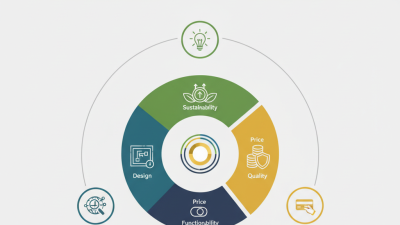
Key features to compare when selecting a supplier. The chart presents a practical 100-point buyer evaluation framework for commercial lighting projects.
Recommended priorities: product performance and compliance should be assessed alongside total cost, supply reliability, customization capability, and after-sales support.
Certification, Quality Control, and Export Compliance
Global buyers should assess induction downlight suppliers through certification, factory controls, and export documentation. A polished sample proves little. Request valid test reports, product labels, and traceable batch records before approving production. Relevant checks may include IEC 60598 safety requirements, IEC 62471 photobiological safety, EMC testing, and restricted-substance declarations.
The International Energy Agency reports that lighting consumes about 15% of global electricity. Efficiency claims therefore need measured evidence, not attractive brochures. Ask for integrating-sphere reports showing lumen output, power consumption, color consistency, and power factor. Verify thermal performance at the actual ceiling temperature.
Small details matter. I have seen specifications change between samples and mass production, so independent pre-shipment testing remains worthwhile.
Quality control
Quality control should cover incoming components, driver testing, assembly inspection, aging tests, and carton protection. Keep photos and serial records.
Export compliance
Export compliance also requires accurate HS classification, country-of-origin information, safety marks, customs invoices, and destination-specific declarations.
Requirements differ between markets. A certificate alone is not proof. Buyers should confirm report numbers directly with accredited laboratories and review renewal dates. Perfect paperwork is rare, but unexplained gaps deserve a pause.
Supplier Comparison Criteria for Different Project Needs
Top Induction Downlight Suppliers for Global Buyers
Supplier comparison should begin with the project, not the catalog. A warehouse may need high lumen output, wide beams, and strong thermal control. A hotel corridor may prioritize low glare, warm color temperature, and quiet dimming. Retail spaces often require accurate color rendering and flexible beam angles. Compare lumen maintenance, CRI, CCT options, cutout sizes, IP ratings, and driver compatibility. These details affect installation time and long-term performance.
Request photometric files, test reports, samples, and clear warranty terms. A reliable supplier should explain heat management, expected service life, voltage options, and replacement procedures. Check whether the supplier can support local certification requirements and provide consistent production batches. Lead time also matters. A technically excellent product is still unsuitable if critical fixtures arrive after the construction schedule.
Tips: Test one sample in the actual ceiling before placing a large order. Measure glare at standing height, inspect the trim finish, and test dimming with your intended control system. I once focused too heavily on price and overlooked the ceiling cutout. The installation became slower than expected. That mistake showed me that supplier comparison must include labor, packaging, spare parts, and after-sales communication. A checklist helps, but it should not replace practical testing.

 +86 18968869621
 CONTACT NUMBER