How to Choose the Best Explosion Proof Lights for Your Needs?
When selecting the best Explosion Proof Lights, understanding compliance and safety is crucial. According to the National Fire Protection Association (NFPA), approximately 19,000 fires occur in hazardous locations each year. The right lighting can prevent accidents and protect lives.
Explosion Proof Lights are designed to withstand volatile environments, including oil rigs and chemical plants. Their design meets strict standards, such as those set by Underwriters Laboratories (UL) and the International Electrotechnical Commission (IEC). However, not all products guarantee safety. It is essential to consider certifications and the specific environmental conditions where the lights will be used.
Choosing the incorrect lighting could lead to severe consequences. Industrial safety reports indicate that improper lighting contributes to workplace accidents in hazardous areas. Quality Explosion Proof Lights can not only enhance visibility but also reduce risks. Therefore, thorough research and consideration of technical specifications will ensure you make an informed decision.
Understanding the Importance of Explosion-Proof Lighting in Hazardous Areas
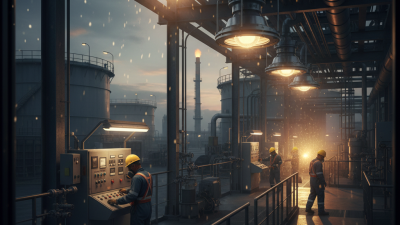
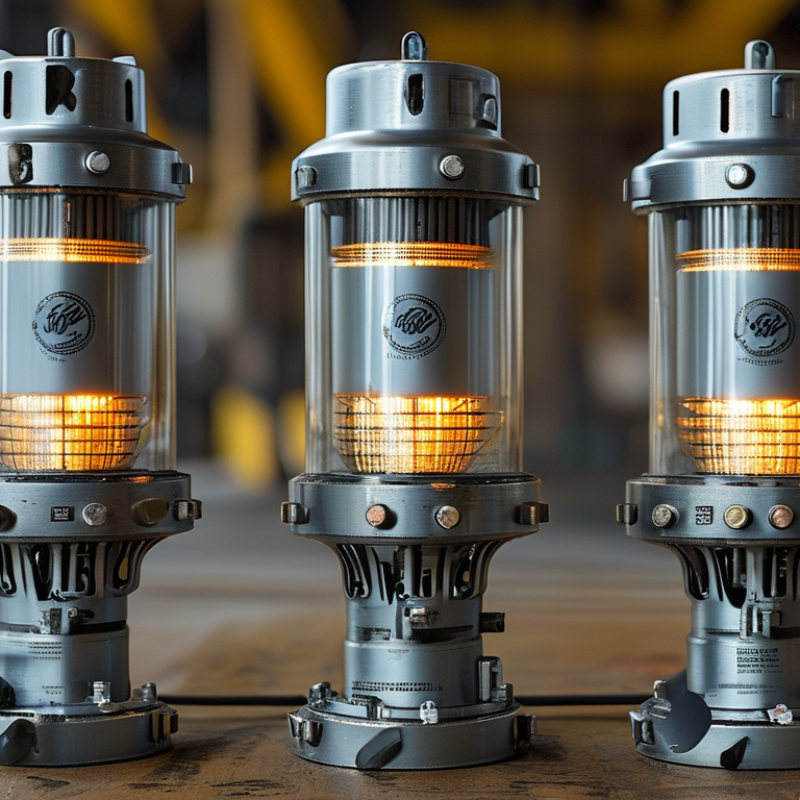
Explosion-proof lighting is crucial in hazardous areas. These lights prevent fires and explosions caused by flammable gases or dust. Proper lighting enhances visibility, ensuring a safe working environment. Workers need to see clearly in potentially dangerous locations. Without adequate lighting, accidents may happen.
Choosing the right explosion-proof lights involves understanding their ratings. Each light has specific classifications based on the environment. For example, Zone 1 indicates a higher risk than Zone 2. Selecting lights for the right zone is vital. This ensures safety and compliance with regulations.
Installation also plays a significant role. Lights must be installed according to guidelines. Improper installation can lead to risks. Equally, maintaining these lights is essential. Regular checks help identify wear and tear. Keeping explosion-proof lighting functional is a responsibility that cannot be overlooked. There is always room for improvement in safety practices.
Identifying Different Types of Explosion-Proof Lights and Their Applications
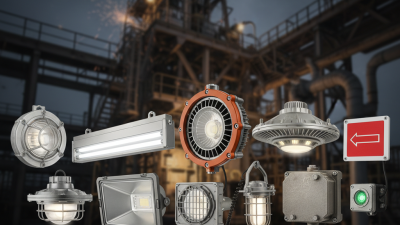
When selecting explosion-proof lights, understanding the different types is crucial. There are general options like LED and fluorescent lights designed for hazardous environments. LED lights are energy-efficient and long-lasting, making them a popular choice. In contrast, fluorescent lights may require more frequent replacement, which can be a hassle in harsh conditions.
Applications for these lights vary significantly. Industrial sites often need something rugged. In chemical plants, specific ratings identify safe lighting options. This ensures safety from igniting flammable gases. Choosing the right type requires careful consideration of the environment and required certifications. Not all products are equal; some may not meet industrial standards.
Another aspect to consider is the placement of these lights. Poor positioning might hinder visibility. It’s essential to conduct a thorough risk assessment before installation. One challenge is the frequent changes in regulations, which can complicate decision-making. It’s wise to stay informed about the latest safety requirements. Failure to do so can lead to safety issues, and that's an area needing reflection.
Choosing the Best Explosion Proof Lights
This chart illustrates the brightness levels (in Lumens) of various types of explosion-proof lights, which can help you decide on the best option according to your needs.
Key Factors to Consider When Selecting Explosion-Proof Lights
Choosing the right explosion-proof lights is essential for safety in hazardous environments. One key factor to consider is the certification rating. Look for lights that meet stringent industry standards. These ratings ensure that the lights can withstand potential explosions and extreme conditions. It’s vital to verify these certifications before making a purchase.
Another important factor is the light output. The brightness needs to be adequate for the space. Insufficient lighting can lead to dangerous situations. Evaluate the lumen output and the light’s beam angle. Wider angles can illuminate larger areas but may reduce intensity. In some scenarios, this compromise can affect safety.
Consider the power source as well. Some explosion-proof lights operate on batteries while others require direct electrical connections. Battery-powered options provide flexibility but may also require regular maintenance. Think about how often the lights will be used and the location's accessibility. Reflecting on these aspects ensures the lights chosen will meet operational needs efficiently.
Evaluating Safety Ratings and Certifications for Explosion-Proof Equipment
Choosing the right explosion-proof lights is crucial for safety in hazardous environments. Evaluating safety ratings and certifications helps ensure compliance with industry standards. Look for equipment that meets ANSI, IEC, or ATEX standards. These certifications indicate rigorous testing against explosions and electrical hazards. Safety ratings verify that lights are suitable for specific environments, such as oil rigs or chemical plants.
Understanding the specifics of these ratings is essential. For instance, an IP rating indicates the level of protection against dust and water. Higher ratings offer more reliable performance. Beyond these standards, manufacturers often provide data sheets. These documents detail testing methods and environmental tolerances. It’s vital to review them, as assumptions can lead to dangerous oversights.
It's tempting to overlook minor details, but they matter significantly. Even small discrepancies in installation or placement can affect safety. Regular maintenance checks are also necessary. Equipment can degrade over time. Be skeptical about claims of durability without evidence. Sound decision-making is grounded in thorough research and continuous reflection on safety practices.
How to Choose the Best Explosion Proof Lights for Your Needs?
| Feature |
Description |
Safety Ratings |
Certifications |
| Material |
Durable and corrosion-resistant material to withstand harsh conditions. |
ATEX, Class I, II, III |
IECEx, UL844 |
| Wattage |
Varies based on application; choose based on required luminosity. |
Explosion-proof for hazardous locations |
C-UL-US |
| Lighting Type |
LED, Halogen, or Fluorescent, based on energy efficiency needs. |
IP66, NEMA 4X |
CSA, TUV |
| Beam Angle |
Wide or narrow angle depending on area coverage needs. |
Classified for zone applications |
CE, RoHS |
| Mounting Options |
Flush mount, pendant mount, or other suitable options. |
Safe for use in designated areas |
ISO 9001 |
Assessing Installation and Maintenance Requirements for Your Lighting Choice
When selecting explosion-proof lights, understanding installation and maintenance is paramount. Different environments have varying requirements. Proper planning can ensure effective deployment and operation.
Tips: Assess the location. Identify potential hazards. Are there areas with high dust or moisture? These factors influence installation complexity. Ensure that fixtures meet safety standards. Compliance is non-negotiable.
Maintenance is another critical aspect. Regular checks prolong lifespan and ensure safety. Schedule inspections to catch issues early. Light bulbs should be replaced as per manufacturer recommendations. Never compromise on quality, even if it means higher costs.
Evaluate whether your team has the necessary skills for installation. Sometimes, hiring professionals may be the best choice. Improper installation can lead to failures, posing serious risks. A well-maintained fixture can become a liability if neglected. Taking these factors into account will guide you toward making informed decisions.

 +86 18968869621
 CONTACT NUMBER