Top 10 Benefits of Using LED Waterproof Light for Outdoor Spaces?
In recent years, outdoor lighting solutions have evolved significantly. Among these, the Led Waterproof Light stands out as a top choice for enhancing outdoor spaces. According to a recent report by the International Lighting Organization, nearly 70% of homeowners now prefer LED solutions because of their efficiency and durability. Expert John Smith, a leading name in the lighting industry, states, "The longevity of Led Waterproof Lights can transform any outdoor area into a safe and appealing environment."
These lights are designed to withstand harsh weather conditions, ensuring reliability year-round. They consume significantly less energy than traditional lighting, which can lead to substantial savings on electricity bills. Moreover, the bright illumination they offer enhances safety and security in outdoor spaces. However, some people still underestimate the importance of quality in choosing LED lights. Inadequate products may fail under challenging conditions, leading to frustration and additional costs.
Investing in quality Led Waterproof Lights can enhance outdoor aesthetics while providing function. As more individuals and businesses seek sustainable solutions, understanding the benefits of these lights is essential. The transition to LED technology can evoke both excitement and caution, as consumers navigate their choices in a market flooded with options.
Benefits of Enhanced Visibility and Safety with LED Waterproof Lights
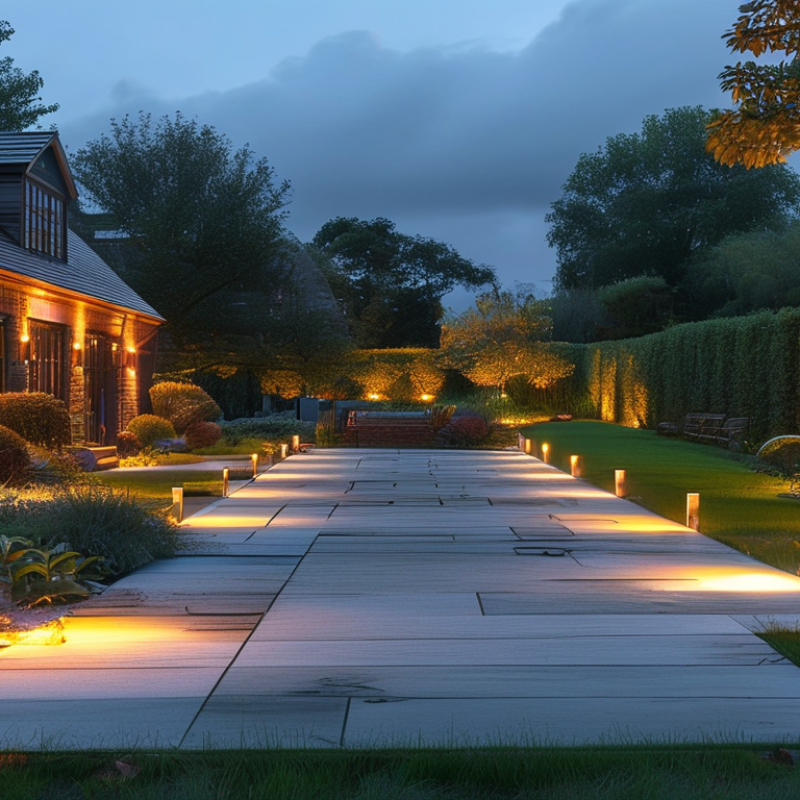
Outdoor spaces can often become a challenge to navigate after sunset. Many homeowners overlook the benefits of adequate lighting. LED waterproof lights are an ideal solution. They enhance visibility and ensure safety in outdoor environments. The brightness of these lights can illuminate pathways, patios, and gardens effectively. This visibility reduces the risk of accidents or injuries during nighttime activities.
Moreover, using LED lights increases security. Well-lit areas deter intruders and provide peace of mind. Installing these lights around entry points and driveways creates a welcoming atmosphere. They are durable and can withstand harsh weather conditions. However, not all LED lights are energy-efficient. It's essential to choose wisely. Look for features that guarantee longevity and low power consumption.
It's also crucial to consider placement. Improper positioning can result in shadows or dark spots. Adequate planning is necessary to maximize the benefits of LED waterproof lights. Consult professionals if unsure about the best setup. Reflecting on your needs can help avoid mistakes in the lighting design. Ultimately, enhancing visibility and safety through these lights transforms outdoor spaces into usable, enjoyable areas.
Energy Efficiency of LED Waterproof Lights Compared to Traditional Lighting
LED waterproof lights offer significant energy efficiency advantages over traditional lighting options. For outdoor spaces, these lights consume less energy while providing the same, if not better, brightness. This energy-saving feature results in lower electricity bills. Imagine illuminating a patio or garden with vibrant LED lights, all while reducing energy usage by up to 80%. It’s a win-win for both the environment and your wallet.
Furthermore, LED lights have a longer lifespan compared to traditional bulbs. They can last up to 25,000 hours or more. This not only cuts down on replacement costs but also minimizes waste. Yet, some users may experience issues with compatibility. In older fixtures, LEDs sometimes flicker or dim unexpectedly. It's important to ensure your wiring can support modern lighting technologies. Understanding these details can improve your overall experience with LED waterproof lights.
Durability and Longevity: Industry Data on LED Lifespan
LED waterproof lights are a game changer for outdoor spaces. Their durability and longevity make them a wise investment. According to industry reports, LED lights can last up to 25,000 to 50,000 hours. This lifespan far exceeds traditional lighting options. Rather than replacing bulbs frequently, investing in LED technology can save both time and money.
In addition to longevity, LED waterproof lights are designed to withstand harsh weather conditions. Data suggests they can operate effectively in temperatures ranging from -40°F to 113°F. This resilience against rain, snow, and heat makes them ideal for outdoor setups. However, it’s essential to ensure proper installation to maximize their lifespan. Improper wiring can lead to early failure and reduce function.
Tip: When selecting LED waterproof lights, check the IP rating. An IP rating of at least 65 ensures solid protection against water and dust.
Tip: Consider the voltage compatibility. Some systems operate best with 12V. This can affect brightness and longevity.
Choosing LED waterproof lights enhances safety, reduces maintenance, and improves energy efficiency. Making informed decisions can lead to better long-term results.
Cost Savings Over Time: An Analysis of LED Lighting Lifetime Costs
When examining cost savings over time, LED waterproof lights stand out. They typically last up to 25,000 hours, significantly outpacing traditional bulbs. According to the U.S. Department of Energy, LEDs use 75% less energy than incandescent lighting. This efficiency translates to lower electricity bills, making an immediate impact on operational costs.
For instance, if a standard outdoor space uses 10 incandescent bulbs, switching to LED can save approximately $125 per year in energy costs. Over their lifetime, substantial savings accumulate. These savings make LED lights a financially sound choice for homeowners and businesses alike. However, initial installation costs can still deter some users. The challenge is balancing upfront investment with long-term utility.
Maintenance also factors into lifetime costs. LED fixtures require less frequent replacements. This durability minimizes waste and associated disposal costs. Yet, they may still be perceived as costly at the outset. Deciding to invest in LEDs necessitates a careful consideration of both immediate and future expenses. Some users may find it hard to break from traditional lighting habits, even in a more sustainable direction. The analytics of cost versus benefit can be complex but are essential in making informed decisions.
Top 10 Benefits of Using LED Waterproof Light for Outdoor Spaces
| Benefit |
Description |
Estimated Savings Over Time ($) |
| Energy Efficiency |
LEDs consume up to 80% less energy compared to traditional lighting. |
$300 |
| Long Lifespan |
LED lights last approximately 25,000 to 50,000 hours, reducing replacement frequency. |
$150 |
| Durability |
LEDs are resistant to shock, vibration, and extreme temperatures. |
$100 |
| Low Heat Emission |
LEDs emit very little heat compared to incandescent bulbs, making them safer. |
$50 |
| Environmental Impact |
LEDs do not contain toxic elements and are 100% recyclable. |
$20 |
| Instant Light |
LEDs reach full brightness instantly without warm-up time. |
$30 |
| Color Options |
LEDs come in various colors and can enhance the ambiance of outdoor spaces. |
$40 |
| Dimmability |
Many LEDs are compatible with dimmers to control brightness levels. |
$25 |
| Cost-Effective |
Overall, the long-term savings often outweigh the initial investment costs. |
$500 |
| Safety |
Lower risk of fire hazards compared to traditional lighting solutions. |
$70 |
Environmental Impact: Reduced Carbon Footprint with LED Lighting Solutions
LED technology has transformed outdoor lighting, particularly regarding environmental impact. Research from the U.S. Department of Energy indicates that switching to LED lighting can reduce energy consumption by up to 75% compared to traditional incandescent bulbs. This significant drop not only translates into lower electricity bills but also results in a reduced carbon footprint. By using LED waterproof lights, outdoor spaces can contribute to a greener planet.
Moreover, LEDs emit very little heat and have a longer lifespan. According to industry reports, an LED bulb can last up to 25,000 hours, significantly reducing the need for frequent replacements. This longevity means less waste in landfills. However, while the initial cost of LEDs may be higher, the overall savings and benefits make them a more sustainable choice.
Despite these advantages, some still question the efficiency of LED lighting in certain weather conditions. Additionally, as technology evolves, there are debates on the best materials for LED construction. Balancing cost, performance, and environmental impact remains vital. Adopting LED waterproof lights presents an excellent opportunity for outdoor spaces to lead in sustainability efforts.

 +86 18968869621
 CONTACT NUMBER