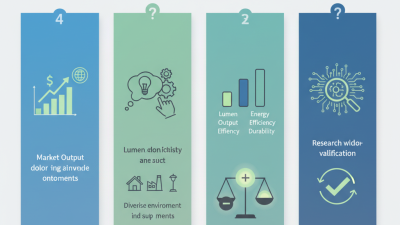
What are the Benefits of Induction Triple Proof Light?
Induction Triple Proof Light has emerged as a reliable choice for various settings. Its innovative design ensures durability and efficiency. Users appreciate its ability to withstand harsh environments, making it a popular option in industrial applications.
This lighting solution boasts three key protective features: waterproof, dustproof, and explosion-proof. These attributes enhance its lifespan significantly. Facilities that require robust lighting systems often turn to Induction Triple Proof Light for peace of mind.
However, potential buyers should consider the installation and maintenance aspects. Installing this lighting can be complex, requiring professional assistance. While it offers many benefits, ensuring proper setup is crucial for optimal performance. Reflecting on these points can help users make informed decisions about adopting this advanced lighting solution.
Benefits of Induction Triple Proof Light in Industrial Applications
Induction triple proof lights have emerged as essential tools in industrial settings. Their ability to withstand harsh environments makes them suitable for factories, warehouses, and outdoor facilities. Research shows that these lights can operate effectively in extreme temperatures, ranging from -40°C to 60°C. This durability contributes significantly to safety and efficiency.
In terms of energy savings, induction lighting is known for its longevity. Some reports indicate that induction lights can last up to 100,000 hours. This minimizes the need for frequent replacements, reducing both maintenance costs and downtime. Additionally, they emit bright, high-quality light, improving visibility in workspaces where precision is crucial. Overall, enhancing productivity proves vital in competitive industries.
While induction triple proof lights are efficient, challenges remain. Initial installation costs can be higher than traditional lighting. Some facilities may have compatibility issues with existing electrical systems. These factors necessitate careful planning and consideration, but the potential benefits often outweigh these challenges. Understanding the long-term advantages is crucial for decision-making in industrial applications.
Benefits of Induction Triple Proof Light in Industrial Applications
Energy Efficiency Metrics of Induction Triple Proof Light Systems
Induction triple proof light systems are gaining popularity due to their impressive energy efficiency. These systems typically boast an energy efficiency of around 90%, which significantly reduces operational costs. According to a report by the U.S. Department of Energy, energy-efficient lighting can save up to 75% compared to traditional options.
Moreover, these induction lights have a lifespan of up to 100,000 hours, minimizing the need for frequent replacements. This durability not only cuts costs but also reduces waste. The ISO 50001 energy management standard emphasizes the importance of optimizing energy performance in lighting systems. Embracing these metrics is crucial for businesses aiming to improve their sustainability efforts.
**Tip:** Consider auditing your current lighting setup to uncover potential savings. You may find that switching to induction lighting can yield substantial financial returns.
While the initial investment is higher, the long-term savings often justify the cost. Some organizations might struggle to adapt due to this upfront expense. Balancing immediate costs with future benefits is essential for decision-making. Regular evaluations can help businesses align their energy strategies more effectively.
Benefits of Induction Triple Proof Light
| Benefit |
Description |
Energy Efficiency Metric |
| Long Lifespan |
Induction lights typically last up to 100,000 hours, reducing replacement frequency. |
80% longer than traditional lighting |
| Energy Savings |
Induction lighting uses less wattage compared to incandescent and fluorescent lights, leading to lower energy bills. |
Up to 50% less energy consumption |
| Low Heat Emission |
Produces minimal heat, improving the overall temperature regulation in the environment. |
Heat output reduction by 80% |
| Environmental Impact |
No toxic materials used, making it a safer choice for the environment. |
100% recyclable components |
| Improved Light Quality |
Provides bright, clear light without flickering, enhancing visibility. |
CRI > 80 |
Longevity and Maintenance Advantages of Induction Triple Proof Lighting
Induction triple proof lighting offers remarkable longevity and maintenance benefits. These lights are built to withstand harsh environments, making them ideal for outdoor and industrial use. Their robust design resists moisture, dust, and impact, which often leads to fewer replacements. This durability translates into fewer maintenance tasks for facility managers.
The average lifespan of induction lights can exceed 100,000 hours. This longevity means less frequent bulb changes, translating to cost savings. Regular maintenance on traditional lighting can be costly and time-consuming. With induction lighting, the reduced frequency of intervention is an advantage in both time and resource management.
Tips: Ensure proper initial installation. It greatly affects longevity. Also, consider periodic cleaning of fixtures. Dust can reduce efficiency over time. Finally, evaluate your lighting needs regularly. Adapting to changing conditions can enhance performance. Remember, while induction lights are durable, they aren’t invincible—monitoring their efficiency is essential for maintaining optimal functionality.
Safety Features of Induction Triple Proof Lighting in Hazardous Environments
Induction triple proof lighting is essential in hazardous environments. These lights are designed to withstand extreme conditions. They provide excellent protection against dust, moisture, and explosive gases. This durability enhances safety in areas like factories, oil rigs, and mines. Workers need reliable lighting to perform tasks. Induction lights offer a long lifespan, reducing the need for frequent replacements.
The safety features of induction triple proof lighting cannot be overlooked. They are built to ensure high resistance to impact and corrosion. This means they remain functional in tough environments. Bright illumination is crucial for protecting workers from accidents. The lights also produce less heat, minimizing fire risks. However, there is always room for improvement. Manufacturers need to ensure consistent performance across all products. Testing in real-world settings can identify weaknesses. Regular assessments can help enhance the safety features further.
Understanding how these lights operate is important. They work efficiently while consuming less energy. This helps reduce costs for businesses. Reliable lighting can lead to fewer workplace incidents. However, it's critical to continually evaluate and improve these systems. Feedback from users can inform better design choices. Enhanced safety measures can only be achieved through proactive maintenance and innovation.
Environmental Impact and Sustainability of Induction Triple Proof Lights
Induction triple proof lights are designed for tough environments. Their rugged construction makes them ideal for hazardous areas. This technology not only enhances safety but also supports sustainability efforts. Using induction lighting reduces waste by having a longer lifespan than traditional options.
The environmental impact of these lights is notable. They consume less energy, which results in lower carbon emissions. This is essential in our fight against climate change. Replacing outdated lighting technologies with induction options can significantly decrease electricity consumption. However, it is crucial to think about their disposal at the end of life. Improper disposal could lead to environmental harm.
While induction triple proof lights offer many benefits, challenges remain. The initial costs may deter some users. Education on long-term savings is important. Many still struggle with understanding energy-efficient technology. This knowledge gap can hinder widespread adoption. Addressing these concerns will require ongoing discussion and information sharing within communities.

 +86 18968869621
 CONTACT NUMBER