How to Choose the Best Induction Tube Light for Your Needs?
Choosing the right Induction Tube Light can be a daunting task. With numerous options available, how can you ensure the best fit for your needs? According to lighting expert Dr. Emily Carter, "Understanding your specific requirements is key to selecting the ideal Induction Tube Light." This highlights the importance of personalization in your choice.
Induction Tube Lights offer energy efficiency and longevity. However, not all models are created equal. Key factors like brightness, color temperature, and installation type can greatly influence your experience. With the rise of eco-friendly lighting options, making an informed decision is crucial.
Yet, even with the best information, many consumers struggle. It’s easy to feel overwhelmed by features and specifications. Some may find themselves regretting a hasty decision after installation. Balancing personal requirements and technical details can lead to reflective insights. The journey to finding the perfect Induction Tube Light is not just about purchasing; it’s about making a choice that lasts.
Understanding Induction Tube Lights: Basics and Benefits
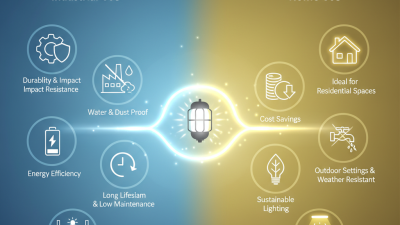
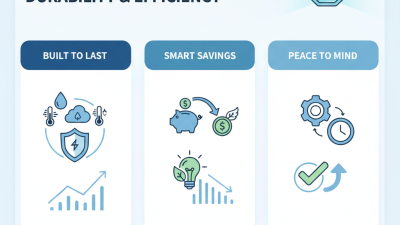
Induction tube lights are becoming popular options for various lighting needs. They use electromagnetic energy to illuminate spaces efficiently. A significant benefit is their longevity. Data reveals these lights can last up to 50,000 hours. This outperforms traditional lighting options, which may require frequent replacements.
Energy efficiency is another key benefit. Induction tube lights consume 30% less energy than standard fluorescent tubes. The reduced electricity usage directly translates into lower utility bills. For businesses, this represents substantial savings over time, contributing to an improved bottom line. Furthermore, the lights emit a constant light output, resulting in less flicker.
Understanding the technology behind induction tube lights is vital. Their operation involves a unique induction process that ensures a high lumen output. This leads to enhanced visibility and safety in workplaces. However, potential downsides exist. Initial setup costs might be higher compared to other lighting options. It's essential to weigh these factors carefully. An informed choice can lead to effective lighting solutions tailored to individual needs.
Induction Tube Light Features Comparison
Key Factors to Consider When Selecting Induction Tube Lights
When selecting the best induction tube light, several key factors play a crucial role. One important aspect is brightness. You should measure the lumen output to ensure the light meets your specific needs. Too dim, and it may not illuminate your space effectively; too bright, and it may cause glare. The right balance is essential.
Another significant factor is energy efficiency. Induction lighting is known for its long lifespan and low energy consumption. Check the wattage and expected lifespan of the tube. A high-quality light can last up to 100,000 hours, reducing replacement costs. This feature is appealing to both businesses and homeowners looking to save on utility bills.
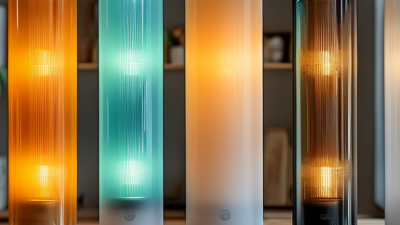
It's also essential to consider the color temperature. Different environments require varied lighting tones. For instance, a cooler light works well in commercial settings, while warmer tones are preferable in residential areas. Understanding the purpose of the space can help you decide on the right hue. Even with all these factors, personal preferences and individual needs will ultimately guide your choice.
Comparing Different Types of Induction Tube Lights Available
Induction tube lights have gained popularity for their energy efficiency and long lifespan. When comparing different types, it's crucial to understand their specific applications. For example, some induction lights are designed for industrial settings, while others suit commercial spaces. A study by the U.S. Department of Energy found that induction lighting can provide up to 50% energy savings compared to traditional fluorescent lights.
There are two main types of induction tube lights: single-ended and double-ended. Single-ended lights offer easy installation, requiring only one end of the fixture to be wired. However, their efficiency may not match double-ended types. Double-ended induction tubes utilize both ends, which can enhance performance but complicate installation. Industry tests show that double-ended options often produce better lumen output and longer durability, averaging over 100,000 hours.
It’s essential to consider your specific needs when choosing among these options. If you prioritize ease of installation, single-ended might work best. However, if longevity and efficiency are your main concerns, you might need to adapt your setup for double-ended lights. Keep in mind that cost-effectiveness varies by usage; higher upfront investment can lead to greater savings over time. Thus, reflect on your unique environment and energy goals before making a decision.
How to Choose the Best Induction Tube Light for Your Needs?
| Type of Induction Tube Light |
Wattage |
Lumen Output |
Color Temperature (K) |
Average Lifespan (Hours) |
Energy Efficiency (lm/W) |
| Standard Induction Tube Light |
18W |
2100 lm |
4000K |
50,000 |
117 lm/W |
| High Output Induction Tube Light |
36W |
4500 lm |
5000K |
60,000 |
125 lm/W |
| Premium Induction Tube Light |
24W |
2800 lm |
3000K |
70,000 |
117 lm/W |
| Smart Induction Tube Light |
20W |
2200 lm |
3500K |
50,000 |
110 lm/W |
Assessing Brightness and Color Temperature for Your Needs
When selecting an induction tube light, brightness and color temperature play crucial roles in meeting your specific needs. Brightness is typically measured in lumens. A higher lumen count means a brighter light. Consider the room size when making your decision. In larger spaces, you may need lights with higher lumens to ensure sufficient illumination. Conversely, smaller rooms may require less intense lighting, as excessive brightness can lead to discomfort. Finding a balance is essential, as overly bright lights can cause eye strain.
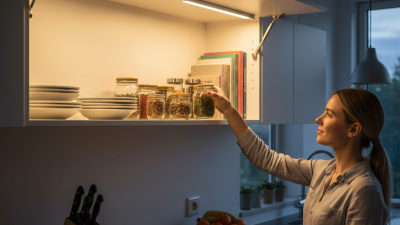
Color temperature, measured in Kelvin, affects the ambiance of a space. Warmer temperatures range from 2700K to 3000K and create a cozy atmosphere, ideal for living rooms and bedrooms. Cooler temperatures, like 4000K to 5000K, are better suited for workspaces or kitchens. They enhance focus and productivity. However, this is subjective. Some people might prefer warm tones even in an office, while others find cool lights energizing. Testing different options can help you assess what feels right.
Keep in mind that your choices might reflect personal preferences rather than strict guidelines. The light you find calming may not suit someone else’s taste. Experimentation is key. Allowing for adjustments in lighting can create a more customized experience. Be open to implementing changes based on your needs over time.
Evaluating Energy Efficiency and Lifespan of Induction Tube Lights
When selecting an induction tube light, energy efficiency and lifespan are critical factors. Induction tube lights offer significant advantages over traditional lighting solutions. They consume less electricity and have a longer lifespan, which makes them both eco-friendly and cost-effective. The average lifespan of these lights can exceed 50,000 hours, minimizing the need for frequent replacements.
Tips: Look for lights with a high lumen output per watt. This ensures that you get more light for less energy. Pay attention to the warranty offered; a longer warranty often indicates the manufacturer's confidence in their product's longevity.
Consider the lighting environment as well. Some settings may require brighter lights, while others benefit from softer illumination. Deciding on the right color temperature can enhance the ambiance and functionality of the space. A cooler light may be ideal for work areas, while warmer tones work well in relaxation spaces.
Tips: Test different color temperatures in your environment. This can help you visualize how the lighting changes the room's feel. Always ask for specifications regarding energy consumption to make informed decisions.

 +86 18968869621
 CONTACT NUMBER