inquiry
Leave Your Message

2026 Best Flameproof Lights for Industrial Use?

Choosing a Flameproof Light for 2026 is not just a matter of brightness. In a refinery, grain terminal, or paint booth, the wrong fitting can add risk where vapors or combustible dust are present. The U.S. Bureau of Labor Statistics recorded 5,283 fatal work injuries in 2023, a reminder that industrial safety deserves careful attention. That figure covers workplaces broadly; it does not measure lighting-related incidents. Still, it puts equipment decisions in a serious context.

Safety researcher Sidney Dekker writes, “Safety is not the absence of accidents, but the presence of capacity.” His perspective is useful here: a luminaire is one part of a working safety system, not a shortcut around sound design or maintenance. The IEC 60079 series provides the framework for equipment used in explosive atmospheres, but buyers still need to check that a product’s certification matches the site’s actual hazard classification. Look closely at gas or dust group, temperature class, ingress protection, ambient temperature, mounting position, and maintenance access. A bright beam is no help if a fixture cannot be inspected safely.

This guide compares leading 2026 options by certification, output, durability, and practical installation needs. We will also separate verified specifications from marketing claims. That distinction matters. A datasheet can look reassuring, yet leave out details that determine suitability on site. And no product roundup can replace a competent site assessment.
2026 Best Flameproof Lights for Industrial Use?

What Flameproof Lighting Means in Industrial Environments

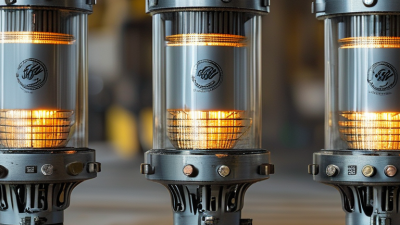
In industrial environments, flameproof lighting is designed for areas where flammable gas, vapor, or combustible dust may be present. A sealed enclosure helps contain an internal ignition and limits the chance that escaping flame will ignite the surrounding atmosphere. The term can sound more reassuring than it should. It does not mean a fixture is indestructible or safe in every hazardous area.

A flameproof rating applies to specific conditions, such as the atmosphere type, temperature limits, and equipment configuration. These details matter. A light suitable for one gas or dust classification may not suit another. “Flameproof” is also not simply another word for waterproof or heavy-duty; those describe different protections. The exact marking and supporting documentation should match the site’s assessed conditions.

Look closely at the whole installation, not just the lamp. Cable entries, enclosure joints, seals, and mounting can affect protection. A cracked lens, damaged gasket, or loose cable gland may undermine it. Dust collecting around a hot surface is another practical concern. Specifications sometimes emphasize brightness while giving little attention to these details—a gap worth questioning. Installation and maintenance should follow the equipment instructions and be handled by qualified personnel.
How Hazardous-Area Ratings and Certifications Are Classified

Hazardous-area ratings describe where a light may be used and how it limits ignition risk. They are not interchangeable labels. A flameproof enclosure, often marked Ex d, is designed to contain an internal explosion and prevent flame from reaching the surrounding atmosphere. It does not mean the fixture is indestructible or safe in every hazardous location.

Check the full marking, not just the words “flameproof.” Zone or Division indicates the area classification; gas group identifies the substances considered; and temperature class limits the fixture’s maximum surface temperature. For example, T4 means a maximum surface temperature of 135°C. Certification schemes and accepted markings vary by region, so compare the product label and certificate with site requirements. A rating is not universal approval.

Tips: Verify the certificate number and permitted ambient-temperature range. Check cable entries, seals, and installation instructions too. A suitable light can still be unsafe if installed incorrectly. Small details matter.

One common mistake is treating an IP rating as explosion protection. It only describes resistance to dust and water ingress. It does not replace hazardous-area certification. Before selection, match the marking to the site’s documented classification, operating temperature, and maintenance conditions. If any detail is unclear, pause and confirm it with a qualified safety professional. That extra check may feel slow, but guessing is worse.

2026 Best Flameproof Lights for Industrial Use? - How Hazardous-Area Ratings and Certifications Are Classified
There is no single “best” hazardous-area light for every facility. Select a fixture whose certified protection method, gas or dust group, temperature class, equipment protection level, and ambient-temperature range match the site’s documented area classification.
Rating or selection factor What it means Typical classification or mapping What to verify for an industrial light
Protection concept: Ex d “Flameproof enclosure” protection under IEC standards. The enclosure is designed to withstand an internal explosion and prevent it from igniting the surrounding atmosphere. Commonly used for gas- or vapor-hazardous locations; the full certificate and marking define its permitted use. Confirm the exact protection marking, certified model configuration, installation conditions, and applicable certificate. In North American codes, “explosionproof” is commonly used; do not assume the terms or approvals are interchangeable.
ATEX gas zones Zones classify how often and how long an explosive gas atmosphere is likely to be present. Zone 0: present continuously, for long periods, or frequently. Zone 1: likely occasionally in normal operation. Zone 2: not likely in normal operation and, if it occurs, lasts only briefly. Match the equipment category or equipment protection level to the site’s zone classification; the zone describes the area, not the light itself.
ATEX dust zones Zones classify the likelihood and duration of an explosive dust cloud being present. Zone 20: present continuously, for long periods, or frequently. Zone 21: likely occasionally in normal operation. Zone 22: not likely in normal operation and, if it occurs, lasts only briefly. Check that the certificate specifically covers combustible dust and the required zone. A gas-only approval does not establish dust suitability.
ATEX equipment categories The ATEX equipment category indicates the required level of protection for equipment in Group II industrial locations. Gas: Category 1G / 2G / 3G generally corresponds to Zones 0 / 1 / 2. Dust: Category 1D / 2D / 3D generally corresponds to Zones 20 / 21 / 22. Check the complete ATEX marking and certificate. Group I is for mining; Group II is for other gas locations; Group III is for dust locations.
IECEx equipment protection level (EPL) EPL identifies the protection level and the type of hazardous atmosphere for which equipment is assessed. Gas: Ga, Gb, Gc. Dust: Da, Db, Dc. Common zone associations are Ga/Zone 0, Gb/Zone 1, Gc/Zone 2, and Da/Zone 20, Db/Zone 21, Dc/Zone 22. IECEx is a certification scheme, not a substitute for the site’s hazardous-area classification. Verify the certificate and local regulatory acceptance.
Gas group Gas groups distinguish hazards according to properties relevant to equipment protection, including ignition characteristics. IEC gas groups include IIA, IIB, and IIC; IIC is the most demanding of these groups. North American gas groups use a different classification system. Use the gas or vapor identified in the site documentation. Confirm the equipment group covers it; do not treat IEC and North American group labels as directly interchangeable.
Temperature class The T-class limits the equipment’s maximum permitted surface temperature under specified certification conditions. T1: 450°C; T2: 300°C; T3: 200°C; T4: 135°C; T5: 100°C; T6: 85°C. The maximum surface temperature must be below the relevant gas or vapor ignition temperature, with site-required margins and the certified ambient range considered.
North American Class and Division The NEC system classifies the type of hazard and whether it is present during normal conditions or only under abnormal conditions. Class I: gases or vapors; Class II: combustible dust; Class III: ignitable fibers or flyings. Division 1 generally covers hazards present in normal operation or certain frequent conditions; Division 2 generally covers hazards confined to abnormal conditions. Verify the exact Class, Division, gas or dust group, and temperature code required by the installation. Use equipment approved for the applicable jurisdiction and location.
Ingress protection (IP) The IEC 60529 IP code describes protection against access or solid-particle ingress and water ingress; it does not certify explosion protection. IP66: dust-tight and protected against powerful water jets. IP67: dust-tight and protected against temporary immersion under the standard’s test conditions. Choose an IP rating for the cleaning, weather, and dust exposure. Confirm hazardous-location certification separately.
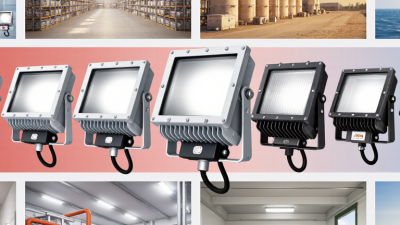
Fixture type and installation Different light formats suit different mounting locations and lighting tasks; a format alone does not indicate hazardous-area suitability. Examples include high-bay luminaires for open industrial spaces, linear luminaires for process areas, and floodlights for targeted outdoor or equipment illumination. Confirm the exact model is certified for the required location, mounting method, supply, ambient temperature, cable entries, and installation instructions. Check photometric performance separately for the task.
Selection note: Treat fixture examples as application categories, not product endorsements. Before purchase or installation, have the area classification and equipment suitability confirmed against the applicable local code, certificate, and manufacturer’s installation documentation.

Key Criteria for Selecting Flameproof Lights in 2026

Selecting a flameproof light starts with the area classification, not the wattage. Check that its certified marking matches the site’s gas or dust group, temperature class, and ambient temperature range. The enclosure must suit the actual hazard and applicable local requirements. A mismatch can make an otherwise well-built fitting unsuitable. Check the details.

Light output matters, but so does where the beam lands. Compare maintained lumens, beam angle, mounting height, and spacing against the work area. A narrow beam may leave dark gaps between tanks or pipe racks. Also review ingress protection, corrosion resistance, vibration tolerance, and operating temperature. On paper, a compact fitting may look ideal; above a washdown line, its material and seals matter more.

Installation and maintenance deserve equal attention. Confirm that cable entries, glands, and mounting hardware are approved for the fitting and site conditions. Ask how flamepaths are inspected and whether replacement parts remain available. Avoid modifications that are not permitted by the certification. Keep the maintenance instructions accessible. One overlooked detail: a heavy light can need stronger supports than an older fitting. That is easy to miss during a quick replacement. Plan the inspection interval around dust buildup, heat, and access time, not guesswork.

2026 Best Flameproof Lights for Industrial Use

Key selection criterion: match the luminaire’s temperature class to the hazardous atmosphere.

The bars show the standardized maximum surface temperature limits for gas temperature classes. Select a light whose certified temperature class keeps its maximum surface temperature below the ignition temperature of the gas or vapor present. Also verify the required area classification, protection concept, ingress protection, ambient-temperature range, and applicable certification for the installation.

Types of Flameproof Lights and Their Industrial Applications

2026 Best Flameproof Lights for Industrial Use?

Types of Flameproof Lights and Their Industrial Applications

Industrial lighting choices depend on the hazard, not just brightness. Gas, vapor, and combustible-dust areas require different protection concepts. A flameproof Ex d luminaire contains an internal ignition and limits flame transmission through its enclosure joints. Increased-safety Ex e fittings instead reduce the chance of sparks or excessive heat during normal operation. Details matter.

The U.S. Chemical Safety Board’s 2006 Combustible Dust Hazard Study recorded 281 incidents from 1980 to 2005. Those incidents caused 119 deaths and 718 injuries. This historical dataset is not a lighting test. It does show why ignition control matters around grain handling, mills, and powder transfer. In refineries and solvent rooms, correctly rated Ex d luminaires can provide fixed task lighting. Paint areas may need fittings selected for their specific vapor hazards.

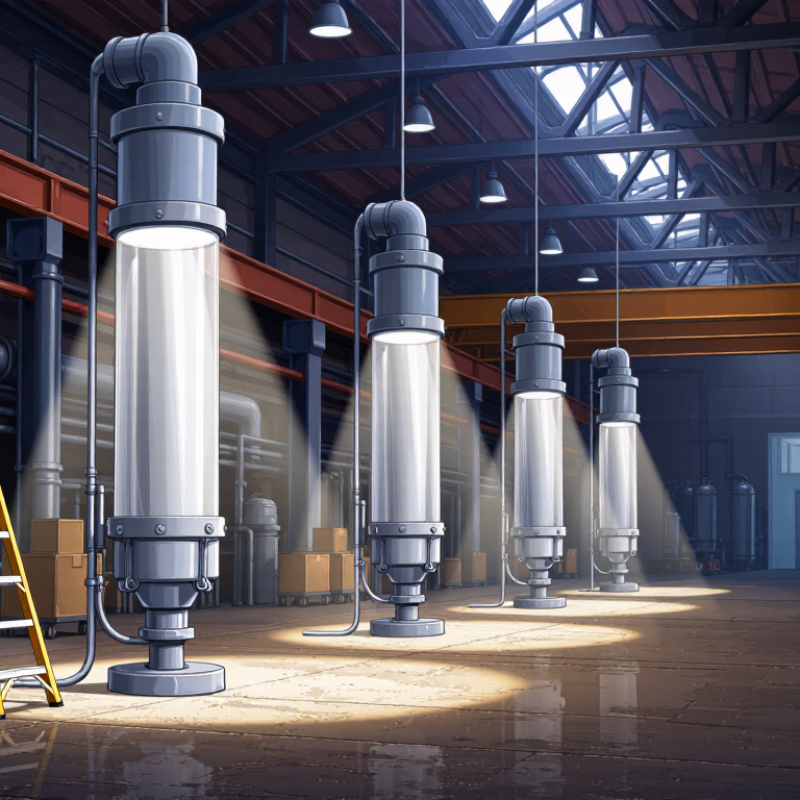
LED high-bay lights suit tall process halls, while sealed bulkhead lights work well along damp, washdown-prone walkways. Portable hazardous-area lamps help during inspections, but their batteries and fittings need the same careful rating check. Match each light to the area classification, gas or dust group, temperature class, and ambient conditions. IEC 60079 guidance is a useful technical reference. A label alone is not enough; installation, cable entries, and maintenance affect protection too. Real sites are messy, and that is easy to underestimate.

Installation, Inspection, and Maintenance Requirements

Selecting a flameproof light is only part of safe industrial operation. Installation must match the hazardous-area classification, gas or dust group, temperature limits, and ambient conditions at the exact location. Confirm these details against the equipment markings and site documentation before mounting. A qualified installer should use approved cable glands, preserve enclosure joints, and tighten fasteners to the specified torque. Small gaps matter. Never drill or modify the enclosure in the field unless the equipment instructions explicitly permit it. Isolate power before opening any fitting, and follow the site’s permit and verification procedures.

Inspection should look for cracked lenses, corrosion, damaged threads, loose bolts, and hardened or displaced seals. Check cable entries closely; a sound body cannot compensate for a poor gland seal. Maintenance intervals should reflect the environment and equipment instructions, not a convenient calendar alone. Dust, vibration, washdown, and chemical exposure can change what “routine” means. Record findings, repairs, and replacement parts so recurring problems are visible. Use only compatible parts, then verify that the enclosure is properly closed before returning the light to service. I would not assume a fitting remains suitable just because it still illuminates. Reassess it after impacts, process changes, or repeated seal failures.