inquiry
Leave Your Message

Top 10 Explosion Proof Lights for Global Buyers

Choosing the right Explosion Proof Lights is a safety decision, not merely a brightness comparison. Global buyers must examine hazardous-area certification, gas or dust classification, temperature rating, ingress protection, and operating conditions. A fixture that performs well in a clean warehouse may fail in a refinery, grain facility, paint room, or offshore platform.

As hazardous-area lighting engineer David H. Hough observes, “Certification is only the beginning; the installation decides whether protection survives.” This principle guides our selection of the Top 10 Explosion Proof Lights for Global Buyers. Each product should be judged beyond its lumen output. Buyers need to inspect housing materials, lens strength, cable entries, emergency options, maintenance access, and expected service life. Details matter.

Conditions change.

High humidity can attack seals. Dust can collect around cooling surfaces. Vibration can loosen connections over time. A lower-cost light may become expensive after repeated replacement, difficult access, or unexpected downtime. Still, product claims deserve careful questioning. Laboratory ratings do not always represent harsh field conditions. Even a certified light requires correct mounting, compatible wiring, and qualified inspection.

This guide compares leading solutions through a practical, evidence-focused lens. It considers performance, reliability, energy use, installation flexibility, and suitability across international markets. Standards and certification requirements may differ by region, so buyers should verify current documentation before purchase. Our ranking is not perfect. Real sites expose weaknesses that brochures often hide. That is precisely why careful evaluation matters.
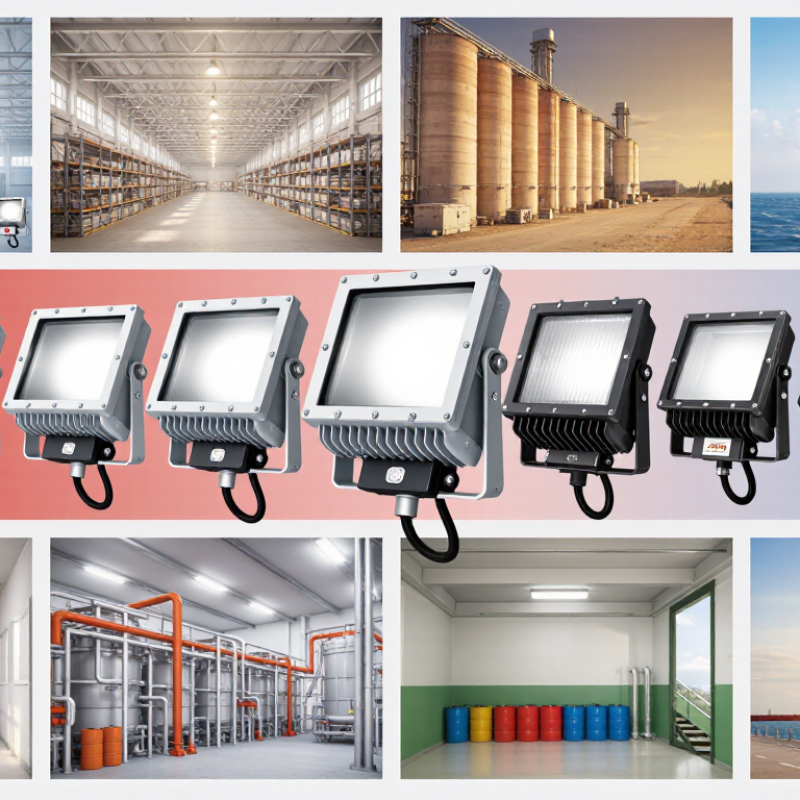
Top 10 Explosion Proof Lights for Global Buyers

What Explosion-Proof Lights Are and How They Work

Explosion-proof lights are designed for areas where flammable gas, vapor, dust, or fibers may exist. They do not stop explosions outside the fixture. Instead, they limit ignition inside the enclosure and prevent flames from escaping. IEC 60079-0 and IEC 60079-1 define construction and flameproof enclosure requirements for hazardous locations. The housing uses strong metal, controlled joints, and certified cable entries. Internal heat also matters. A safe fixture must keep its surface temperature below the ignition temperature of nearby materials.

NFPA’s Fire Loss in the United States During 2023 reported about 1.39 million fires. That figure does not measure lighting-related incidents, but it shows why ignition control deserves careful engineering. In practical inspections, dust around a fitting, loose glands, or damaged seals can weaken protection. A high certification rating alone is not enough. Installation quality can still fail. Buyers should check the hazardous-zone classification, gas or dust group, temperature class, ingress protection, voltage, and ambient temperature range. These details often receive less attention than brightness.

Tips: Match the light to the exact zone classification. Verify certificates through an authorized testing body. Inspect cable entries before energizing. Keep lenses and cooling surfaces clean. Select corrosion-resistant housings near saltwater or chemical exposure. Records should include inspection dates, torque checks, and replacement history. Mistakes happen, especially during retrofits, so independent verification is wise.
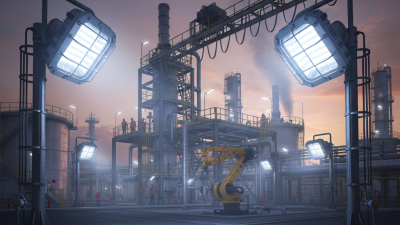
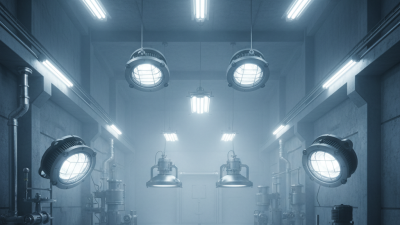
Key Safety Standards for Explosion-Proof Lighting Worldwide

Top 10 Explosion Proof Lights for Global Buyers

Key Safety Standards for Explosion-Proof Lighting Worldwide

Choosing explosion-proof lighting requires more than checking brightness or housing strength. Buyers must match the fixture with the hazardous area classification. Gas, vapor, dust, temperature, and equipment groups all affect suitability. IEC 60079 standards guide many international projects, while ATEX applies across the European market. North American installations often follow NEC and NFPA requirements. These systems are not interchangeable automatically.

Look for clear markings showing protection type, zone or division rating, gas or dust group, and temperature class. The temperature class matters greatly. A hot surface can ignite surrounding gases, even when the light appears sealed. IP ratings help resist water and dust, but they do not prove explosion protection. During practical inspections, unclear labels often cause delays. This detail is easy to underestimate. Certification must also match the installation country and site conditions.

Tips: Confirm the hazardous-area drawing before purchasing. Ask for current certificates, test reports, and installation instructions. Check ambient temperature, cable entries, mounting position, and maintenance access. Do not modify housings or replace approved components casually. A small wiring change can affect certification. Also review emergency lighting requirements separately. Product comparisons should include service life, corrosion resistance, and inspection procedures, not only wattage. Even experienced teams can miss compatibility between a certified light and an unsuitable cable gland.

How to Compare the Top 10 Explosion-Proof Light Types

Top 10 Explosion Proof Lights for Global Buyers

Comparing the top ten explosion-proof light types requires more than checking lumen output. LED linear lights suit long aisles and processing lines. High bays cover tall ceilings. Floodlights project strong beams across yards. Bulkhead lights work well in corridors and stairwells. Pendant lights fit focused work areas. Wall packs improve exterior visibility. Emergency lights support evacuation routes. Portable lights help temporary inspections. Area lights cover open work zones. Inspection lights serve narrow, close-range tasks.

Check the hazardous location before comparing prices. Gas zones and dust zones require different protection methods. Review the equipment group, temperature class, ingress rating, and ambient temperature range. IECEx, ATEX, NEC, or another accepted certification may apply. Certification must match the destination and installation environment. It is not enough to see “explosion-proof” on a product page. Ask for current certificates and installation instructions.

Compare mounting height, beam angle, cable entry, corrosion resistance, and maintenance access. A high lumen rating is not automatically better. Excessive glare can hide labels or create unsafe shadows. In humid sites, weak cable glands may cause trouble before the LEDs fail. I would also question unusually low prices. They may reflect shorter testing or limited documentation, but that is not always true. Even a careful buyer can overlook future replacement access. Measure the site twice. A small error there can become an expensive lighting problem.

Choosing Explosion-Proof Lights for Different Hazardous Areas

Top 10 Explosion Proof Lights for Global Buyers

Choosing Explosion-Proof Lights for Different Hazardous Areas

A universal “top ten” ranking can mislead buyers. Hazard classification must guide the shortlist. Zone 0 requires equipment designed for continuous or frequent explosive gas exposure. Zone 1 covers likely gas exposure during normal operations. Zone 2 involves shorter, abnormal releases. Dust areas use Zones 20, 21, and 22, which need different protection concepts. The area decides. Not the wattage.

Experienced engineers normally verify gas groups, temperature classes, ambient temperature, ingress protection, and mounting height. IEC 60079-10-1 supports area classification, while IEC 60079-14 addresses installation practices. For dusty sites, IEC 60079-31 is especially relevant. A refinery walkway may need high-temperature resistance and wide uniform lighting. A grain-processing room may need sealed surfaces that reduce dust accumulation. One detail is often missed: emergency lighting requirements can differ from normal lighting design.

Market data also deserves careful reading. MarketsandMarkets’ 2024 Explosion-Proof Lighting Market report projects continued growth through 2029, driven by industrial safety upgrades and infrastructure investment. However, market growth does not prove product suitability. Certification documents should match the exact model, protection method, gas or dust group, and operating temperature. Confirm this with the manufacturer and an independent inspection body. I have seen projects focus on lumen output, then discover poor glare control and inaccessible maintenance points. Bright is not always better. Recheck the assumptions.

Top 10 Explosion Proof Lights for Global Buyers - Choosing Explosion-Proof Lights for Different Hazardous Areas

Rank Explosion-Proof Light Type Typical Power Typical Output Common Hazardous Areas
(when correctly certified)
Gas / Dust Classification Typical Temperature Class Ingress Protection Best Applications Key Selection Considerations
1 Explosion-Proof LED High Bay 60–200 W 8,000–30,000 lm Zone 1, Zone 2, Zone 21, Zone 22 Gas Groups IIA/IIB; dust Groups IIIA/IIIB, depending on certification T4 or T5 is common Usually IP65–IP66 Oil and gas facilities, chemical plants, refineries, warehouses and high-ceiling process areas Check mounting height, beam angle, ambient temperature, glare control and emergency-lighting requirements.
2 Explosion-Proof LED Floodlight 50–240 W 6,500–36,000 lm Zone 1, Zone 2, Zone 21, Zone 22 Gas and dust approvals vary by construction and certificate T4 is widely used; lower surface temperatures may be required for specific gases or dusts Typically IP66 Tank farms, loading bays, outdoor pipe racks, storage yards and perimeter lighting Select optics according to beam distance, mounting position, wind exposure and corrosion conditions.
3 Explosion-Proof LED Linear Light 20–80 W 2,600–12,000 lm Zone 1, Zone 2, Zone 21, Zone 22 Commonly available for IIA/IIB gases and selected dust environments T4–T6, depending on enclosure and ambient rating IP65–IP66 Workshops, corridors, tunnels, production lines and long industrial aisles Useful for uniform illumination; verify continuous-row compatibility and ceiling or wall mounting method.
4 Explosion-Proof LED Bulkhead Light 10–40 W 1,000–5,500 lm Zone 1, Zone 2, Zone 21, Zone 22 Gas or dust suitability depends on the certified enclosure design T4–T6 is common Usually IP65–IP66 Doorways, staircases, walkways, low-ceiling rooms and local task areas Choose for compact installation, impact resistance and suitable light distribution at low mounting heights.
5 Explosion-Proof LED Portable Work Light 5–50 W 500–6,000 lm Zone 0, Zone 1, Zone 2, Zone 21 and Zone 22, only where specifically certified Intrinsically safe or explosion-protected versions are available for different gas and dust groups Often T4 or lower surface-temperature classifications Commonly IP67 or higher for portable use Inspection, maintenance, confined-space work and temporary illumination Confirm zone approval, battery type, operating time, charging restrictions and permissible accessories.
6 Explosion-Proof LED Emergency Light 3–20 W 300–2,500 lm Zone 1, Zone 2, Zone 21, Zone 22, subject to certification Gas and dust ratings vary; emergency products require separate electrical and battery approvals Typically T4 or lower IP65–IP66 Escape routes, exits, control rooms, process platforms and emergency access paths Review rated duration, battery replacement, self-test functions, maintained or non-maintained operation and local codes.
7 Explosion-Proof LED Exit Sign 2–8 W Typically 100–500 lm Zone 1, Zone 2, Zone 21 and Zone 22, where certified Classification must match the surrounding gas or dust hazard Usually T4 or lower Normally IP65 or IP66 Evacuation routes, emergency exits and access doors in hazardous buildings Check viewing distance, pictogram requirements, arrow direction, battery duration and installation height.
8 Explosion-Proof LED Inspection Light 10–60 W 1,000–8,000 lm Zone 1, Zone 2, Zone 21 and Zone 22; Zone 0 requires a specific approved design Gas and dust group ratings depend on the light source, enclosure and power supply T4 is common; verify maximum surface temperature IP66–IP67 Equipment inspection, vessel access, machinery maintenance and localized process checks Prioritize compact size, beam control, impact resistance, cable flexibility and easy positioning.
9 Explosion-Proof LED Canopy Light 30–120 W 3,500–18,000 lm Zone 1, Zone 2, Zone 21 and Zone 22, depending on certification Available ratings differ for gas, combustible dust and combined hazards T4–T6 depending on thermal design Typically IP65–IP66 Fuel stations, covered loading areas, platform canopies and sheltered outdoor workspaces Evaluate horizontal or vertical mounting, canopy height, fuel-vapor classification and ambient temperature.
10 Explosion-Proof LED Handheld Flashlight 1–10 W 100–1,200 lm Zone 0, Zone 1, Zone 2, Zone 21 and Zone 22 only with the relevant approval Often available in intrinsically safe versions for selected gas and dust groups Commonly T4 or lower Frequently IP67 or IP68 Routine inspections, emergency response, field service and confined-space entry Check certification label, battery approval, drop resistance, runtime, charging method and attachment options.

Note: Hazardous-area suitability depends on the complete certification marking, including protection method, equipment category or EPL, gas or dust group, temperature class, ambient-temperature range and installation requirements. Zone 0 and Zone 20 applications require equipment specifically approved for continuous or frequent hazardous exposure; not every explosion-proof light is suitable for these areas.

Installation, Maintenance, and Purchasing Considerations for Global Buyers

Selecting the top ten explosion-proof lights starts with the installation environment, not the lumen number. IEC 60079-14 requires documented design, equipment selection, and installation practices for explosive atmospheres. Confirm the gas or dust group, temperature class, ambient temperature, and required protection level before purchasing. Local certification must also match the site’s regulations. A fixture rated for dust may not suit a solvent-processing area.

Installation details affect safety and service life. Use correctly sealed cable entries, suitable conduit, and corrosion-resistant mounting hardware. Avoid placing drivers near hot surfaces or vibration sources. The IEA’s Energy Efficiency 2023 report estimates that lighting consumes about 15% of global electricity, so efficient LEDs can reduce operating costs. However, efficiency alone is not a safety qualification.

Maintenance should follow IEC 60079-17 inspection principles. Check lenses, seals, terminals, and enclosure damage during planned shutdowns. Remove dust carefully; never weaken certified joints with unapproved drilling or modifications. Keep inspection records, torque values, and replacement details. The International Labour Organization reports nearly 2.93 million work-related deaths annually, showing why disciplined controls matter. A perfect specification rarely survives a dirty site. Recheck conditions after process changes, because the original risk assessment may no longer fit. Review emergency lighting, temperature rise, glare, spare parts, and warranty support before approving the purchase.

Top 10 Explosion Proof Lights for Global Buyers

Representative lumen output by common hazardous-area luminaire type

The values show representative midpoints of commonly specified industrial LED output ranges, not brand-specific ratings. During purchasing, confirm the required hazardous-area certification, gas or dust group, temperature class, IP rating, ambient-temperature range, voltage, emergency requirements, and photometric performance. Installation should follow the certified product instructions and local electrical codes. Routine maintenance should include lens cleaning, gasket inspection, cable-entry checks, grounding verification, and a review of certification labels before replacement.

Typical output ranges vary by manufacturer, optics, operating temperature, and certification configuration. Always verify the final specification before installation.