What is Led Strip Tube Benefits and Uses for Buyers?
In the world of modern lighting solutions, the "Led Strip Tube" stands out for its versatility and efficiency. According to John Smith, a lighting industry expert, "Led Strip Tubes offer a combination of aesthetics and functionality that traditional lighting often lacks." This statement highlights the increasing popularity of these products among both consumers and businesses.
Led Strip Tubes come in various lengths and colors, making them ideal for diverse applications. They are often used to enhance aesthetics in homes, venues, and offices. Additionally, their energy efficiency contributes to significant savings over time. However, not all Led Strip Tubes are created equal. Buyers should be aware of factors like brightness and color rendering to make informed choices.
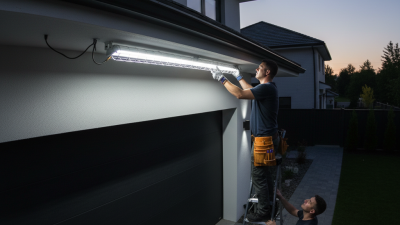
While many consumers appreciate their sleek designs, some may overlook the importance of proper installation. Poorly installed Led Strip Tubes can lead to unsatisfactory results. Buyers need to ensure that they follow guidelines or seek professional help when necessary. Thus, understanding the benefits is essential, but so is acquiring the right knowledge for effective use.
Understanding LED Strip Tubes: Definition and Functionality
LED strip tubes are a versatile lighting option that combines functionality and aesthetics. These tubes are designed using energy-efficient LED technology, providing bright illumination while using significantly less energy than traditional lighting solutions. According to a report by the U.S. Department of Energy, LED lighting achieves up to 80% more efficiency than incandescent bulbs. This efficiency translates into cost savings for consumers over time.
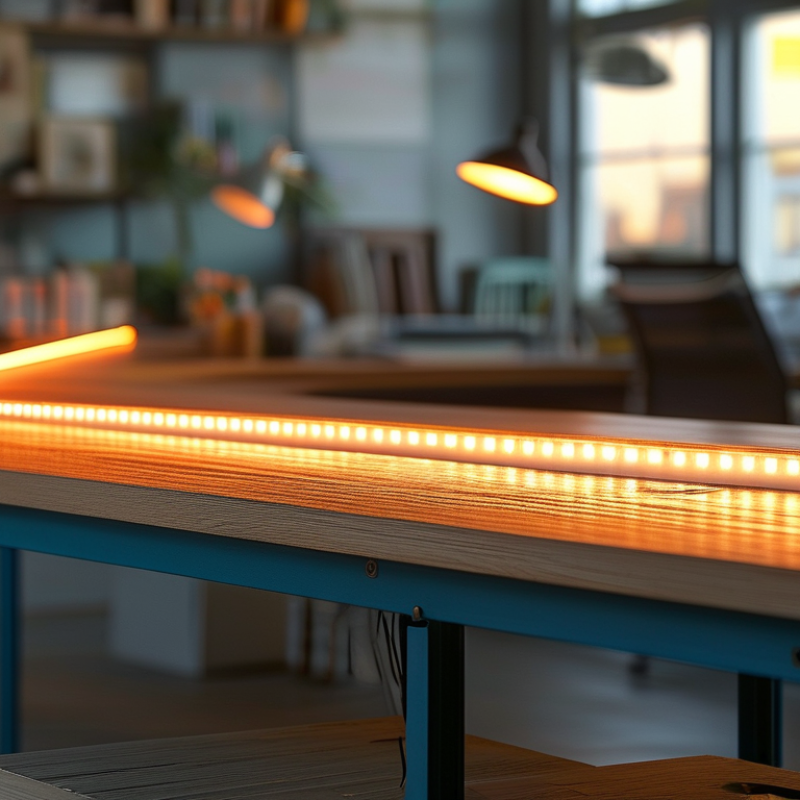
The primary functionality of LED strip tubes lies in their adaptability. They can be used in various environments, from residential homes to commercial spaces. Their flexible nature allows them to conform to different shapes and sizes. Furthermore, these tubes can be installed under cabinets, in cove lighting, or even as accent lighting in creative projects. This adaptability can be particularly beneficial for buyers looking for customizable lighting solutions.
While the benefits are clear, there are challenges to consider. Some users may find it difficult to install LED strip tubes due to varying compatibility with existing fixtures. Additionally, the initial cost can be higher than traditional lighting options. It's essential for buyers to weigh these factors when making a decision. Ultimately, understanding the core functionality and benefits of LED strip tubes can lead to informed purchasing choices.
What is Led Strip Tube Benefits and Uses for Buyers?
| Benefit/Use |
Description |
Applications |
Energy Efficiency |
| Versatility |
Can be used for various lighting setups |
Home, office, outdoor |
Low energy consumption |
| Aesthetic Appeal |
Enhances the visual appeal of spaces |
Decorative lighting, accentuation |
Energy-saving while providing illumination |
| Durability |
Long lifespan compared to traditional bulbs |
Long-term installations |
Less frequent replacements reduce waste |
| Flexibility |
Can be cut and connected in various configurations |
Creative lighting designs |
Optimized for specific needs |
| Ease of Installation |
Simple to mount and wire |
DIY projects, professional setups |
Quick setup saves time and effort |
Key Benefits of Using LED Strip Tubes for Home and Commercial Spaces
LED strip tubes have gained popularity in both home and commercial spaces, thanks to their versatility and efficiency. According to a report by Grand View Research, the global LED lighting market is expected to reach $105.67 billion by 2027. This surge reflects the growing preference for LED technology, as it offers significant energy savings compared to traditional lighting. LED strip tubes can provide up to 80% energy savings, making them an attractive option.
The aesthetic appeal of LED strip tubes is another key benefit. They come in various colors and can be seamlessly integrated into different design schemes. For instance, they can be used to highlight architectural features or create ambient lighting in living spaces or offices. Studies show that well-lit environments can enhance productivity by up to 20%. This highlights the importance of choosing the right lighting solutions for both work and leisure areas.
However, there are still challenges to consider. Installation can require expertise, and improper setup may lead to uneven lighting. Moreover, choosing lower-quality LED strip tubes may compromise longevity and performance. Users should weigh options carefully, looking for reliable products backed by credible industry testing. Balancing cost, quality, and aesthetic needs can lead to better outcomes in lighting design.
Common Applications of LED Strip Tubes in Interior Design
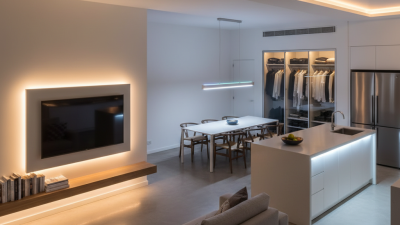
LED strip tubes are gaining popularity in interior design for their versatility and efficiency. These tubes are flexible, allowing them to fit in various spaces. They can enhance the ambiance of a room while providing essential lighting. Many designers are now integrating LED strip tubes into their projects.
Common applications include accent lighting, backlighting for cabinets, and cove lighting. Designers often use these strips to highlight architectural features. The right placement can create visual interest and depth. In kitchens, they illuminate workspaces effectively. In living areas, they add warmth and style to any design.
When using LED strip tubes, consider the color temperature. Choose warmer tones for cozy spaces and cooler tones for modern aesthetics. It’s crucial to plan the installation carefully. Measurement and placement can greatly influence the final look. Remember, too much light can overwhelm a space. Balance is key.
Take time to experiment with different arrangements. Don’t hesitate to revisit your choices until you achieve the desired effect. Lighting design is an art that requires patience and tweaks. The beauty of LED strip tubes lies in their adaptability and ease of use.
Comparing LED Strip Tubes to Traditional Lighting Solutions
LED strip tubes have gained popularity as a modern lighting solution, especially when compared to traditional lighting options like incandescent or fluorescent bulbs. Studies show that LED lighting can be up to 80% more energy-efficient. This efficiency is crucial for both residential and commercial buyers looking to reduce energy costs in the long run. The decreasing price of LED technology has also made it a feasible choice for many consumers.
Beyond energy savings, LED strip tubes offer versatility. They can be used for accent lighting, task lighting, or even general illumination in various settings. A notable benefit is their lifespan. Some LED strips last over 25,000 hours, significantly outlasting typical bulbs. However, it’s worth noting that not all LED products maintain consistent brightness and color temperature, which can disappoint buyers.
Another factor to evaluate is installation. LED strip tubes are usually easier to install than conventional fixtures. They can be cut and customized for different spaces, enhancing their usability. Yet, consumers must ensure they choose a reliable installation method to avoid potential issues, such as overheating. Overall, while LED strip tubes provide distinct advantages, it is essential to research and understand both their benefits and limitations.
Comparing LED Strip Tubes to Traditional Lighting Solutions
How to Choose the Right LED Strip Tube for Your Needs
Choosing the right LED strip tube can be daunting. Many options are available, and understanding your needs is crucial. Start by considering where you'll install the strip. For instance, indoor use may require different specifications compared to outdoor setups.
Brightness is another critical factor. Measure the space you want to illuminate. A dimly lit area might need brighter lights. Color temperature matters too. Warmer lights create a cozy feel, while cooler tones promote focus. Additionally, think about the length and flexibility of the strips. Some areas may need custom lengths or bends around corners.
Lastly, look into the power source. Many options require a direct connection to a power supply. Others operate on battery power. If you neglect this aspect, it may lead to installation frustrations. Always check compatibility with your existing setups, as mismatches could lead to poor performance.

 +86 18968869621
 CONTACT NUMBER