2026 Top Strip Light Trends for Global Buyers?
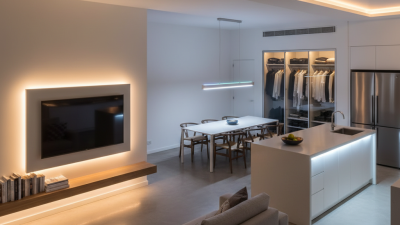
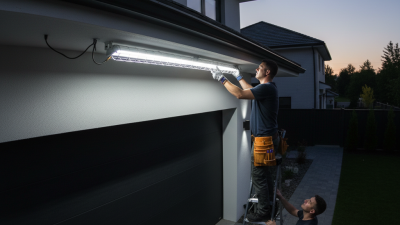
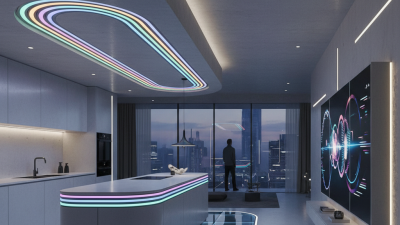
The world of lighting is ever-evolving, and strip lights are becoming increasingly popular among global buyers. These versatile lighting solutions are not just functional; they also enhance the aesthetic of various spaces. In 2026, we expect to see exciting trends in strip light designs and applications. Buyers will look for innovative ways to use strip lights in homes, commercial spaces, and outdoor settings.
As strip lights gain traction, new technologies are emerging. Smart strip lights that can be controlled via smartphone apps are gaining popularity. They offer flexibility and ease of use. Furthermore, energy efficiency remains a key concern, pushing manufacturers to create more sustainable options. Integration with home automation systems is becoming a must for many buyers.
Still, challenges remain in the market for strip lights. Quality can vary widely among different brands. Buyers must be diligent in their choices. Identifying reputable suppliers is crucial. The journey toward finding the perfect strip light can be filled with moments of doubt. However, understanding the latest trends and technologies can guide buyers toward making informed decisions.
Innovative Designs in Strip Lighting for 2026
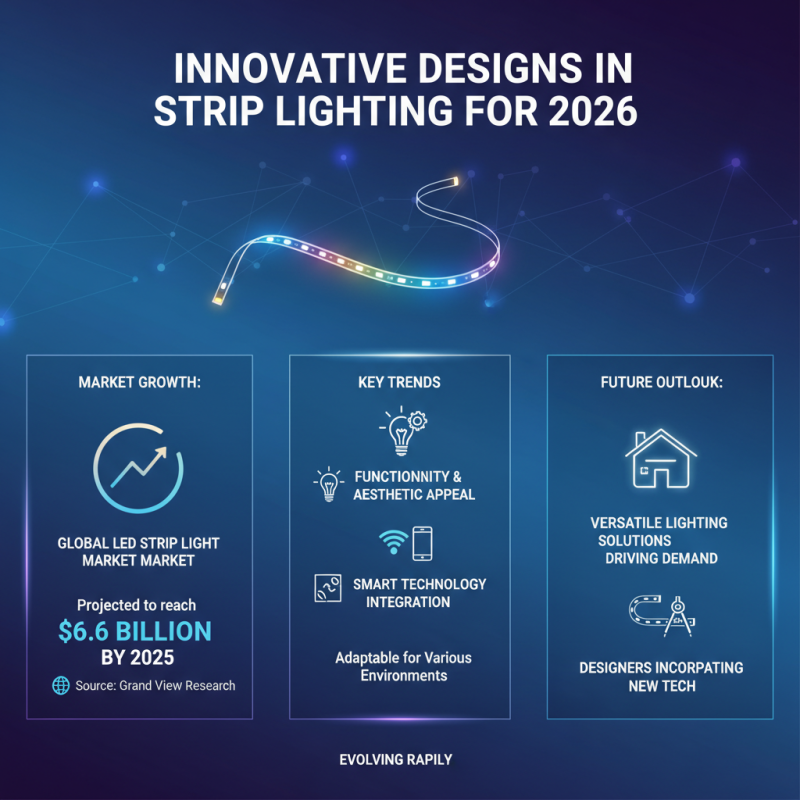
As we approach 2026, the landscape of strip lighting is evolving rapidly. Innovative designs are driving trends that prioritize functionality and aesthetic appeal. According to the latest industry report by Grand View Research, the global LED strip light market is projected to reach $6.6 billion by 2025, reflecting a growing demand for versatile lighting solutions. Designers are incorporating smart technology into strip lights, making them adaptable for various environments.
One notable trend is the rise of tunable white LED strips. These allow users to adjust color temperature based on time of day. Users can create a warm ambiance for relaxation or a cooler light for productivity during work hours. This adaptability aligns with findings from the American Society of Interior Designers, which emphasizes the importance of lighting in enhancing mood and efficiency in spaces.
Another trend is sustainability in design, with many manufacturers prioritizing eco-friendly materials. However, challenges remain in achieving both performance and environmental responsibility. Some products do not meet longevity expectations, leading to higher replacement rates and potential waste. Addressing these issues is crucial for future development in the strip lighting market. As we navigate 2026, a focus on innovative, reliable, and sustainable designs is essential for meeting consumer demands.
Sustainable Materials and Eco-Friendly Practices in Strip Lights
Sustainability has become a priority in the lighting industry, particularly for strip lights. Buyers are increasingly seeking products made from sustainable materials. These materials not only reduce environmental impact but also appeal to eco-conscious consumers. Recycled plastics and bamboo are popular choices. These raw materials provide durability and a lower carbon footprint.
Beyond materials, eco-friendly production practices are crucial. Manufacturers are adopting energy-efficient processes. This approach minimizes waste and reduces energy consumption. Additionally, many companies now focus on using recyclable packaging. It is a small, yet significant change that can lead to broader environmental benefits.
However, the journey to sustainability is not without challenges. Many manufacturers grapple with sourcing truly sustainable materials. Others struggle to balance cost with environmental responsibility. Transparency in the supply chain is often lacking. Buyers need to remain vigilant. They should seek out brands that commit to sustainable practices genuinely, not just as a marketing strategy. It’s essential to dig deeper and ask the right questions.
Smart Lighting Technologies Driving Strip Light Trends
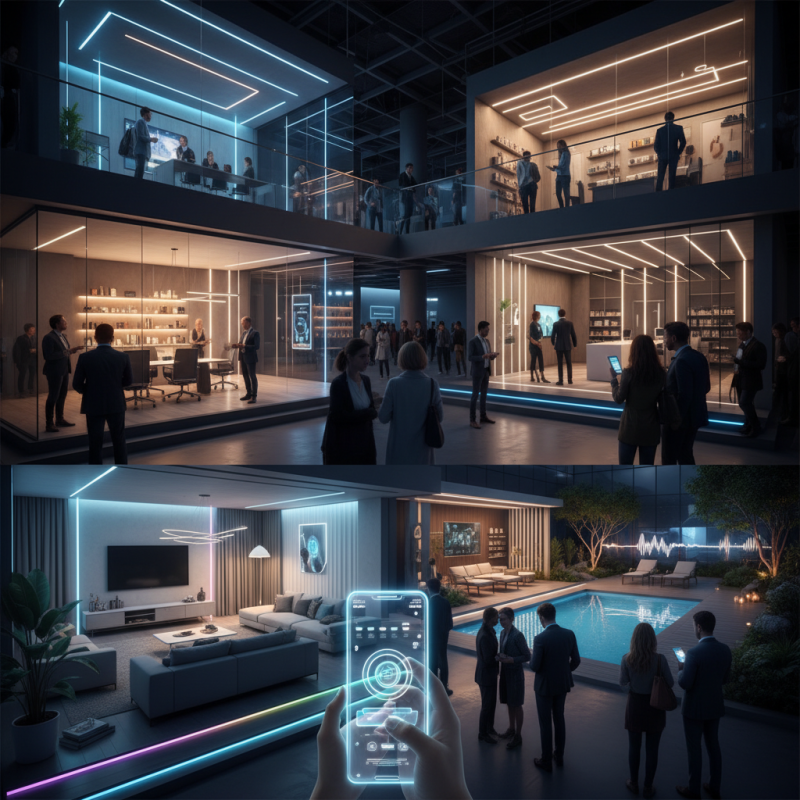
The rise of smart lighting technologies is significantly shaping the strip light market. This trend highlights the importance of innovation in lighting design. Many consumers are seeking energy-efficient solutions that adapt to their needs. More homes and businesses are enjoying customizable lighting options. These can set moods or enhance productivity.
Smart strip lights now integrate with home automation systems. They respond to voice commands, create schedules, and adjust colors easily. Users appreciate convenience and efficiency, but some face challenges. The initial setup may be complex for non-tech-savvy individuals. Additionally, compatibility issues with older systems can frustrate buyers.
As smart lighting evolves, we see more features and functions. Strip lights now often include sensors for motion detection. This can save energy when rooms are unoccupied. However, users must consider the balance between technology and simplicity. Some might prefer straightforward designs without complex controls. The ongoing shift reveals an essential exploration of needs versus advancements.
Color Trends and Customization Options for Strip Lights
When it comes to strip lights, color trends are evolving rapidly. Buyers are increasingly drawn to dynamic hues that can enhance various environments. The popularity of RGB colors allows for versatility. It’s possible to create ambiance in a living room, or set the mood for a party. Customization is at the forefront of these trends, helping buyers tailor products to their unique tastes.
Many consumers are looking for ways to personalize their strip lights. Options for brightness, intensity, and color combinations are essential features. This enables users to experiment with lighting effects. However, not all customization options are equally effective. Some may find it challenging to achieve their desired aesthetic. It’s important to consider user-friendly interfaces to avoid frustration.
Incorporating sustainable practices is also becoming crucial. Many buyers prefer energy-efficient lighting solutions. This aligns with a broader trend towards environmental consciousness. However, some products may fall short in combining style with sustainability. The market still faces challenges in balancing these aspects. Overall, color trends and customization options in strip lights reflect a growing desire for personal expression and eco-friendly practices.
2026 Top Strip Light Trends for Global Buyers
Market Insights: Consumer Preferences in Strip Lighting Choices
When it comes to strip lighting, consumer preferences are evolving rapidly. Today, buyers prioritize energy efficiency and versatility. They seek products that not only illuminate but also enhance their living spaces. Color temperature plays a crucial role, with many gravitating towards warm white tones for a cozy ambiance.
Tips: Consider your space before selection. A warm light works well in bedrooms, while bright white is ideal for workspaces. Balancing these elements can greatly impact the atmosphere of your home.
The market shows a clear trend towards smart lighting solutions. Many consumers prefer strip lights that can be controlled via apps or voice commands. This convenience meets modern lifestyle needs, driving their popularity. However, some buyers express hesitation due to concerns about compatibility with existing systems.
Tips: Research compatibility with your home’s setup before purchase. Knowing technical specifications can save you from future inconveniences and enhance your experience.

 +86 18968869621
 CONTACT NUMBER