What is Led Strip Tube and How to Choose the Best One?
When it comes to modern lighting solutions, the Led Strip Tube stands out for its versatility and efficiency. This innovative product offers a wide range of applications, from home decor to commercial displays. Choosing the best Led Strip Tube can be challenging due to various options available in the market. Understanding the key features is essential for making an informed decision.
The design of the Led Strip Tube plays a critical role. Different colors, lengths, and brightness levels cater to diverse needs. Additionally, quality and durability are paramount—these tubes should withstand daily use without compromising performance. Reflecting on consumer experiences reveals that choosing the right Led Strip Tube often requires careful consideration of both aesthetics and functionality.
Moreover, one must also think about installation and maintenance. Some may find the process straightforward, while others may struggle. This highlights the need for clear guidance and reliable sources of information. By understanding the essential aspects, users can select a Led Strip Tube that truly meets their needs and expectations.
What is a LED Strip Tube: Definition and Usage
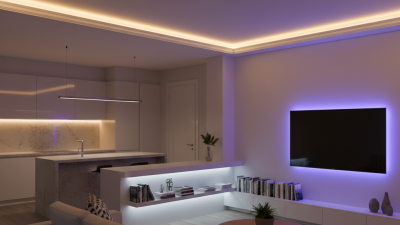
LED strip tubes are innovative lighting solutions that bring versatility and efficiency to both residential and commercial spaces. These tubes consist of rows of LED lights encased in a protective housing. They are lightweight and energy-efficient, making them perfect for various applications. Common uses include accent lighting, task lighting, and decorative purposes.
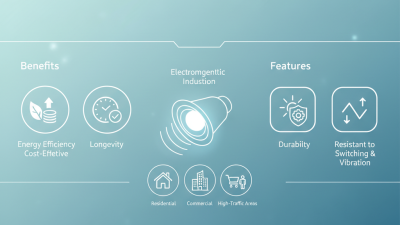
The benefits of LED strip tubes extend beyond their illuminating capabilities. They are available in different lengths, colors, and brightness levels. This variety allows for customization in design projects. Installation is usually straightforward, which can be appealing for DIY enthusiasts. However, it's essential to consider the installation environment. Extreme temperatures or humidity can affect performance and longevity.
Choosing the right LED strip tube may seem simple, but it's not always easy. One should assess factors like brightness, color temperature, and wattage. A well-chosen LED strip tube enhances aesthetic appeal and provides practical benefits. However, not everyone may understand the technical specifications. Researching and consulting experts can help buyers make informed decisions, leading to a successful lighting arrangement.
Advantages of Using LED Strip Tubes Over Traditional Lighting
LED strip tubes are gaining traction as a compelling alternative to traditional lighting solutions. Their design allows for flexible installations in both residential and commercial settings. According to a report from the U.S. Department of Energy, LED lighting can be up to 80% more efficient than incandescent lighting. This efficiency results in significant energy savings and lower utility bills.
One of the key advantages of LED strip tubes is their longevity. Most LED tubes have a lifespan of 15,000 to 50,000 hours, far surpassing traditional bulb options. For instance, incandescent bulbs typically last about 1,000 hours. Additionally, they emit less heat, making them safer in different environments. They can reduce air conditioning needs, improving overall energy efficiency.
The aesthetic appeal of LED strip tubes cannot be overlooked either. These tubes offer a wide range of colors and brightness levels, providing versatility for various projects. Yet, not all LED strips are created equal. The quality can vary significantly, leading to issues such as color inconsistency and shorter lifespans. It is essential to choose wisely to maximize benefits. Investing in high-quality options can lead to satisfaction and better long-term results.
Factors to Consider When Choosing the Best LED Strip Tube
When choosing LED strip tubes, several crucial factors come into play. Firstly, the lumens per watt (lm/W) measure the brightness efficiency of the tube. According to industry standards, a good LED strip tube should emit at least 80 lm/W to ensure adequate illumination while maintaining energy efficiency. Those with higher lumens will provide brighter spaces but could lead to increased energy consumption over time.
Next, consider the color temperature of the LED strip tube. This measurement, expressed in Kelvin (K), affects the ambiance of the environment. Warm white (around 2700K) creates a cozy atmosphere, while cool white (5000K) enhances productivity in workspaces. Research shows that lighting color can influence mood and productivity, making the right choice essential for the desired effect.
Another factor is the tube's CRI, or Color Rendering Index. A CRI above 90 ensures that colors appear true and vibrant, which is particularly important in design and art-related applications. Additionally, pay attention to the tube’s lifespan. Many LED strip tubes can last up to 25,000 hours, but cheaper options often fall short, leading to replacement costs that may negate initial savings. Selecting an LED strip tube with a longer life expectancy can provide better value over time. Evaluating these aspects can significantly enhance your lighting experience.
What is Led Strip Tube and How to Choose the Best One? - Factors to Consider When Choosing the Best LED Strip Tube
| Factor |
Description |
Recommended Specification |
| Lumens per Foot |
Measures brightness; higher means brighter light. |
Around 300-500 lumens |
| Color Temperature |
Determines the hue of the light; warmer (yellow) or cooler (blue). |
3000K (warm white) to 6000K (cool white) |
| Length |
The total length of the LED strip; fits your project needs. |
5m to 10m reels available |
| Voltage |
The power requirement; typically 12V or 24V. |
12V for most home use |
| Dimmability |
Whether the light can be adjusted for brightness. |
Choose compatible dimmable models |
| IP Rating |
Ingress protection against dust and water. |
IP65 for outdoor use, IP20 for indoor |
| Flexibility |
Ability to bend around curves and corners. |
Look for flexible models for intricate designs |
| Installation Method |
How the strip is mounted; adhesive, clips, or tracks. |
Self-adhesive backing for easy installation |
Common Applications for LED Strip Tubes in Home and Industry
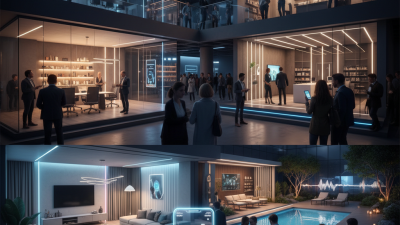
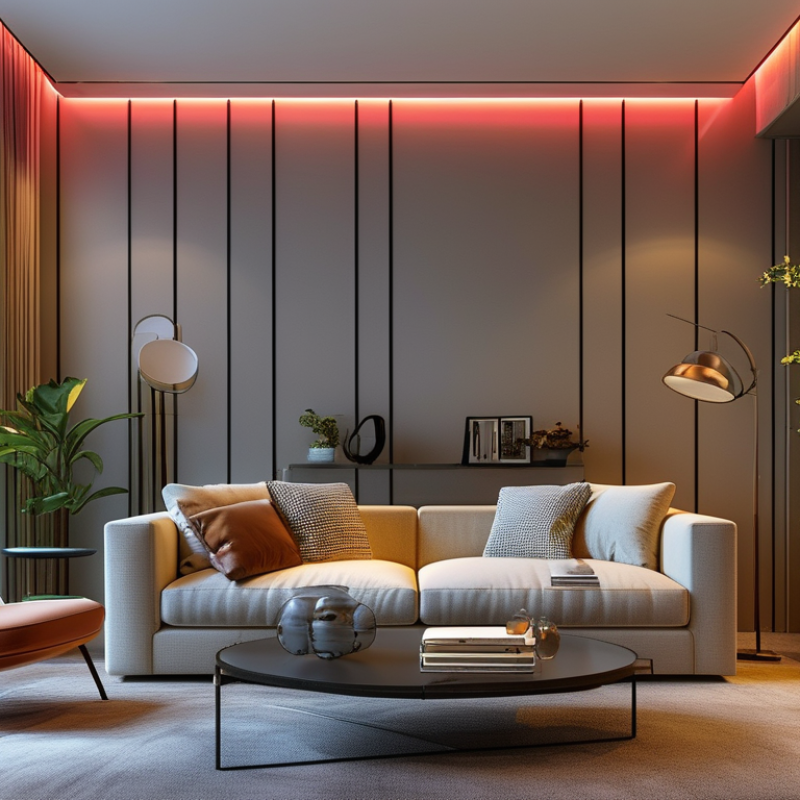
LED strip tubes have become popular in both home and industrial applications due to their versatility and efficiency. They are flexible, easy to install, and provide excellent lighting. In residential settings, you can use LED strip tubes for under-cabinet lighting, accent lighting in living rooms, or creating a cozy ambiance in bedrooms. In industries, they serve illumination for warehouses, production lines, and even signage.
When selecting LED strip tubes, consider the brightness and color temperature. A warm light may create a cozy environment, while a cool light is ideal for workspaces. It's crucial to assess the installation area too. Measure the length and ensure you have sufficient power supply for your chosen strips. Sometimes, the wrong length can lead to frustration and inadequate lighting.
Think about the functionality. Some strips offer smart controls, while others are static. Determine what you need before purchasing. Look for user reviews to gauge reliability and performance. Remember, the best choice depends on your specific situation and lighting needs. Experimentation might be necessary to find what works best for you.
Common Applications for LED Strip Tubes in Home and Industry
Top Recommendations for High-Quality LED Strip Tubes on the Market
When selecting high-quality LED strip tubes, consider factors that influence performance and durability. Look for tubes that use durable materials, as they will last longer. Consider the brightness measured in lumens. A higher lumen count ensures better illumination. Some users might find brighter options overwhelming, which can be a drawback.
Check the color temperature, measured in Kelvin, to set the right mood for your space. Warm white offers a cozy vibe, while cool white provides a more energized feel. However, preferences differ among users, so individual needs play a crucial role in this choice.
Look for energy-efficient options that save on electricity bills. However, beware of excessively low prices; they may indicate inferior quality. Reviews and user feedback can guide your choice. Reading about the experiences of others often sheds light on long-term performance. Evaluating warranties and return policies can also add peace of mind. This ensures that if something goes wrong, you have recourse.

 +86 18968869621
 CONTACT NUMBER