+86 18968869621


Choosing the right Waterproof Ceiling Light is rarely as simple as comparing brightness and price. Global buyers must examine moisture protection, voltage compatibility, heat control, materials, and installation conditions. A coastal bathroom, an outdoor corridor, and a cold warehouse create very different demands. Look closely at the IP rating. It is not a decorative number.
Lighting designer Sally Storey has said, “Light should reveal architecture, not overpower it.” This principle also applies to waterproof fixtures. A reliable ceiling light should provide even illumination without harsh glare. It should survive humidity while keeping its housing stable and its diffuser clear. Polycarbonate, sealed aluminum, and stainless-steel components often perform well, but construction quality still varies between manufacturers. Appearance can mislead.
This guide, “10 Best Waterproof Ceiling Lights for Global Buyers,” compares practical options for homes, hotels, workshops, bathrooms, and commercial spaces. Each product deserves attention beyond its advertised wattage. We consider ingress protection, color temperature, beam spread, lifespan, driver quality, mounting design, and after-sales support. These details affect daily comfort and long-term cost.
No shortlist can predict every installation. That limitation matters. A fixture suitable for a sheltered balcony may fail under direct rain or chemical cleaning. Buyers should verify regional certifications, wiring requirements, and warranty terms before ordering. Some product descriptions remain unclear, and that deserves criticism. The best choice is not always the brightest model. It is the one that fits the environment, complies with local requirements, and delivers dependable light year after year.
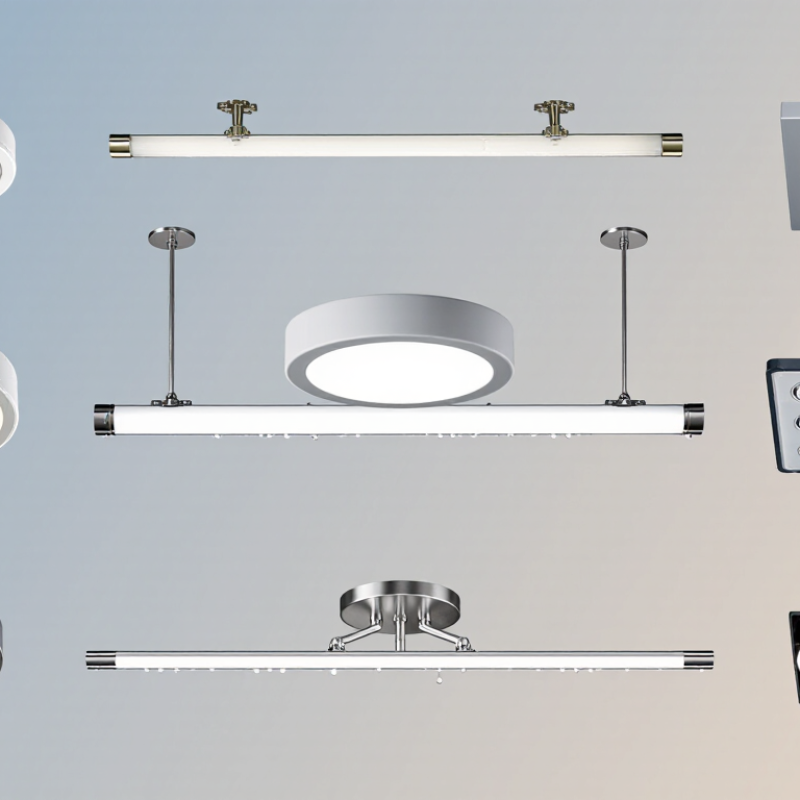
For global buyers, waterproof ceiling lights should be judged by IEC 60529 ratings, not attractive packaging. The IP code measures protection against solids and water. IP65 means dust-tight protection and resistance to water jets. It suits bathrooms, covered patios, workshops, and sheltered commercial areas. IP66 handles stronger water jets. It offers extra protection where cleaning sprays or heavy rain may occur.
IP67 adds temporary immersion protection, usually up to one metre for 30 minutes. However, IP67 does not automatically equal strong jet protection. A light marked IP66/IP67 provides both tested protections. Check the complete rating before comparing products. Small details matter, especially around outdoor entrances and humid utility rooms. Water can still enter through poor cable glands or damaged seals. Installation quality is not a minor issue.
In practical inspections, the ceiling surface and wiring often decide long-term reliability. Use sealed connectors and keep cable entry points facing downward when possible. Avoid placing an IP65 light where flooding is realistic. IP67 may be safer there, but it is not a permanent underwater rating. Condensation also deserves attention. A sealed housing can trap moisture after temperature changes. This point is easy to miss. Buyers should request test documentation, operating limits, and installation instructions. Ratings describe tested conditions, not every real-world environment. Even careful selection can fail when drainage, ventilation, or maintenance is overlooked.
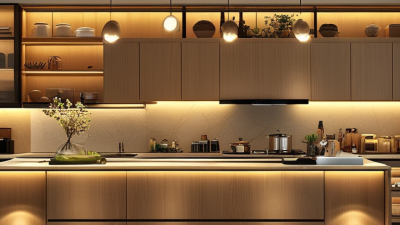
When comparing ten waterproof ceiling lights, start with measured lumens, not advertised wattage. Lumens show visible output, while watts show electricity consumed.
For a covered walkway, 1,000 to 1,500 lumens may feel adequate. A damp utility room often needs more even light. I have found that glossy tiles exaggerate brightness, but dark ceilings absorb it.
Check test conditions, because lumen claims can vary with temperature and diffuser design.
A 20-watt light producing 2,000 lumens is more efficient than a 30-watt model producing the same output. Still, efficiency alone does not guarantee comfort. Look at heat management and driver quality.
Beam angle determines how light spreads across a room.
A narrow 60-degree beam creates stronger pools, while 120 degrees gives softer coverage.
For low ceilings, wide distribution usually reduces dark corners. For a tall entryway, a tighter beam may place useful light on the floor.
CCT changes the room’s character: 2700K feels warm, 4000K looks balanced, and 6500K appears cool and sharp.
Compare all ten lights at the same CCT and mounting height. Otherwise, a brighter-looking sample may only seem better.
Waterproof performance also needs verification. An IP rating can indicate resistance, but seals, installation, and aging matter.
I once underestimated a gasket’s importance after seeing condensation around a ceiling fitting. That mistake deserves attention.
Choosing the right waterproof ceiling light depends on location, moisture, and maintenance access. In bathrooms, sealed flush-mount LED fixtures suit general ceilings and resist steam. For shower zones, select an appropriate IP rating under IEC 60529 and follow local electrical rules. IP44 handles splashing water, while IP65 provides stronger protection against water jets. Ratings alone do not replace correct installation.
For marine areas, vapor-tight ceiling lights with corrosion-resistant housings are practical. Salt air can attack ordinary metal quickly. Look for sealed connectors, stainless hardware, and UV-stable diffusers. Outdoor patios and walkways often benefit from IP65 or IP66 bulkhead-style fixtures. They should also tolerate temperature changes and direct sunlight. Harsh coastal sites need more than a waterproof label.
Energy use deserves attention. The U.S. Department of Energy reports that LED lamps use at least 75% less energy and last up to 25 times longer than incandescent lamps. That can reduce relamping in high or awkward ceilings. Still, I would not trust every “waterproof” claim. My first specification mistake was ignoring the driver enclosure. The light survived rain, but its poorly protected driver failed. Check the complete fixture, not only the lens. Each project needs a careful review of ingress protection, corrosion resistance, glare, color temperature, and serviceability.
| No. | Waterproof Ceiling Light Type | Typical IP Rating | Recommended Applications | Typical Power Range | Typical Color Temperature | Housing and Diffuser | Key Buying Consideration |
|---|---|---|---|---|---|---|---|
| 1 | Surface-Mounted LED Bulkhead Light | IP65–IP66 | Bathrooms, covered entrances, garages, utility rooms, and exterior walls | 10–25 W | 3000–6500 K | Polycarbonate or aluminum body with a sealed diffuser | A practical general-purpose option; check impact resistance and mounting space. |
| 2 | Slim LED Panel Ceiling Light | IP44–IP54 | Bathroom ceilings, kitchens, hallways, and sheltered indoor areas | 12–24 W | 3000–5000 K | Powder-coated metal frame with opal acrylic diffuser | Choose a sealed, bathroom-rated model rather than a standard dry-location panel. |
| 3 | Recessed Waterproof Downlight | IP44–IP65 | Bathroom ceilings, shower-adjacent areas, spas, and sheltered outdoor soffits | 5–15 W | 2700–4000 K | Aluminum trim with sealed glass or polycarbonate lens | Verify ceiling cutout size, driver location, insulation clearance, and local bathroom-zone rules. |
| 4 | Marine-Grade Flush-Mount Light | IP66–IP67 | Cabins, engine-room access areas, docks, boat decks, and coastal structures | 8–20 W | 3000–6000 K | Marine-grade stainless steel, aluminum, or UV-stabilized polymer | Prioritize salt-spray resistance, gasket quality, cable glands, and corrosion-resistant fasteners. |
| 5 | Vapor-Tight Linear LED Fixture | IP65–IP66 | Workshops, laundries, parking areas, warehouses, and damp service spaces | 20–60 W | 4000–6500 K | Sealed polycarbonate housing and frosted polycarbonate cover | Well suited to long, bright coverage; compare lumen output, beam distribution, and ambient-temperature limits. |
| 6 | Outdoor LED Drum or Globe Ceiling Light | IP44–IP65 | Porches, balconies, patios, covered walkways, and exterior hospitality areas | 8–18 W | 2700–4000 K | UV-resistant polymer or coated metal with frosted diffuser | Select the IP rating according to whether the fixture is fully exposed or protected by an overhang. |
| 7 | Emergency Waterproof Ceiling Light | IP65–IP66 | Industrial buildings, parking garages, tunnels, public facilities, and evacuation routes | 5–15 W operating load | 4000–6500 K | Sealed polycarbonate body with rechargeable battery compartment | Confirm emergency duration, self-test function, battery type, and required local certification. |
| 8 | Low-Voltage 12/24 V DC Ceiling Light | IP65–IP67 | Boats, recreational vehicles, remote cabins, solar systems, and off-grid buildings | 3–15 W | 2700–5000 K | Sealed polymer or anodized aluminum housing | Match the fixture to the actual DC voltage and protect the circuit with suitable fusing. |
| 9 | Explosion-Protected Waterproof Ceiling Light | IP65–IP66 | Hazardous industrial locations, chemical facilities, fuel-handling areas, and processing plants | 20–80 W | 4000–6500 K | Rugged metal enclosure with impact-resistant sealed lens | IP protection alone is insufficient; match the certified hazardous-area classification and temperature rating. |
| 10 | Solar-Powered Outdoor Ceiling Light | IP65–IP67 | Garden shelters, remote walkways, campsites, farm buildings, and outdoor security areas | 3–20 W LED output | 3000–6500 K | UV-resistant polymer or aluminum body with sealed battery compartment | Check solar-panel placement, battery capacity, winter performance, motion sensing, and charging time. |
Choosing waterproof ceiling lights for global projects requires more than checking appearance or brightness. Confirm the input range first. A fixture marked 100–277 V can support many commercial electrical systems, but the label must match the actual installation. Ask for test reports, wiring diagrams, and operating limits. Do not rely on a product page alone.
Water resistance also needs precise evidence. Check the IP rating under IEC 60529, especially for bathrooms, covered outdoor areas, and humid warehouses. CE marking indicates conformity with applicable European requirements, while UL certification may support acceptance in North American projects. These are not interchangeable. Request current certificates and verify that they match the exact model, not a similar-looking series.
RoHS documentation helps confirm restricted substances are controlled in the product. Energy performance deserves equal attention. Compare lumens per watt, standby power, color temperature, and rated lifetime. A bright fixture can still waste energy. In my purchasing experience, small details matter: a 4000 K light may suit a warehouse, while 3000 K can feel more comfortable in hospitality spaces. Installation evidence matters too. Look for sealed gaskets, corrosion-resistant hardware, and clear driver specifications. IP tests do not prove every real-world condition. A fixture exposed to salt spray needs more than a reassuring label. The checklist is useful, but it is not foolproof. Recheck documents before payment.
Global Buying Checklist: 100–277 V Input, CE, UL, RoHS, and Energy Ratings
The chart compares representative non-branded waterproof ceiling-light configurations by luminous efficacy. All configurations are specified for universal 100–277 V AC input, IP65 protection, CE and RoHS compliance, and UL or equivalent North American safety certification. IP65 indicates dust-tight protection and resistance to water jets; buyers should verify certification documents, photometric reports, and regional energy-label requirements before purchase.
Choosing waterproof ceiling lights requires more than checking the word “waterproof.” Confirm the fixture’s location rating and compare it with local electrical codes. Wet areas often require stricter protection than damp rooms. Keep the light outside the clearance zone specified for showers, bathtubs, and spray outlets. Measurements vary by country, ceiling height, and installation type, so never rely on a generic distance.
Switch off the circuit before installation. A qualified electrician should verify grounding, cable size, and junction-box placement. Fit the supplied gasket evenly against a clean, flat ceiling surface. Seal cable entries with approved fittings, but do not block designed drainage paths. Water can enter through a tiny gap. It can also remain trapped behind excessive sealant. I have seen both mistakes during inspections.
Maintenance protects the LED lifespan. Every few months, check for condensation, yellowing, loose covers, corrosion, or flickering. Clean the diffuser with a soft, dry or slightly damp cloth after isolating power. Avoid abrasive cleaners and direct water spray. Heat shortens LED life, so keep insulation away from ventilation areas required by the fixture. An advertised lifespan is usually measured under controlled conditions, not a humid bathroom. Real performance may differ. That detail is easy to overlook. Replace damaged seals promptly, and investigate repeated flickering instead of treating it as a minor nuisance.