Best Cold Storage Lamp Options for Efficient Inventory Management?
Cold storage is essential for inventory management in various industries, especially food and pharmaceuticals. Efficient lighting is a key factor in maintaining quality and safety. Selecting the right Cold Storage Lamp can significantly impact operational efficiency and energy costs. A report from the International Energy Agency (IEA) indicates that proper lighting can reduce energy consumption in cold storage facilities by up to 30%.
According to industry expert Dr. Emily Carter, “The right Cold Storage Lamp not only illuminates space but enhances overall safety and efficiency.” This insight underlines the importance of selecting suitable lighting solutions. Various options are available, including LED and fluorescent lamps, each with unique benefits.
However, choosing the appropriate lamp isn't always straightforward. Facilities may struggle with compatibility and installation concerns. Moreover, cost implications can be daunting for budget-conscious operators. A thoughtful approach is required to balance efficiency and investment. Continuous evaluation and adaptation of lighting strategies will ultimately lead to better inventory management and reduced operational risks.
Understanding Cold Storage Lamps and Their Importance
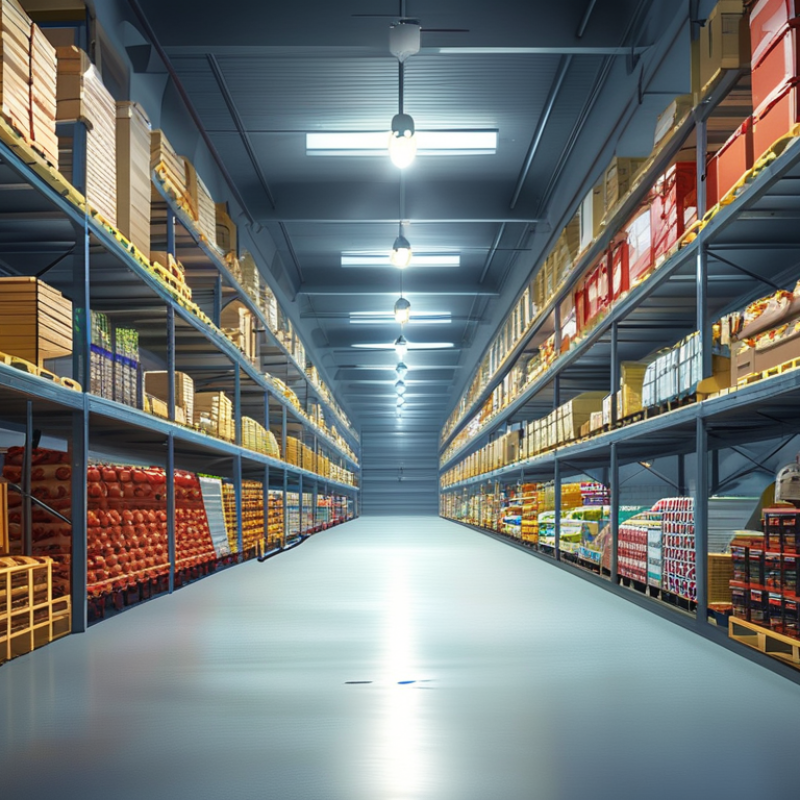
Cold storage lamps play a crucial role in inventory management. They provide essential lighting in environments that require maintained temperatures, such as warehouses or refrigeration units. Proper lighting ensures that staff can easily identify products, check their conditions, and manage stock effectively. Without suitable lighting, errors can occur, leading to inventory mishaps.
Understanding the types of cold storage lamps is vital. LED lights are often favored due to their energy efficiency and longevity. They emit less heat compared to traditional bulbs, which is beneficial in cold storage environments. However, some might overlook the color temperature, which affects visibility. Choosing the wrong light can lead to poor assessments of product conditions.
It's important to reflect on the design and placement of these lamps. Inadequate lighting can create shadowy areas, making inspections challenging. Over time, this can lead to product loss or spoilage. Regular checks on the lighting systems ensure they meet operational demands. Balancing brightness levels with energy needs can enhance both effectiveness and efficiency in the cold storage process.
Types of Cold Storage Lamps: LED, Fluorescent, and Others
When it comes to cold storage, the right lighting is crucial for efficient inventory management. Different types of lamps serve distinct purposes. LED lamps are popular due to their energy efficiency and long lifespan. They produce less heat, which helps maintain low temperatures. However, not all LED options are suitable for extreme cold environments.
Fluorescent lamps are another choice. They provide bright illumination and are cost-effective. Yet, they may struggle in extremely low temperatures, potentially leading to flickering. It's important to evaluate the temperature range of fluorescent fixtures to ensure they function effectively in your storage area.
Other options include halogen and high-intensity discharge lamps. While they offer high brightness, their heat output can become an issue. This adds complexity to temperature control in cold storage facilities. Regularly assessing the effectiveness of your lighting choices is essential. That way, you can improve your inventory management while maintaining product integrity.
Best Cold Storage Lamp Options for Efficient Inventory Management
Key Features to Consider for Efficient Cold Storage Lamps
When choosing lamps for cold storage, it’s vital to consider several key features. First, energy efficiency is crucial. LED lamps are often preferable. They consume less power and last longer, reducing replacement costs. Brightness also matters. Look for options that provide ample light to ensure visibility of products without causing temperature fluctuations.
Durability is another significant factor. Cold storage environments can be harsh. Select lamps that can withstand low temperatures and humidity. Additionally, the design should be easy to clean. Build-up of dirt can affect performance.
Finally, safety features should not be overlooked. Energy-efficient lighting options often include protective casings to prevent shattering. This minimizes the risk of contamination in food storage areas. Reflect on your specific needs to find the best fit for your inventory management. The right cold storage lamps can enhance efficiency and safety while supporting optimal product preservation.
Comparative Analysis of Top Cold Storage Lamp Brands
When selecting cold storage lamps, a detailed comparative analysis is crucial. Various brands excel in energy efficiency, brightness, and lifespan. Understanding these features helps in effective inventory management. Not all lamps produce consistent light output. Some may flicker or dim over time, affecting visibility in storage areas.
Tips: Always assess the lumen output and color temperature. Ideal lamps should provide bright, stable light. Keep in mind that cheaper options might compromise durability. Investing in reliable lamps saves costs in the long run.
Different brands use various technologies like LED and fluorescent. LED lamps usually offer longer lifespans and consume less energy. However, not every LED lamp performs equally well under low temperatures. Some may fail to illuminate adequately. Choosing the right one requires thorough research.
Tips: Look for reviews about long-term performance in cold environments. Real-world feedback can reveal reliability issues often overlooked in product specs. Don’t hesitate to ask other users about their experiences.
Tips for Maintaining Cold Storage Lamps for Longevity
Maintaining cold storage lamps is crucial for efficiency and longevity. Proper maintenance ensures consistent performance and reduces energy costs. Regularly clean the lamps to remove dust and debris. This simple task improves light output and efficiency. Use a soft cloth or a gentle cleaning solution. Avoid harsh chemicals that may damage lamp surfaces.
Check for any signs of wear or damage. Look at the seals and gaskets, as they help maintain the internal environment. Replacing these components promptly can prevent larger issues later. Make a habit of inspecting your lamps at least once a month. Note any flickering or inconsistent illumination, as these may be warning signs.
Consider the placement of lamps in your cold storage area. Ensure they are not obstructed by inventory. This can lead to overheating and reduced lifespan. Also, keep track of operating hours. LEDs typically last longer than traditional bulbs, but they do have limits. Pay attention to any changes in energy consumption, as this can signal the need for maintenance.

 +86 18968869621
 CONTACT NUMBER