What is Emergency Lighting and Why is it Important for Safety?
Emergencies can occur at any moment, often without warning. Having proper emergency lighting is crucial for ensuring safety in these situations. According to John Smith, an expert in emergency lighting systems, "Effective emergency lighting saves lives and reduces chaos during unexpected events."
The importance of emergency lighting cannot be overstated. In case of power outages, this lighting provides essential illumination, guiding people to safety. It minimizes panic and confusion, especially in high-traffic areas like offices and public spaces. Unfortunately, many structures neglect adequate emergency lighting. This oversight can lead to tragic outcomes during real emergencies.
Emergency lighting must meet specific standards to be reliable. Regular maintenance is necessary to ensure functionality. Experts suggest that emergency lighting systems should be tested monthly. However, not all facilities follow this recommendation, leaving them vulnerable. Ignoring these systems may seem minor, yet it can lead to a critical shortfall in safety.
Definition of Emergency Lighting and Its Types
Emergency lighting is essential in providing safety during unforeseen situations. It serves as a guiding light in darkness, ensuring safe evacuation. Understanding the different types of emergency lighting can enhance preparedness for emergencies.
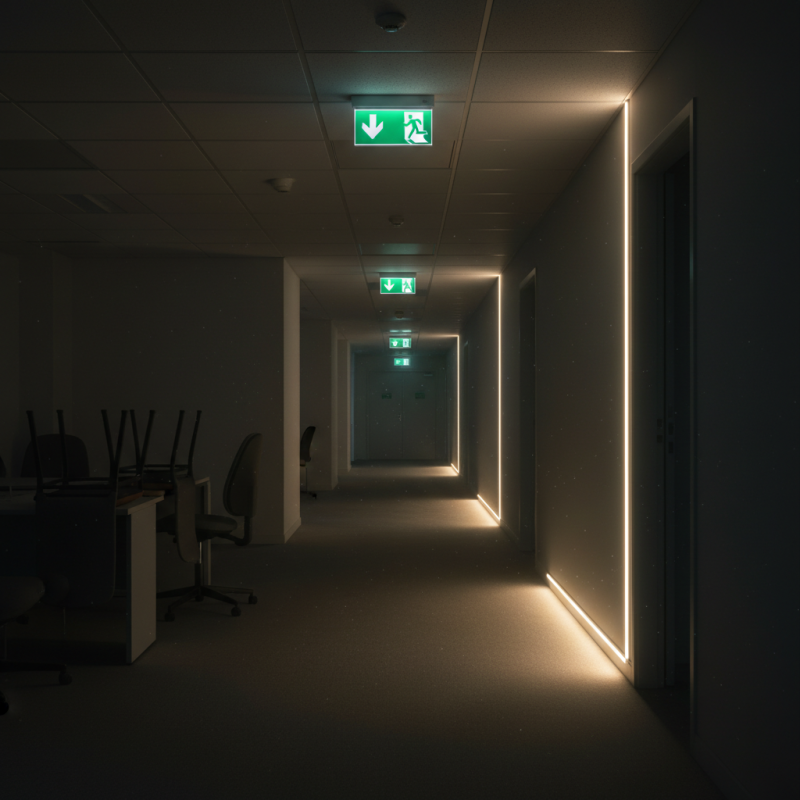
There are several types of emergency lighting. The most common is exit signage. These signs illuminate paths to exits. They are often placed above doors. Another type is emergency lights themselves. These lights activate automatically during power failures. They ensure visibility in stairwells and corridors. Finally, there are floodlights and spotlights. These provide illumination in larger areas. They can be critical in emergencies, aiding rescue operations.
The effectiveness of emergency lighting depends on proper installation and maintenance. Regular check-ups are necessary. However, many establishments overlook this crucial aspect. A neglected system can lead to failures when needed most. It's vital to ensure all lights function correctly. Testing them periodically should be a priority. Proper training for staff on using emergency lights can further enhance safety.
The Role of Emergency Lighting in Evacuation Safety
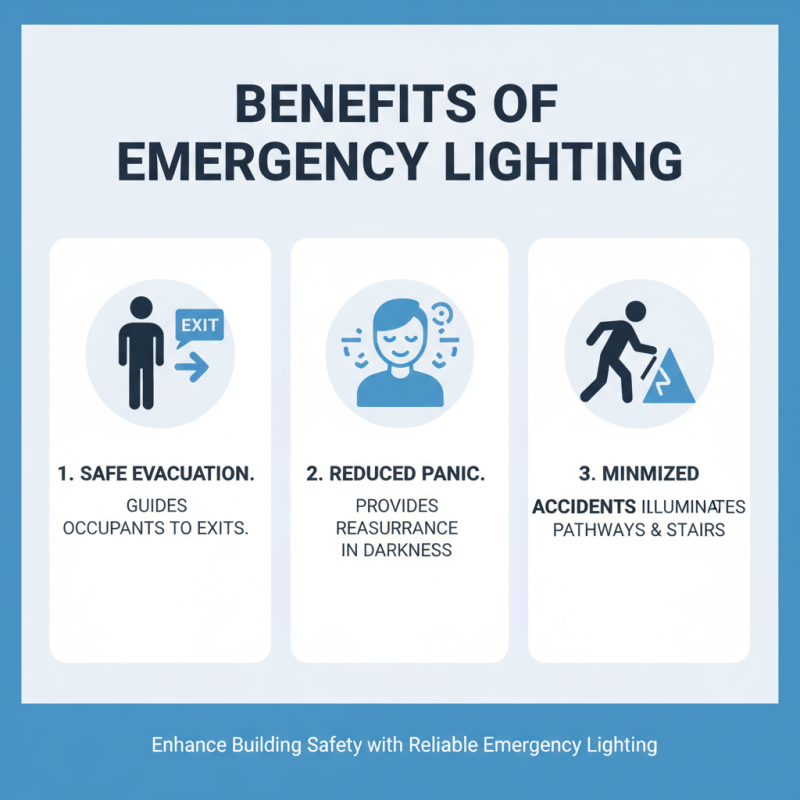
Emergency lighting is a critical component in ensuring safety during evacuations. In times of crisis, such as fires or blackouts, visibility drastically diminishes. Emergency lighting provides essential illumination that guides occupants to safety. It signals the quickest exit routes and alerts everyone to potential dangers.
Clear pathways are vital during evacuations. Emergency lighting can illuminate stairwells, hallways, and exits, making navigation easier. When panic sets in, every second counts. The absence of sufficient lighting can lead to confusion and accidents. People may trip or miss exits entirely.
However, emergency lighting systems are not infallible. Regular maintenance is necessary to ensure they function correctly when needed. Some systems may fail due to outdated technology or lack of inspection. It's crucial for building managers to conduct routine checks. Moreover, staff should be trained on the importance of emergency lighting. Awareness can significantly improve evacuation efficiency and overall safety.
Benefits of Emergency Lighting for Building Occupants
Emergency lighting plays a crucial role in enhancing safety for building occupants during unforeseen situations. It provides illumination in case of power outages or emergencies. This lighting helps individuals navigate safely out of a building, minimizing panic and confusion. Well-placed emergency lights can significantly reduce the risk of accidents in dimly lit conditions.
Tips: Regularly inspect and maintain your emergency lighting system. This ensures that all fixtures work effectively during critical moments. Consider conducting full-structure drills to familiarize occupants with the emergency exits and lighting locations.
Emergency lighting is essential not only for safety but also for peace of mind. It creates a secure environment where occupants feel protected. The visible lights act as guides, leading the way to exits. In high-traffic areas, such as hallways and stairwells, emergency lights play an even more vital role. However, it's important to be mindful of over-relying on these systems without proper training for occupants.
Tips: Train staff and occupants on emergency procedures. Understanding how to react during emergencies can save lives. Ensure everyone knows where emergency lighting is located, and review these procedures regularly.
Regulations and Standards for Emergency Lighting Systems
Emergency lighting plays a crucial role in ensuring safety during unexpected situations. Various regulations and standards govern these systems to enhance their effectiveness. For instance, the National Fire Protection Association (NFPA) sets guidelines for the installation and maintenance of emergency lighting. These standards ensure that the lighting is bright enough to guide individuals safely to exits during emergencies.
Compliance with these regulations is vital. Improperly installed systems can lead to poor visibility. This may result in confusion and injuries in critical moments. Regular testing and maintenance are often emphasized. However, many facilities overlook these requirements. Over time, batteries may weaken or bulbs may burn out. The consequences can be dire during an emergency.
Every emergency lighting system should adhere to local building codes. These codes often specify the minimum illumination levels and placement of lights. Moreover, proper signage is necessary to direct individuals during a crisis. Awareness of these standards is not just for compliance; it helps save lives. Organizations need to prioritize ongoing training on emergency procedures. Doing so can highlight the importance of reliability in emergency lighting.
What is Emergency Lighting and Why is it Important for Safety? - Regulations and Standards for Emergency Lighting Systems
| Regulation/Standard |
Description |
Application |
Maintenance Frequency |
| NFPA 101 |
Life Safety Code that outlines the requirements for emergency lighting in buildings. |
Applicable to all types of buildings, ensuring occupants can safely exit. |
Monthly testing and annual inspection. |
| ANSI/IES RP-7 |
Recommended Practice for Emergency Lighting that covers installation and performance. |
Guidance for designers on standard practices. |
Biannual maintenance checks. |
| UL 924 |
Standard for Emergency Lighting and Power Equipment. |
Regulates the safety and performance of emergency lighting fixtures. |
Annual inspections. |
| ISO 7010 |
International standard for safety signs that includes emergency exit signs. |
Required in workplaces and public areas for clear exit guidance. |
Verification during safety audits. |
Maintenance and Testing Requirements for Emergency Lighting
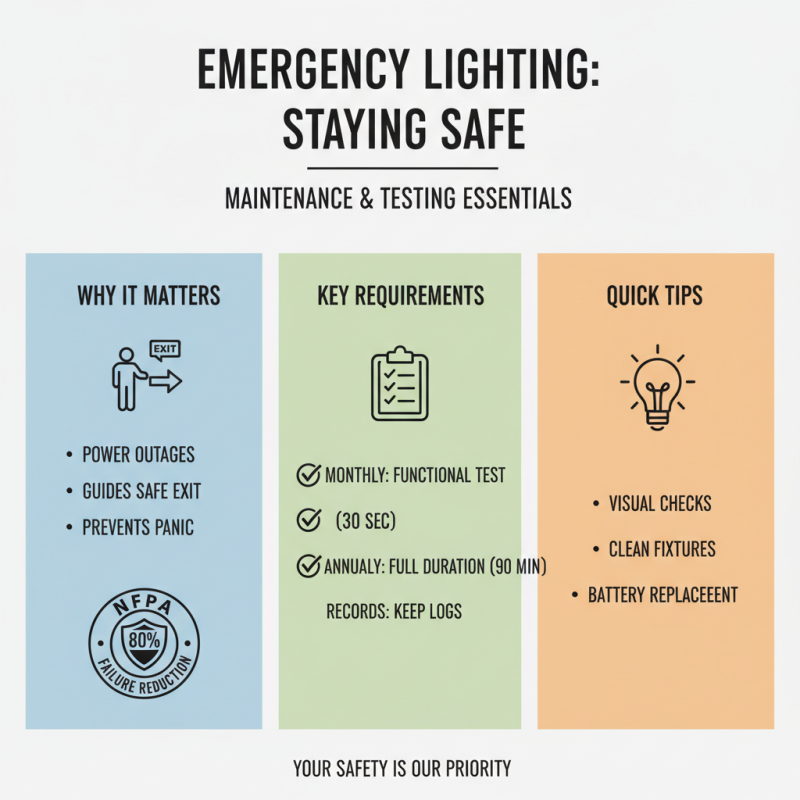
Emergency lighting plays a critical role in ensuring safety during power outages or emergencies. However, its effectiveness greatly depends on proper maintenance and testing. According to the National Fire Prevention Association (NFPA), regular testing can reduce the risk of failure by over 80%. This emphasizes the need for a robust maintenance plan.
Routine inspections should occur monthly and comprehensive testing every year. During monthly checks, it’s vital to assess the functionality of each emergency light. This means ensuring bulbs are working and batteries are charged. For annual tests, lights should run for a full 90 minutes to simulate real-life conditions. A lack of attention to these requirements can lead to dangerous situations where lighting fails when most needed.
Tips for effective maintenance include keeping records of all tests and repairs. This can help identify patterns of failure. Regular cleaning of fixtures also prevents dust build-up, which can diminish brightness. Organizations should incorporate maintenance schedules into their safety training programs, too. This helps raise awareness of the importance of emergency lighting and adherence to protocols. Remember, the cost of negligence in maintenance can far outweigh the expense of regular servicing.

 +86 18968869621
 CONTACT NUMBER