
 +86 18968869621

News

0102030405
Understanding the IP Rating System for Triple-Proof Lights
2025-03-14
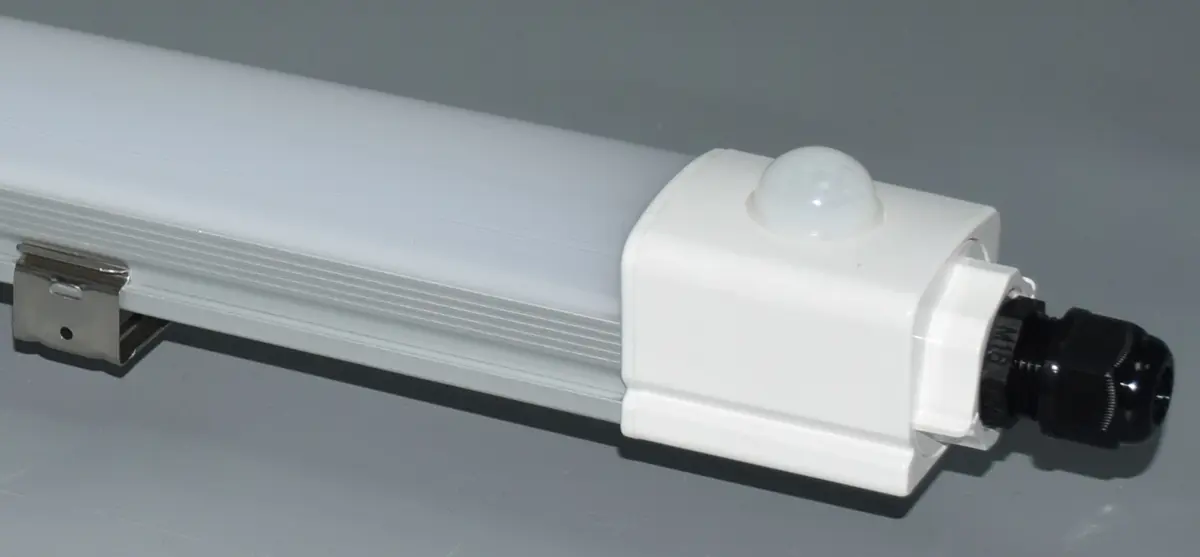
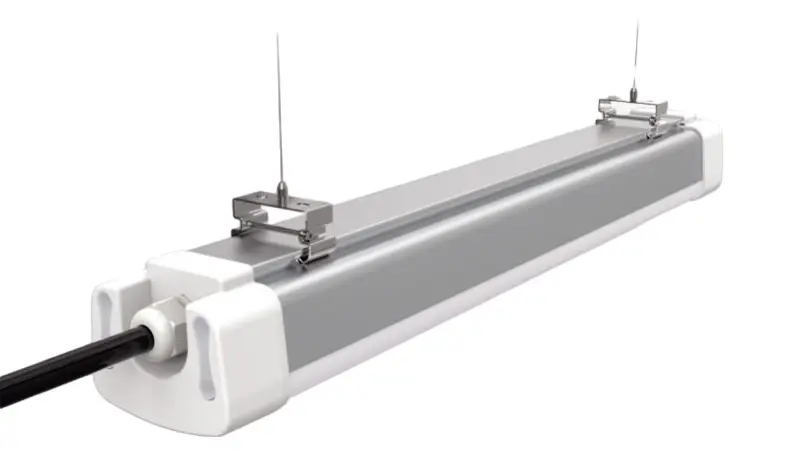
Triple-proof lights, known for their durability and resistance to harsh environments, are essential in industrial, commercial, and outdoor settings. A key feature of these lights is their Ingress Protection (IP) rating, which indicates their level of protection against solids and liquids. Understanding the IP rating system is crucial for selecting the right triple-proof light for specific applications.
The IP rating consists of two digits. The first digit represents protection against solid objects, ranging from 0 (no protection) to 6 (complete dust resistance). The second digit indicates protection against liquids, ranging from 0 (no protection) to 9 (resistance to high-pressure and high-temperature water jets). For example, a triple-proof light with an IP65 rating is dust-tight and can withstand low-pressure water jets, making it suitable for outdoor use.
IP65: This rating is common in triple-proof lights. It ensures complete protection against dust and resistance to low-pressure water jets from any direction. These lights are ideal for outdoor areas, warehouses, and industrial environments where dust and occasional water exposure are concerns.
IP66: Offering a higher level of liquid protection, IP66-rated lights can withstand powerful water jets. They are suitable for more demanding environments, such as coastal areas or places with frequent high-pressure washdowns.
IP67: These lights are not only dust-tight but can also be submerged in water up to 1 meter for 30 minutes. They are perfect for applications where temporary immersion is possible, such as in certain industrial processes or outdoor events.
IP68: With the highest level of protection, IP68-rated lights can be submerged in water deeper than 1 meter for extended periods. They are ideal for underwater lighting, marine applications, or any environment where prolonged exposure to water is expected.
Choosing the right IP rating depends on the specific environmental conditions. For instance, in a food processing plant where frequent washdowns are necessary, an IP66 or IP67 rating would be appropriate. In contrast, for underwater lighting in a pool or fountain, an IP68 rating is essential.
In conclusion, understanding the IP rating system helps in selecting the most suitable triple-proof light for various applications, ensuring durability, safety, and optimal performance in challenging environments.