
 +86 18968869621

News

0102030405
Understanding the Flame Retardant Rating System for Three-Proof Lights
2025-08-05
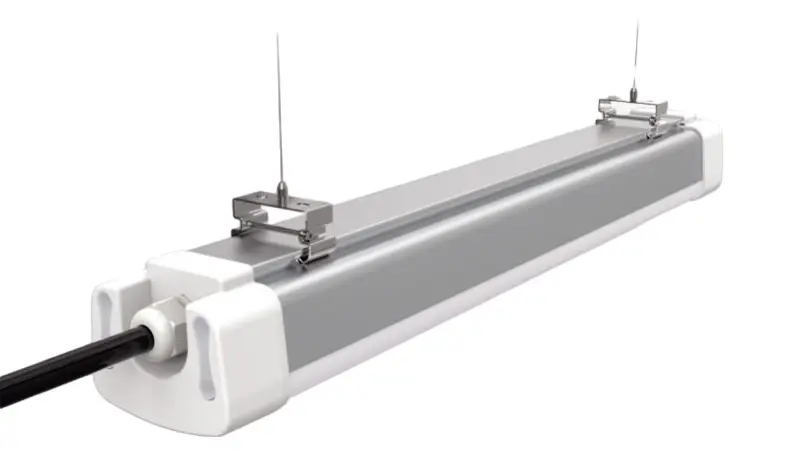
The flame retardant rating system for three-proof lights evaluates the fire resistance of materials used in their construction, critical for safety in harsh environments. Two primary standards govern these ratings globally.
The UL 94 standard, developed by Underwriters Laboratories, classifies materials through vertical and horizontal burning tests. Key vertical grades include V0, where specimens have short afterflame/afterglow times and no flaming drips that ignite cotton below; V1, with slightly longer afterflame times but non-igniting drips; and V2, allowing longer afterflame periods and potentially igniting drips. The horizontal HB grade applies to materials ≤3mm thick, requiring slow burning rates.
China’s GB/T 2408 standard mirrors UL 94’s structure, using FV-0, FV-1, FV-2 for vertical testing and HB for horizontal, ensuring consistency with international benchmarks. These ratings focus on components like housings and cables, determining their ability to resist ignition and slow flame spread.
Higher ratings (e.g., V0/FV-0) are vital for industrial, damp, or high-risk areas, minimizing fire hazards. Selecting three-proof lights with appropriate flame retardant grades ensures compliance with safety regulations and enhances protection in demanding operational conditions.