
 +86 18968869621

News
0102030405
AI and Health-Centric Designs Transform Lighting Industry
2025-12-10
The global lighting industry is undergoing a profound transformation driven by technological innovation and shifting market demands, with AI empowerment, health-focused solutions, and carbon neutrality emerging as the core trends reshaping the sector. Beyond mere illumination, modern lighting has evolved into an intelligent, human-centric system integrating technology, health science, and sustainability
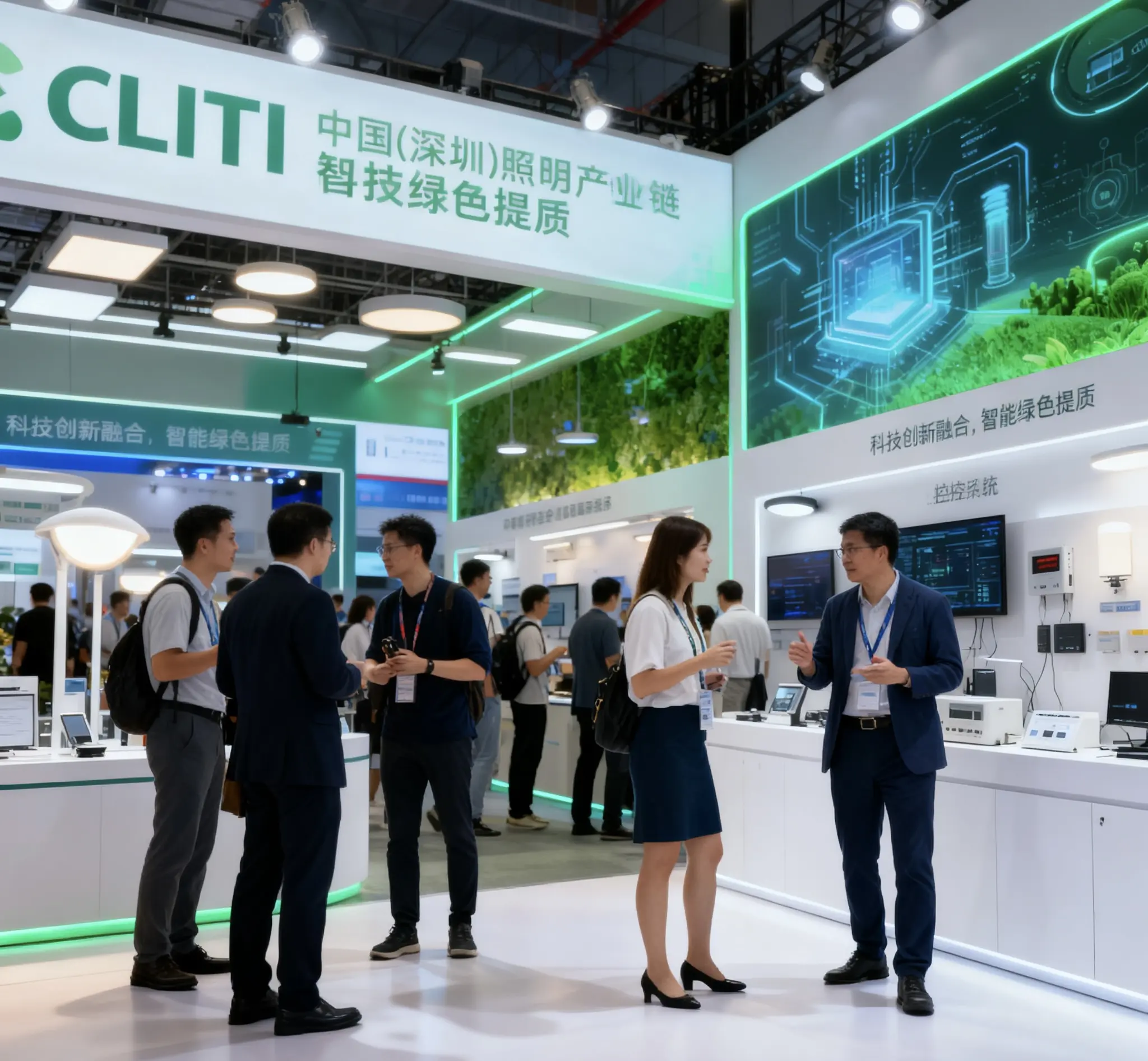
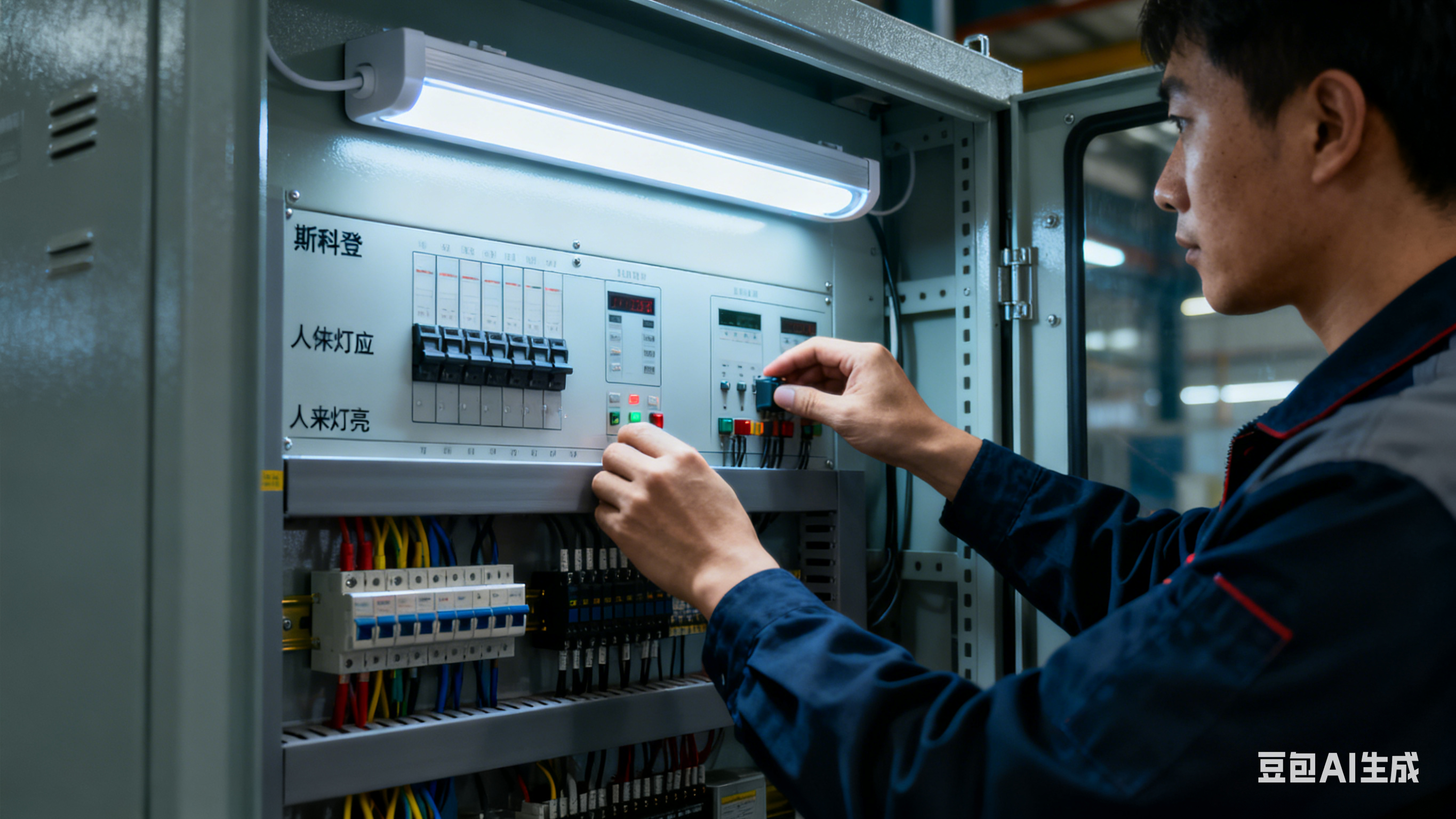
AI has become a key driver of industry upgrading, revolutionizing human-light interaction. Cutting-edge lighting systems now leverage specialized large models and AI algorithms to translate users' emotional needs—such as "wanting to relax" or "needing to focus"—into precise optical parameters. Voice control has replaced traditional remotes, enabling natural, temperature-sensitive communication between humans and lights. Additionally, AI-powered dynamic spectrum fitting technology accurately replicates natural light changes, while intelligent sensing systems adapt brightness and color temperature in real time based on environmental conditions and user activities, creating personalized light environments.
Health lighting has moved beyond parameter competition to scientific implementation. The industry is shifting from simple full-spectrum concepts to refined dynamic spectrum technology, with innovations like violet light-excited chips achieving 98% similarity to natural sunlight. These advancements eliminate visible flicker, reduce blue light hazards to RG0 exemption levels, and boost color rendering indexes (Ra > 98), effectively protecting eyesight and regulating circadian rhythms. Targeted solutions for different groups have emerged, including eye-protective lighting for children, sleep-enhancing systems that mimic diurnal light cycles, and mood-adjusting scenarios designed by international lighting experts, covering visual, sleep, and emotional health needs.
Low-carbon development and sustainability have become industry-wide commitments. Policies such as China’s Light Industry Steady Growth Work Plan (2025—2026) prioritize green transformation, promoting eco-friendly materials and energy-efficient products. Manufacturers are increasingly adopting recycled materials—from waste paper to recycled PC buckets—for lamp bodies, while 3D printing technology minimizes material waste. The sector is also advancing lifecycle carbon management, with initiatives like 100% green energy use in production and "trade-in" programs for old fixtures, aligning with global net-zero emission goals.
Market expansion is fueled by dual-circulation strategies and scenario-based innovation. Policies support cross-border e-commerce development and international standardization, driving lighting products to enter global markets. Meanwhile, demand for scenario-specific solutions is surging—from age-friendly lighting optimized for seniors’ increased illumination needs and fall-detection functions, to smart building systems integrated with IoT for energy savings of up to 35%. Industrial and commercial sectors also benefit from high-efficiency LED systems that cut energy consumption by 60-80%, highlighting lighting’s role in overall energy conservation.
As technology converges with human-centric needs, the lighting industry is redefining its value proposition—from a functional tool to a core component of healthy, intelligent, and sustainable lifestyles. With continuous breakthroughs in AI, materials, and health science, the future of lighting promises to be more adaptive, empathetic, and environmentally responsible.