What is a Waterproof Integrated Lamp and How Does it Work?
The rise of the Waterproof Integrated Lamp in recent years showcases a significant shift in lighting solutions. According to a report by the International Lighting Association, the market for waterproof lighting solutions is projected to grow by 15% annually through 2025. This growth reflects increased demand for durability in various environments, especially in outdoor and wet applications.
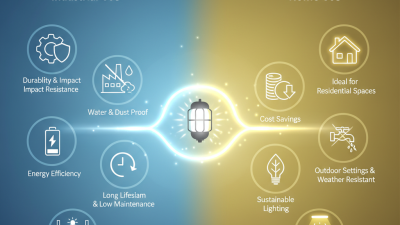
Dr. Emily Parker, a lighting technology expert, highlights that "Waterproof Integrated Lamps are essential for ensuring safety and efficiency." These lamps combine advanced LED technology with waterproof designs, making them ideal for challenging conditions. They effectively resist water exposure and dust, ensuring long-term performance.
Nonetheless, some challenges remain. Manufacturers often grapple with balancing cost and reliability in production. The technology behind these lamps is evolving, yet issues like waterproof sealing can still be improved. As the industry matures, a focus on innovation and user feedback will be vital for overcoming these limitations in the Waterproof Integrated Lamp sector.
What is a Waterproof Integrated Lamp?
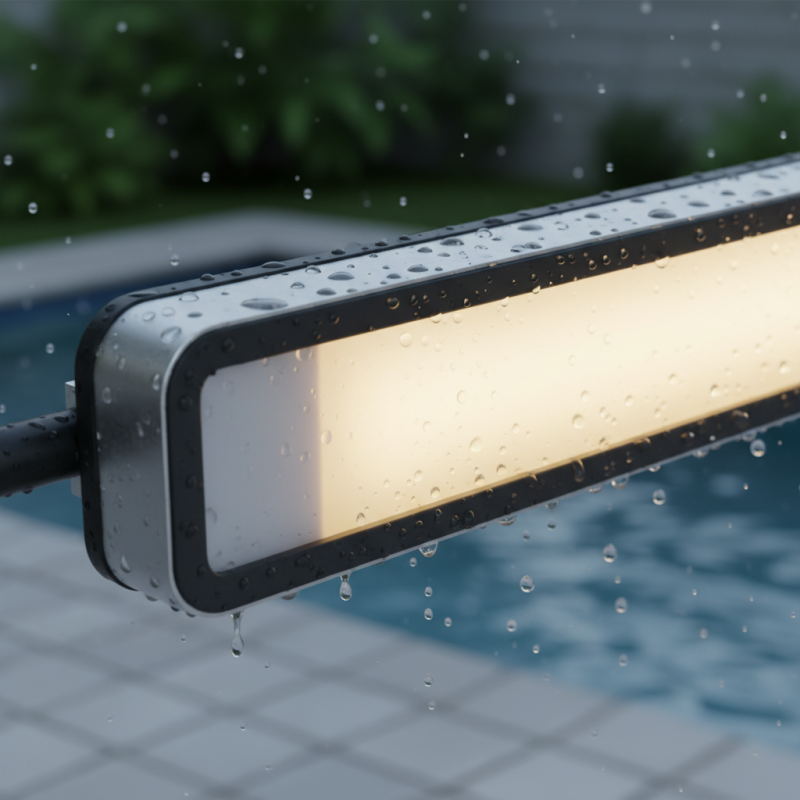
A waterproof integrated lamp is a versatile lighting solution designed for both indoor and outdoor use. Its construction ensures that it remains unaffected by rain, humidity, and moisture. These lamps are typically made with durable materials that enhance their resistance to water and elements. This makes them ideal for gardens, patios, or even bathrooms. They not only provide illumination but also add aesthetic value to spaces.
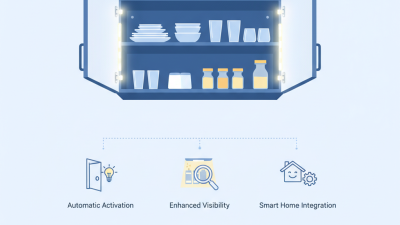
The functionality of these lamps often combines several components, such as LEDs, power supplies, and sensors. The integration means fewer loose parts, which can lead to a sleeker design. However, this can also pose challenges. If one component fails, the entire unit may need replacing. This is a point of reflection. Users must consider maintenance and durability. Investing in a waterproof lamp means choosing quality over quantity in the long run.
Despite their many advantages, waterproof integrated lamps may not be perfect. Some models can be less bright than traditional fixtures. Users may find themselves adjusting to a different kind of glow. Making the right choice involves balancing the look and functionality. Preferences often vary from person to person, which can complicate the decision-making process.
What is a Waterproof Integrated Lamp and How Does it Work?
| Feature |
Details |
| Type |
Integrated LED Lamp |
| Water Resistance Rating |
IP65 |
| Power Source |
AC 110-240V |
| Lumen Output |
800-1200 Lumens |
| Color Temperature |
3000K - 6500K |
| Average Lifespan |
25,000 hours |
| Application Areas |
Outdoor spaces, bathrooms, kitchens |
| Installation Type |
Surface Mount |
Key Features and Benefits of Waterproof Integrated Lamps
Waterproof integrated lamps are essential for various environments. They combine lighting and power sources in a seamless design. Their primary appeal lies in durability and efficiency. These lamps are designed to resist moisture, dust, and temperature fluctuations, making them suitable for outdoor and wet locations. According to recent industry studies, waterproof fixtures can enhance safety and significantly reduce replacement costs.
Key features include high IP ratings, which assess their resistance to water and solids. Many models achieve ratings of IP65 or higher. This ensures preventions against water jets and limited dust ingress. They also offer energy efficiency, often exceeding 80% compared to traditional lighting solutions. This translates into lower electricity bills and a smaller carbon footprint.
Tips: When selecting a waterproof integrated lamp, check for certification labels and warranty information. This can help ensure you are choosing a quality product. Remember, proper installation is crucial. An improperly placed lamp can lead to failure, even in waterproof designs. Regular maintenance checks can extend the lifespan, ensuring effective lighting for years to come.
Efficiency Comparison of Waterproof Integrated Lamps
This chart illustrates the lumen output of waterproof integrated lamps across different power categories. The low power lamps output around 800 lumens, while medium and high power options provide 1600 and 2400 lumens, respectively, showcasing their efficiency in illumination.
How Waterproof Integrated Lamps Utilize LED Technology
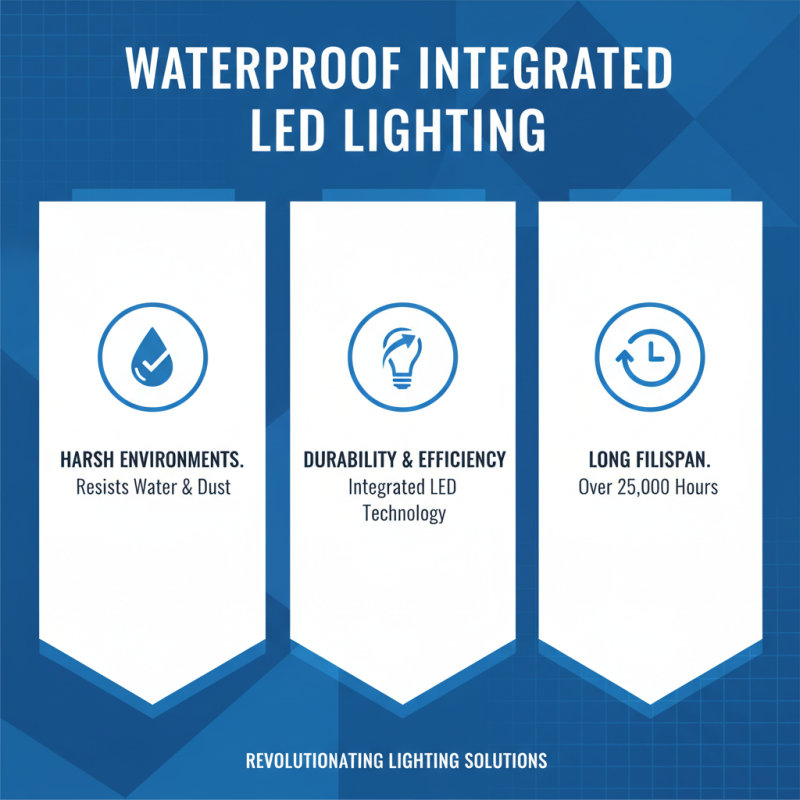
Waterproof integrated lamps are revolutionizing lighting solutions, especially in harsh environments. Utilizing LED technology, these lamps offer durability and efficiency. LEDs are known for their long lifespan, averaging over 25,000 hours. This is a significant improvement over traditional bulbs, which can burn out quickly in wet conditions.
These lamps are designed to withstand water exposure, classified under IP ratings. An IP68 rating, for instance, means they can endure continuous immersion in water. This feature makes them ideal for outdoor use or in areas prone to moisture. The integration of LEDs ensures energy efficiency. Reports show that LEDs use about 75% less energy than incandescent bulbs. This makes an enormous difference in power consumption.
Tips: When choosing a waterproof integrated lamp, consider the environment. Look for fixtures with high IP ratings. Evaluate the lumen output based on your lighting needs. Remember, not all waterproof lamps are created equal. Sometimes, a slightly lower-rated lamp may perform better in specific scenarios. Consider installation and maintenance challenges. Regularly check seals to ensure continued protection against water. This helps in retaining their waterproof quality over time.
Applications of Waterproof Integrated Lamps in Various Industries
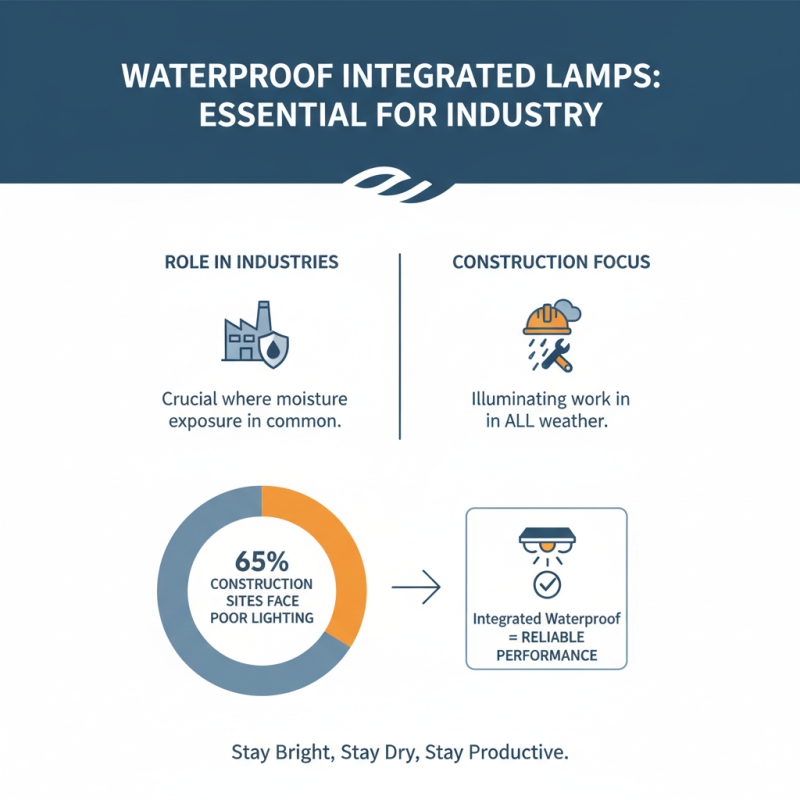
Waterproof integrated lamps play a crucial role in various industries, especially where exposure to moisture is common. In construction, these lamps are essential for lighting up work areas even in rainy conditions. Reports indicate that 65% of construction sites face challenges due to poor lighting. Integrating waterproof features ensures that these lights maintain performance regardless of environmental factors.
In the marine sector, waterproof integrated lamps are necessary for navigation and safety. A study from the Maritime Safety Administration shows that 75% of marine accidents occur in poorly lit conditions. Using high-quality waterproof lighting can effectively reduce these incidents.
Tips: Ensure that the light's IP rating meets the demands of your environment. A higher rating indicates better water resistance. Regular maintenance is essential, as even waterproof features can degrade over time. This helps to prevent unexpected failures and ensures reliable performance.
There is still room for improvement in lamp designs. Some features may be overengineered, leading to higher costs without significant benefits. Users should reflect on their actual needs before making a purchase. Balancing cost and benefits is key to effective lighting solutions in wet environments.
Industry Standards and Certifications for Waterproof Lighting Solutions
Waterproof integrated lamps are essential in various industries. Understanding industry standards is crucial for ensuring safety and effectiveness. Organizations like the International Electrotechnical Commission (IEC) and Underwriters Laboratories (UL) establish guidelines for waterproof solutions. For instance, the IEC 60529 standard classifies the level of protection against water and dust. It uses an IP rating system, with IP68 being the highest, indicating full protection against immersion.
According to a recent market report, the global waterproof lighting market is projected to grow at a compound annual growth rate (CAGR) of 10.2% from 2023 to 2030. More industries are recognizing the need for such solutions due to increasing outdoor activities and tougher environmental regulations. Compliance with industry standards ensures that these products can withstand real-world conditions, maintaining functionality even in harsh climates.
However, not all manufacturers adhere to these necessary standards. This inconsistency can lead to safety hazards and product failures. Some waterproof lamps may fail in wet conditions, risking damage and injury. Therefore, consumers should carefully research certifications before making decisions. Awareness of industry standards is vital. It can prevent costly mistakes and enhance safety in installations.

 +86 18968869621
 CONTACT NUMBER