Top 10 Explosion Proof Lights You Should Know About?
When it comes to hazardous environments, safety is paramount. Explosion Proof Lights are essential in ensuring visibility and protection. These lights are designed to operate in areas with flammable gases or dust. Knowing the right options is crucial for businesses and workers alike.
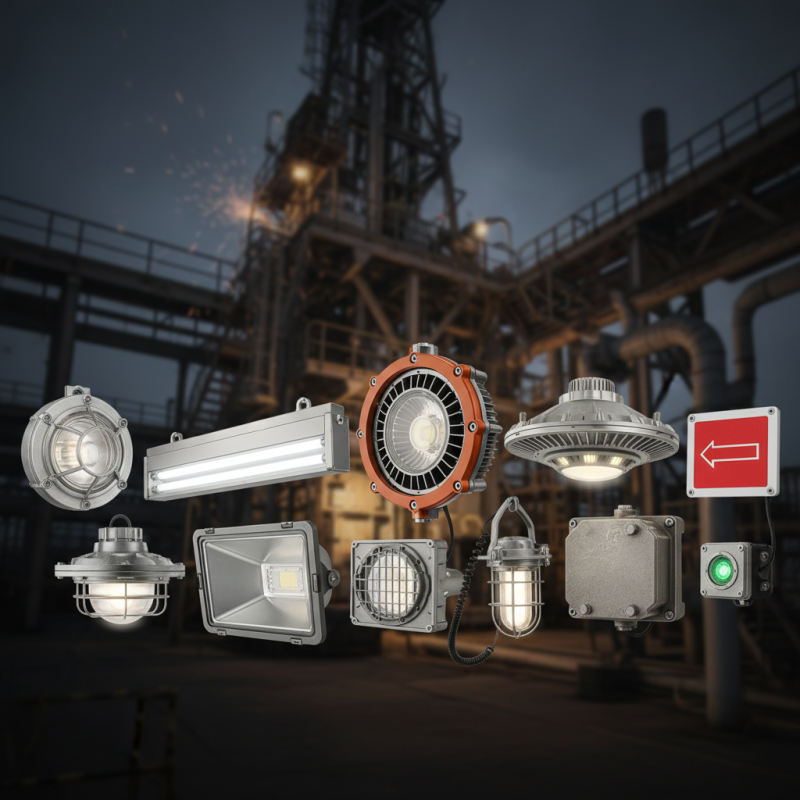
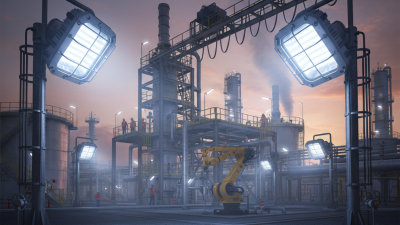
Explosion Proof Lights come in various styles and specifications. They can be used in factories, oil rigs, and chemical plants. Each type has distinct features that cater to specific needs. These lights endure harsh conditions while maintaining efficiency and safety.
However, choosing the right explosion-proof option can be challenging. Not all lights meet the required safety standards. Some might lack the necessary certifications. A poor choice could lead to severe consequences. Understanding the top options available can help mitigate risks and enhance workplace safety.
Top 10 Explosion Proof Lights: A Comprehensive Overview of Features
When selecting explosion-proof lights, safety and reliability are paramount. These lights are designed to prevent ignitions in hazardous environments. Key features include durable housing, often constructed from materials like aluminum or polycarbonate. They also come with weatherproof ratings to endure harsh conditions. These lights may include various brightness levels, providing versatility for different applications.
The installation process can be tricky. Some units require professional consultation for proper mounting. It’s vital to check the area classification before installation. A common oversight is underestimating the required lumen output. Some users have reported dim lighting in areas with heavy equipment. Selecting the right fixture depends largely on specific needs and location.
Energy efficiency is an essential consideration. LED options are growing in popularity, reducing operating costs significantly. However, the initial investment can be daunting. Long-term maintenance is another aspect to ponder. Regular checks are necessary to ensure safe operation. Even well-made lights can experience wear over time. It's often easy to forget about routine inspections. This oversight can lead to major safety risks.
Understanding the Importance of Explosion Proof Lighting in Hazardous Areas
In hazardous areas, explosion proof lighting is crucial for safety. These environments often contain flammable gases, dust, or vapors. Standard lights may ignite these materials, causing catastrophic events. Explosion proof lights are designed to prevent such incidents. They are robust, with specialized housings to contain explosions if they occur.
Choosing the right lighting requires understanding environment specifics. For instance, where is the light installed? What substances are present? This knowledge helps in selecting appropriate fixtures. Many might not consider the impact of light placement. Poor positioning can lead to shadows that hide potential hazards. Proper illumination can reduce accidents.
Regular maintenance is also vital. Damaged fixtures or improper lighting can increase risks. Inspections should occur frequently to ensure functionality. Failing to act can lead to dangerous scenarios. Reflect on the systems in place. Are they truly effective? Investing in quality explosion proof lighting is not just a choice; it’s a necessity for protecting lives and property.
Top 10 Explosion Proof Lights - Brightness Levels Comparison
Key Industry Standards and Certifications for Explosion Proof Lights
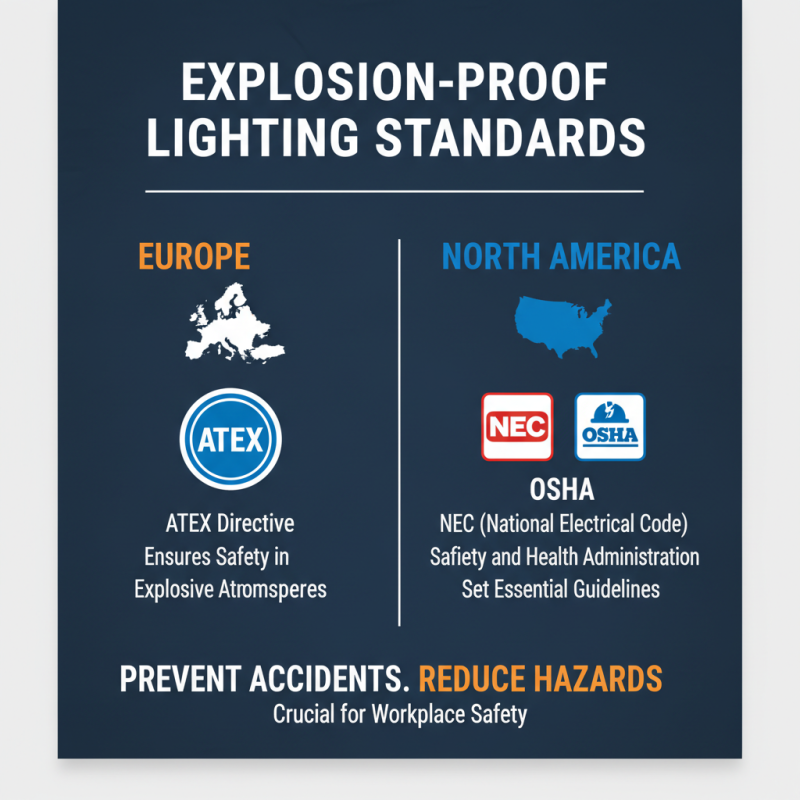
When considering explosion-proof lights, understanding industry standards is crucial. The most recognized certification is the ATEX directive in Europe, which ensures safety in explosive atmospheres. In the U.S., the NEC (National Electrical Code) and the OSHA (Occupational Safety and Health Administration) set essential guidelines. These regulations help prevent accidents, reducing workplace hazards.
Additionally, lights must meet specific performance standards, such as IP ratings for dust and water resistance. For instance, an IP65 rating indicates that the fixture is dust-tight and protected against water jets. This is crucial in areas like oil refineries and chemical plants where environmental conditions can vary.
Tips: Always check certifications before purchase. Look for products that have undergone rigorous testing. Regular maintenance is essential too. Inspect for any signs of wear or damage. Remember, even certified products can have issues if not well cared for.
Comparative Analysis of the Leading Brands in Explosion Proof Illumination
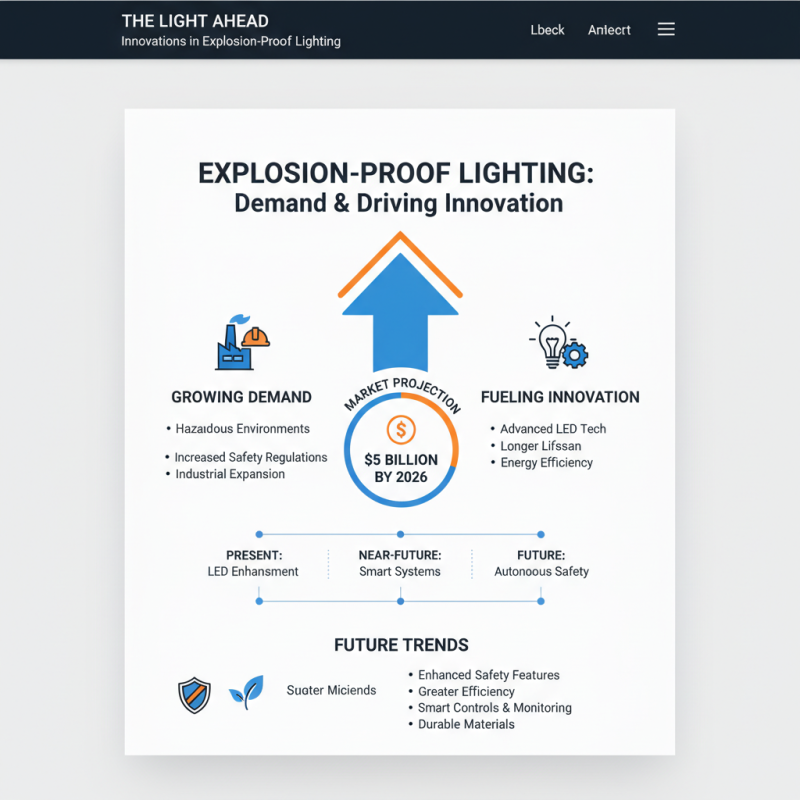
When it comes to explosion-proof lights, brands vary in terms of quality and performance. A recent report shows that the global explosion-proof lighting market is projected to reach $6.04 billion by 2027, driven by safety regulations in hazardous industries. Different brands offer various features like LED technology, brightness levels, and energy efficiency. Understanding these differences can influence safety and productivity.
Tips: Always check the lumens output of lights. Higher lumens mean brighter illumination crucial in explosive environments. It's important to consider the specific location where the lights will be used. Indoor settings might require different specifications compared to outdoor ones.
Regular maintenance of explosion-proof lights is essential. A study indicates that 20% of incidents occur due to improper upkeep of lighting fixtures. Users often overlook this aspect. Ignoring maintenance can lead to failures when safety is critical. Perform routine inspections to ensure optimal performance.

 +86 18968869621
 CONTACT NUMBER