2026 Top Emergency Lights for Global Buyers What to Choose?
In the ever-evolving market of Emergency Lights, global buyers face a daunting challenge. Experts like John Smith, a recognized authority in safety equipment, emphasize, “Choosing the right Emergency Lights can be lifesaving.” His insight underscores the criticality of informed selection.
Navigating the myriad options available can overwhelm buyers. From LED to halogen lights, each type serves different needs. Some provide extended battery life, while others prioritize brightness. Yet, many consumers overlook essential safety features, leading to potential disasters in emergencies.
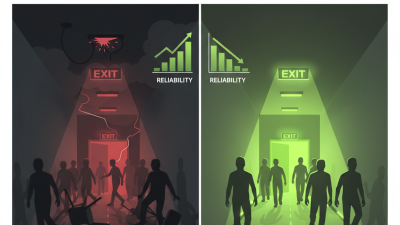
Moreover, the reliability of Emergency Lights cannot be overstated. According to industry reports, subpar products have failed when needed most. Reflecting on this, one must question: Are we investing wisely? Torn between features and price, it’s vital to prioritize quality and trustworthiness. The right Emergency Lights can ensure safety and peace of mind when darkness falls.
Key Features to Consider When Choosing Emergency Lights
When selecting emergency lights, crucial features must be prioritized.
Brightness is key. A lumen output of 200 to 500 is essential for indoor use. For outdoor settings, aim for 800 lumens or more. Studies show that effective brightness significantly enhances visibility during emergencies.
Battery life is another critical factor. Look for lights with at least 10 hours of operation. Some studies indicate that 40% of emergency situations occur when least expected, often with power outages involved. Reliability becomes paramount. Investigate advancements in battery technology, such as lithium-ion batteries. These provide longer life and better performance.
Portability plays a vital role too. Lightweight designs allow for easy transport. Many responders prefer smaller units that are easy to handle during crises. Lastly, durability is essential. An emergency light should withstand harsh conditions. Consider IP ratings, as they indicate water and dust resistance. The demand for robust emergency lighting is on the rise, reflecting the need for dependable solutions.
Types of Emergency Lights: A Comprehensive Overview
Emergency lights are vital for safety in various situations. Many industries rely on them. These can help during power outages, fires, and emergencies. According to a report by Grand View Research, the global emergency lighting market is projected to reach $9.4 billion by 2025. This growth signals a rising demand for reliable emergency lights across sectors.
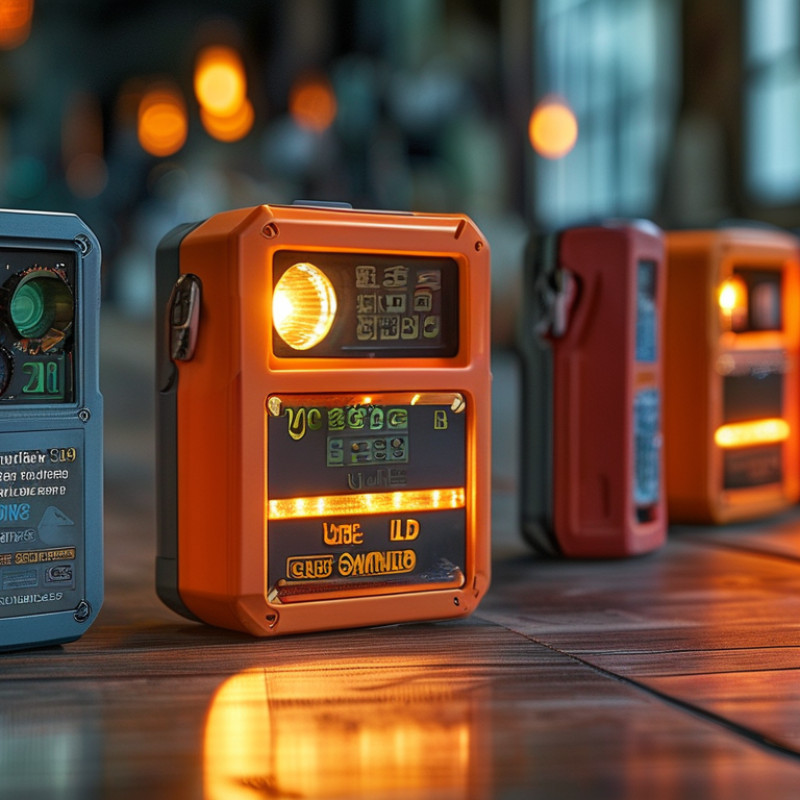
Types of emergency lights vary widely. Battery-operated lights, LED markers, and exit signs cater to different needs. Battery-operated lights provide portable solutions. LED lights are energy-efficient and have longer lifespans. Exit signs are essential in guiding people during evacuations. Choosing the right type is crucial for effectiveness.
**Tips:** Always test emergency lights monthly. Ensure they are visible in all conditions. Regular maintenance can save lives. Furthermore, consider the specific environment where the lights will be used. A selection that works well in one setting may not suit another. Also, keep in mind that not all emergency lights are created equal. Some may fail when needed most, so rely on reliable sources for selection.
2026 Top Emergency Lights - Types and Popularity
Top Brands in the Emergency Lighting Market for 2026
As we look ahead to 2026, the emergency lighting market stands poised for significant advancements. Buyers need to consider several top brands known for their reliability and innovation. These brands focus on providing effective solutions that meet safety standards. Their offerings cover a range of requirements, ensuring you can find suitable options for different environments.
Choosing the right emergency lights involves understanding specific needs. Battery life, brightness, and ease of installation are crucial factors. Some brands excel in compact designs while maintaining high performance. This balance is essential for users facing space constraints. However, not all options are perfect. Some may have limitations in battery capacity or lumens output. It's wise to weigh these factors carefully.
Moreover, the increasing emphasis on sustainability is shaping the market. Many brands are integrating eco-friendly materials and energy-efficient technologies. This shift highlights a growing trend toward greener solutions in emergency lighting. Buyers should reflect on how these choices align with their values and operational needs. This consideration can enhance not just safety but also environmental responsibility.
Factors Affecting the Performance of Emergency Lights
When choosing emergency lights, several critical factors affect their performance. Brightness is a key component. A study by the Lighting Research Center indicates that higher lumen output leads to better visibility during emergencies. The duration of light output is equally important. Long-lasting batteries provide peace of mind. According to industry reports, lights with a runtime of over 8 hours are preferred in most emergencies.
**Tip:** Always check the battery type. Lithium batteries generally offer a longer lifespan than alkaline ones.
Another factor to consider is the weather resistance of emergency lights. Many emergencies occur in adverse conditions. Lights with waterproof ratings (IP66 or higher) will perform better in such situations. Additionally, the weight and portability of lights can influence their practicality. Lightweight, compact designs are easier to transport.
**Tip:** Test your emergency lights regularly. A functional test can ensure they work when you need them most.
Considering these factors can significantly impact your choice of emergency lights. Focus on reliable options that cater to specific emergency needs. Look for products that combine durability, brightness, and convenience. Remember, having the right light can make a difference in a critical situation.
2026 Top Emergency Lights for Global Buyers - Factors Affecting Performance
| Light Type |
Brightness (Lumens) |
Battery Life (Hours) |
Charging Time (Hours) |
Weight (kg) |
Price (USD) |
| LED Floodlight |
4000 |
10 |
4 |
2.5 |
75 |
| Portable Lantern |
1200 |
12 |
6 |
1.0 |
50 |
| Headlamp |
350 |
8 |
2 |
0.3 |
30 |
| Emergency Beacon |
700 |
15 |
3 |
0.5 |
40 |
Global Market Trends in Emergency Lighting for Buyers
In recent years, the global market for emergency lighting has seen considerable growth. This trend is driven by increased awareness of safety and the need to comply with strict regulations. Buyers from various sectors, including commercial, residential, and industrial, are increasingly seeking reliable solutions.
When selecting emergency lights, consider efficiency and durability. Look for products that provide bright illumination and long battery life. These features are essential during power outages or emergencies. It's vital to choose lights that meet local standards and certifications, ensuring they perform reliably when needed the most.
Tips: Always check the beam angle before buying. A wider beam offers better visibility. Consider the environment where the lights will be used. Harsh conditions may require tougher materials. Test the products yourself if possible. Hands-on experience can reveal strengths and weaknesses that specifications might not show. Prioritize products that have received positive feedback from other buyers to ensure quality and reliability.

 +86 18968869621
 CONTACT NUMBER