Top 10 China Explosion Proof Lights for Safety and Durability in Hazardous Areas?
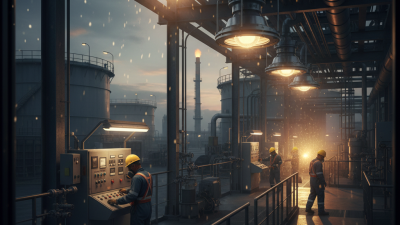
In industries where hazardous materials are present, safety is paramount. Dr. Emily Chen, a leading expert in industrial safety solutions, states, “Choosing the right Explosion Proof Lights can save lives in perilous environments.” These lights are designed to withstand harsh conditions. They prevent ignitions that could lead to catastrophic explosions.
Various settings require unique features in Explosion Proof Lights. Some might need high lumens for visibility, while others prioritize durability. The right choice ensures reliable illumination without compromising safety. However, not all products meet the stringent standards necessary for hazardous areas. It's essential to research and select certified options.
In exploring the top 10 Explosion Proof Lights for safety and durability, it becomes clear that not every product on the market will meet crucial safety requirements. This highlights the importance of informed decisions. Quality lighting should not be an afterthought in perilous workspaces; it is a necessity for operational integrity and safety.

Overview of Explosion Proof Lights and Their Importance in Hazardous Areas
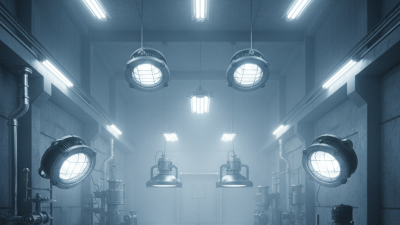
Explosion proof lights are crucial for ensuring safety in hazardous environments. These areas often contain flammable gases, vapors, or dust that can easily ignite. Using standard lighting in such locations poses significant risks. Explosion proof lights are designed to withstand these dangers. They feature robust enclosures that prevent flames or sparks from escaping. This design minimizes the likelihood of ignition.
Moreover, explosion proof lights must adhere to strict regulations and standards to be deemed reliable. These regulations evaluate their durability and performance under extreme conditions. For instance, they need to function effectively in high temperatures or corrosive environments. This involves using specialized materials that resist wear and tear. Not every lighting solution meets these criteria, highlighting the importance of selecting quality products.
However, not all explosion proof lights are created equal. Users may overlook vital specifications, which can lead to poor choices. Information about the installation and maintenance is often unclear. Understanding these factors is essential for maximizing safety and functionality. Inadequate knowledge can result in significant hazards, requiring careful consideration and proper training in the use of these lights.
Top 10 China Explosion Proof Lights for Safety and Durability in Hazardous Areas
| Model |
Voltage (V) |
Luminous Flux (lm) |
Material |
Ingress Protection Rating |
Weight (kg) |
Typical Applications |
| EXL-1000 |
220 |
12000 |
Aluminum Alloy |
IP67 |
5.5 |
Oil & Gas Industry |
| EXL-1200 |
110 |
15000 |
Fiber Reinforced Plastic |
IP66 |
6.0 |
Chemical Plants |
| EXL-1500 |
220 |
18000 |
Stainless Steel |
IP68 |
7.5 |
Mining Operations |
| EXL-2000 |
220 |
20000 |
Aluminum Alloy |
IP65 |
6.5 |
Petrochemical Plants |
| EXL-2500 |
110 |
22000 |
Thermoplastic |
IP67 |
8.0 |
Food Processing |
| EXL-3000 |
220 |
25000 |
Aluminum Alloy |
IP66 |
9.0 |
Marine Applications |
Key Safety Standards and Certifications for Explosion Proof Lights
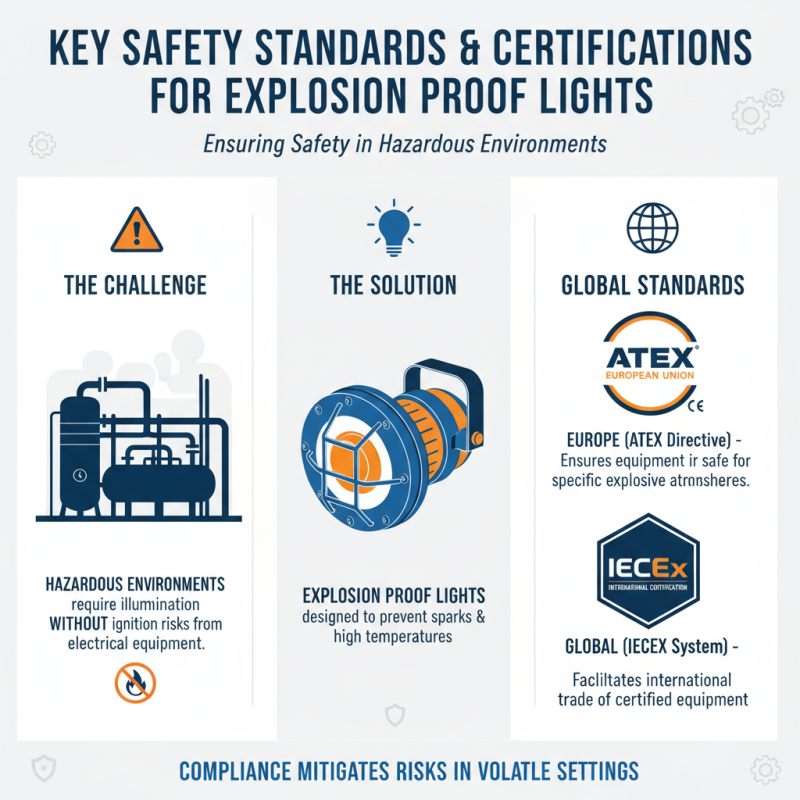
In hazardous environments, safety is paramount. Explosion proof lights play a critical role in ensuring visibility without creating ignition risks. These lights need to adhere to specific safety standards. In many regions, ATEX and IECEx are the primary certifications for such equipment. They ensure products meet rigorous safety requirements. Compliance with these standards helps mitigate risks in volatile settings.
It’s important to know these certifications are not all-encompassing. Some lights may pass basic tests yet still pose risks. Regular inspections should occur to ensure ongoing safety. A product that is compliant today may not be safe after wear and tear. Color temperature and lumen output matter, as they can affect visibility. Poor quality lights might emit flickering light or fail suddenly, risking safety.
Ignoring certification requirements can lead to catastrophic results. Facility managers must prioritize investing in reliable products. Staying informed about updates in safety standards is also crucial. Revisiting safety protocols regularly can prevent oversight. Ultimately, the focus should be on creating a safe working environment for everyone.
Top Features to Consider When Selecting Explosion Proof Lights
Selecting the right explosion-proof lights requires careful consideration of several key features.
Safety ratings are crucial. Look for lights certified under global standards, such as ATEX or IECEx.
These certifications ensure the product can withstand hazardous environments.
According to the International Electrotechnical Commission, about 30% of industrial accidents occur due to inadequate lighting in explosive areas.
Durability is another essential aspect. Explosion-proof lights should be made from robust materials like polycarbonate or aluminum.
IP ratings are indicators of an enclosure’s protection level. An IP65 rating, for example, signifies resistance to dust and water.
A study from a safety equipment research group found that over 50% of light failures in industrial settings stem from environmental exposure rather than inherent product flaws.
Energy efficiency impacts both safety and operational cost. Lights with
LED technology consume less power and emit less heat. This is vital in explosive atmospheres where excessive heat can trigger events.
Experts estimate that upgrading to LED lighting can reduce energy consumption by 40-60%.
However, there might be a trade-off; the initial investment in quality explosion-proof lights can be significant.
Users must weigh upfront costs against long-term savings and safety.
Review of the Top 10 China Explosion Proof Lights for Different Applications
In hazardous environments, selecting the right explosion-proof lights is crucial. These lights ensure safety and are designed to withstand extreme conditions. According to industry reports, nearly 30% of workplace accidents in hazardous areas stem from inadequate lighting. This reinforces the need for high-quality explosion-proof lighting solutions.
When choosing lights, consider the application. For outdoor use, look for fixtures with high IP ratings to resist moisture and dust. For confined spaces, compact designs offering high lumen outputs are essential. A typical explosion-proof light should meet ATEX or IECEx standards, ensuring it can operate safely in explosive atmospheres. According to regulatory guidelines, proper lighting can reduce accident risks by up to 50%.
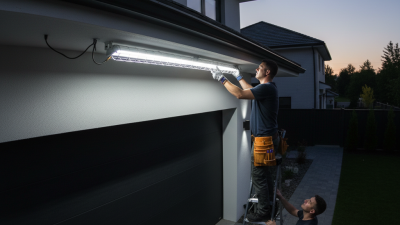
**Tips:** Regular maintenance is essential. Inspect your lights frequently to ensure they function correctly. Even with robust designs, wear and tear can occur. Always keep spare bulbs on hand to avoid delays in operations. Lastly, consider consulting professionals for installation to maximize safety and efficiency.
Top 10 China Explosion Proof Lights for Safety and Durability
This chart displays the durability ratings of the top 10 explosion proof lights manufactured in China. The ratings are based on various durability tests conducted in hazardous areas, showcasing the reliability and safety of each product.
Maintenance and Best Practices for Ensuring Durability in Hazardous Environments
In hazardous environments, maintaining explosion-proof lights is essential for safety and longevity. Regular upkeep prevents equipment failures and enhances operational efficiency. Reports from the National Fire Protection Association indicate that proper maintenance can reduce risks by up to 50%. Ignoring maintenance can lead to unsafe conditions and costly downtime.
Routine inspection is crucial. Check for corrosion, damaged wiring, and signs of wear. Replace any components that show signs of degradation. Dust and contaminants can accumulate, reducing light efficiency. Ensure fixtures are cleaned regularly, especially in dusty industrial settings.
Tip: Create a maintenance schedule. Consistency is key. Use checklists to track inspections and repairs. It ensures no steps are overlooked.
Training staff is also vital. Workers should know how to operate and maintain lights properly. Familiarize them with common issues and signs of malfunction. A well-informed team can react quickly to potential problems.
Tip: Conduct regular training sessions. Preventative measures save time and money. Paying attention to small details fosters a culture of safety in hazardous areas.

 +86 18968869621
 CONTACT NUMBER