Ultimate Tips for Choosing the Right Dimmer Light?
Choosing the right dimmer light can transform your living space. The right dimmer not only adjusts brightness but also enhances mood. It’s essential to consider various factors when selecting a dimmer light.
Compatibility with your bulbs is crucial. LED, incandescent, and halogen bulbs may require different dimmer models. Researching which dimmers work best with your lighting system makes a significant difference. A poor match can lead to flickering or buzzing noises.
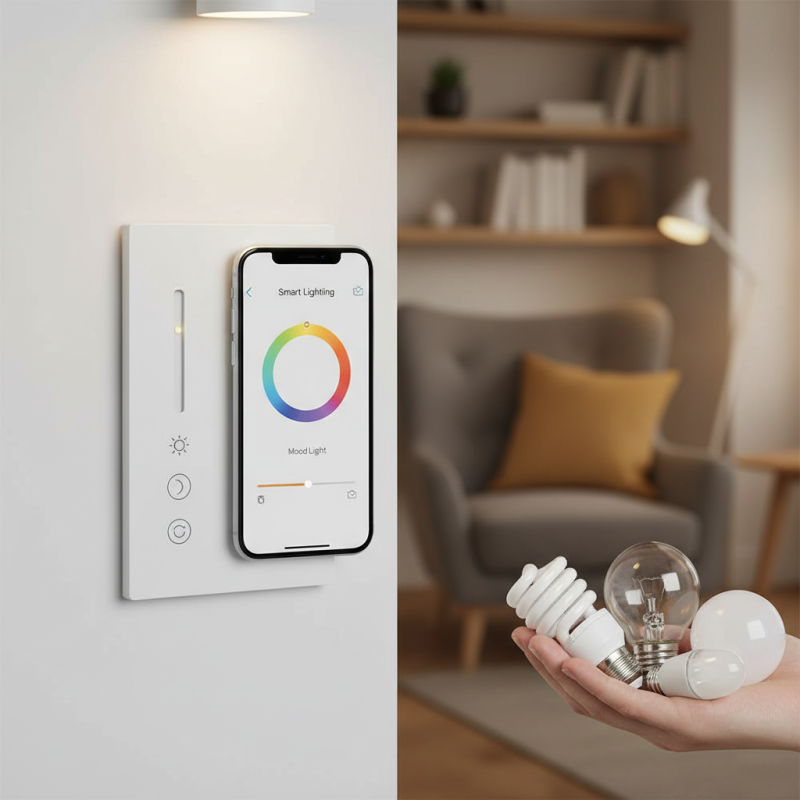
Don’t overlook the design and features of the dimmer switch. Some models offer smart technology, allowing control via apps or voice. While it may seem convenient, it can also complicate basic use. Reflect on whether you truly need those extras. Ultimately, the goal is to create a comfortable and inviting atmosphere. A well-chosen dimmer light should enhance, not hinder, that experience.
Understanding the Different Types of Dimmer Lights Available
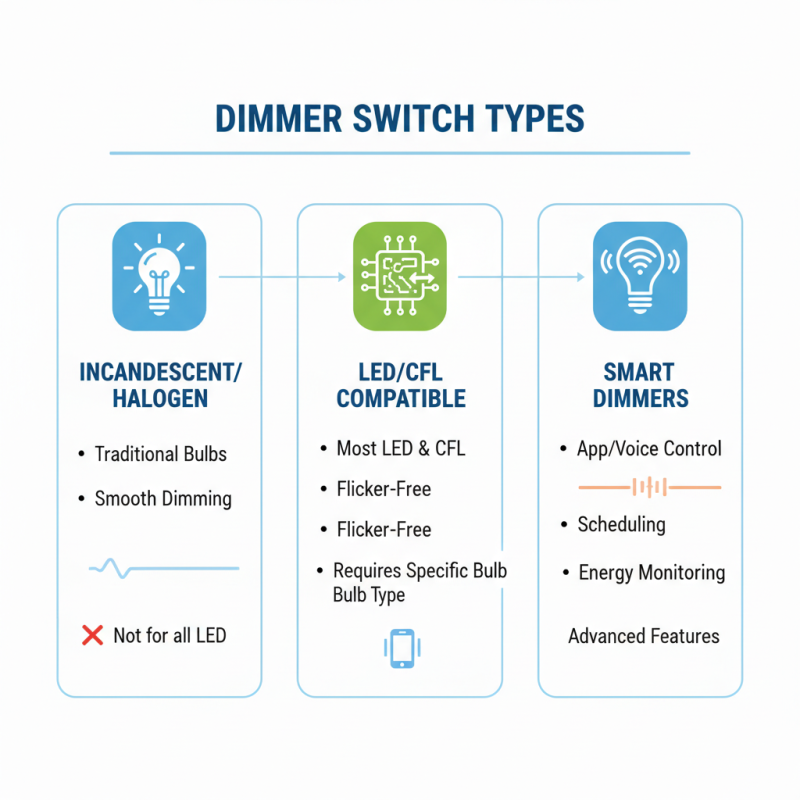
When selecting a dimmer light, it’s crucial to understand the various types available. There are several categories, each designed for different lighting applications. Standard incandescent dimmers are widely used and easy to install. These are suitable for traditional bulbs and offer smooth dimming capabilities. However, limitations exist. They may not be compatible with all LED lights, leading to flickering.
LED dimmers are specifically engineered for energy-efficient bulbs. Reports indicate that LED dimmers can save up to 20% more energy compared to standard options. They provide better compatibility with modern lighting trends and reduce the risk of overheating. Complexity arises when choosing the right one. Some LED dimmers require special wiring, complicating installation for average homeowners.
For those focused on smart homes, smart dimmers can be a game changer. They allow for remote control and scheduling via apps. According to industry research, over 50% of homeowners are considering smart lighting solutions. Yet these advanced options can lead to confusion. Compatibility with other smart devices is a common concern. Shoppers need to assess their current setup before committing. Remember, not all dimmers suit every light type. Take time to research before you leap.
Key Factors to Consider for Selecting a Dimmer Switch
When selecting a dimmer switch, several key factors come into play. First, consider the type of bulbs you are using. Not all dimmers work well with LED or CFL bulbs. A mismatch can lead to flickering or buzzing. It’s essential to check compatibility before making a purchase. Many people overlook this detail and end up dissatisfied.
Next, think about the dimmer's design and features. Some dimmers offer advanced settings, like color temperature adjustments. Others have simple slide or toggle designs. For smaller spaces, a compact design might be necessary. Aesthetics also matter; the switch should blend with your decor. But remember, sometimes functionality can take a back seat to looks.
Lastly, installation is worth pondering. Some dimmers might require professional installation, while others are DIY friendly. If you’re not handy, you might face complications. A poorly installed dimmer switch can pose safety hazards. Reflecting on your comfort level with electrical work can save you time and stress in the long run. Choose wisely to enjoy a perfectly lit space.
Ultimate Tips for Choosing the Right Dimmer Light
The chart above illustrates the importance of various factors when choosing a dimmer light switch. Ratings range from 1 to 10, indicating how crucial each aspect is to consumers.
Compatibility with Bulbs: What You Need to Know
When choosing a dimmer light, compatibility with bulbs is crucial. Not all dimmers work with every type of bulb. For instance, traditional incandescent bulbs typically work well with most dimmers. They have a simple structure and can dim easily. However, things get trickier with LED and CFL bulbs. They require specific dimmers designed for their technology.
LED and CFL bulbs can flicker or buzz when paired with the wrong dimmer. This mismatched pairing can be frustrating. It’s essential to check if the dimmer is rated for the specific bulb type you plan to use. Many dimmers come with a compatibility list. Ignoring this can lead to poor performance.
In some cases, you might find a dimmer that works with multiple bulbs. However, the dimming range might be limited. This could leave you with an unwanted, harsh lighting effect. Possibly, you might end up needing to replace bulbs or the dimmer itself later. Always research before making a purchase. A little extra time spent can lead to a much more enjoyable lighting experience.
Installation Tips for Your Chosen Dimmer Light
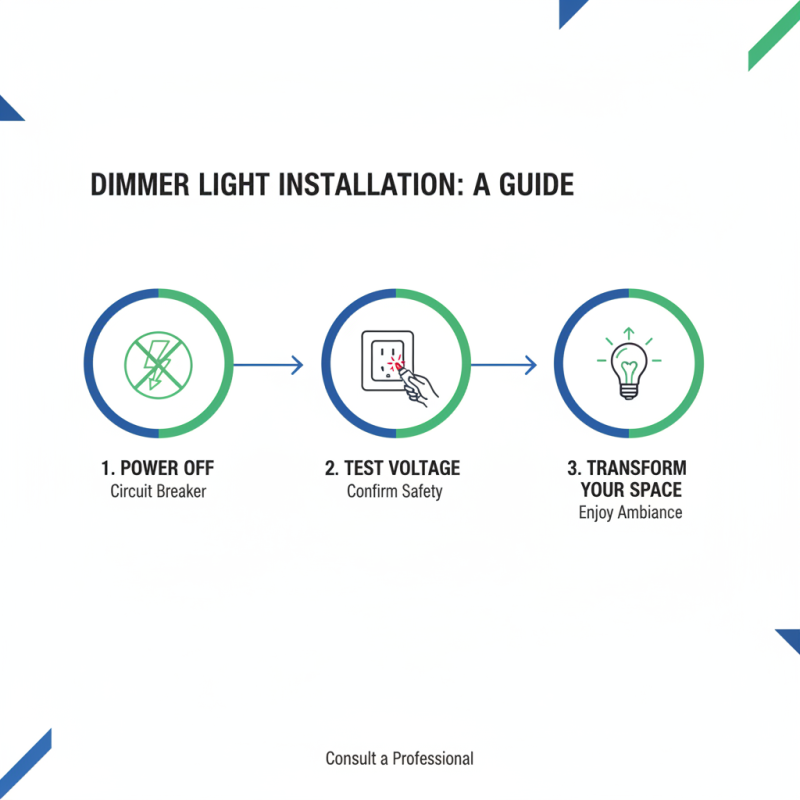
Installing a dimmer light can transform your space. However, getting it right involves careful consideration. Start by turning off the power at the circuit breaker. Confirm it is off with a voltage tester. This step is crucial to ensure safety.
Next, choose the correct dimmer for your bulb type. Not all dimmers work with every bulb, especially LED options. Read labels carefully or consult guides online. It may save you from future headaches.
Consider the placement of the switch. If it’s in a high traffic area, ensure it is easily accessible. An awkward placement can lead to frustration. After installation, test the dimmer to ensure it works smoothly. Dim, flickering lights may indicate improper pairing. There’s always a learning curve, and sometimes mistakes happen. Don’t hesitate to seek help if needed.
Essential Safety Guidelines When Using Dimmer Switches
When using dimmer switches, safety should always come first. The installation must be done correctly. Ensure the power is off before starting any work. Check the compatibility of the dimmer with your lighting system. Not all dimmers work with all bulbs. Some may flicker or hum when used incorrectly.
Using the right wattage is crucial. Overloading a dimmer can cause overheating. This may lead to fires or damage. It's wise to calculate the total wattage of the bulbs. Leave a safety margin. Get familiar with dimmer types too. Some are designed for LED lights while others function better with incandescent bulbs.
When adjusting light levels, be gentle. Harsh movements can wear out the switch faster. Consider the age of existing wiring. Old systems may not handle newer technology well. If you notice any issues like sparking or strange noises, it's time to rethink your setup. Always prioritize keeping your space safe and functional.
Ultimate Tips for Choosing the Right Dimmer Light
| Feature |
Description |
Safety Guidelines |
| Type of Dimmer |
Choose between leading-edge, trailing-edge, and smart dimmers based on your lighting needs. |
Ensure compatibility with bulbs to prevent flickering and buzzing. |
| Wattage Capacity |
Check the maximum wattage the dimmer switch can handle for your fixtures. |
Exceeding wattage can cause overheating and fire hazards. |
| Installation Type |
Consider whether you need a standalone or a multi-location dimmer setup. |
Always follow DIY safety precautions or hire a professional electrician. |
| Dimming Range |
Check the dimming range to ensure it fits your lighting ambiance needs. |
A poor dimming range can lead to inconsistent lighting effects. |
| User Interface |
Look for user-friendly interfaces, such as sliders or touch controls. |
Simpler designs offer better usability in low-light conditions. |

 +86 18968869621
 CONTACT NUMBER