2026 How to Choose the Best Tri Proof Light for Your Needs?
When selecting the right Tri Proof Light for your needs, it’s important to consult industry experts. John Smith, a leading authority in lighting solutions, emphasizes, “The right Tri Proof Light can make a significant difference in visibility and safety.”
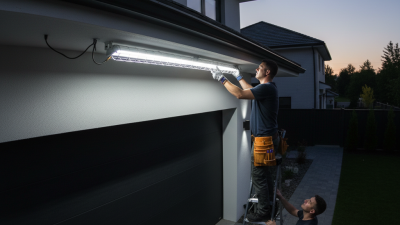
Tri Proof Lights are designed to endure harsh environments, making them perfect for outdoor and industrial settings. They are resistant to water, dust, and impact. However, choosing the best option can be challenging. Consider factors such as brightness, energy efficiency, and installation type. Each application may require a different approach.
Moreover, many customers overlook crucial specifications. This can lead to dissatisfaction. Not every Tri Proof Light suits every situation. Research is vital. Take time to compare various products and understand market offerings. The right choice enhances functionality and longevity.
Understanding Tri Proof Lights: Definition and Key Features
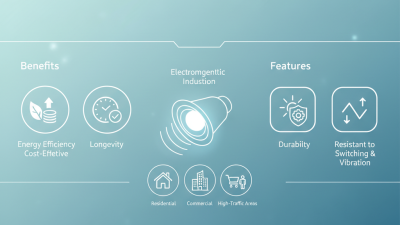
Tri-proof lights are essential in various settings, offering durability and versatility. Defined by their resistance to water, dust, and impact, these lights are suitable for industrial, commercial, and outdoor exposures. Industry reports indicate that effective lighting solutions can reduce energy consumption by up to 40%. This makes tri-proof lights a smart choice for energy efficiency.
Key features of tri-proof lights include high lumen output and energy-saving technology. Most models provide over 100 lumens per watt, ensuring bright and consistent illumination. Additionally, the IP rating is crucial; many tri-proof lights have an IP65 rating or higher. This means they can withstand water jets and dust ingress. However, not all options guarantee longevity, and consumers should be cautious about lower-quality products.
When selecting tri-proof lights, consider installation type. Surface-mounted fixtures are straightforward, but recessed options can offer a more aesthetic appeal. Reflecting on your specific needs can be helpful. Think about the environment where you will use these lights. Proper research on these factors can lead to better results. Always prioritize quality and performance, even if costs are slightly higher. This approach will ultimately lead to significant savings and improved functionality.
2026 How to Choose the Best Tri Proof Light for Your Needs?
| Feature |
Description |
Importance |
| IP Rating |
Ingress Protection rating that indicates the level of protection against dust and water. |
High |
| Lumen Output |
The total amount of visible light emitted by the light fixture. |
High |
| Energy Efficiency |
Measured in lumens per watt, indicating how efficiently a light converts electricity into light. |
Medium |
| Material Quality |
Durable materials used to withstand harsh conditions. |
High |
| Color Temperature |
Measured in Kelvins, determining the color appearance of the light. |
Medium |
| Mounting Options |
The various ways the light can be installed (surface mount, pendant, etc.). |
Low |
| Warranty Period |
Length of time the manufacturer guarantees the product against defects. |
Medium |
Assessing Your Lighting Requirements: Where Will You Use Your Lights?
When choosing the best tri-proof light, understanding your specific lighting needs is crucial. Different environments require different lighting solutions. For instance, if you need lighting for a warehouse, bright and durable lights are essential. High ceilings demand powerful lighting to ensure visibility. On the other hand, a small workshop might only need soft light that creates a comfortable workspace.
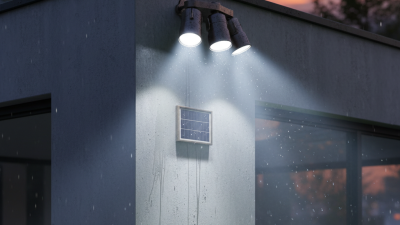
Consider where you plan to install these lights. Outdoor areas exposed to moisture and dust require robust and weather-resistant options. Also, think about the power source. Are you using electrical outlets, or do you need solar-powered options? Agricultural settings have unique requirements, needing lights that can withstand harsher conditions.
Reflect on how often you'll use the lights. If they are frequently on, energy efficiency becomes a priority. You may have to balance brightness and energy consumption. A well-rounded approach considers safety and practicality. Each environment presents challenges that need thoughtful analysis. By examining these factors closely, you can make an informed choice that meets your needs effectively.
Evaluating Different Types of Tri Proof Lights: Materials and Designs
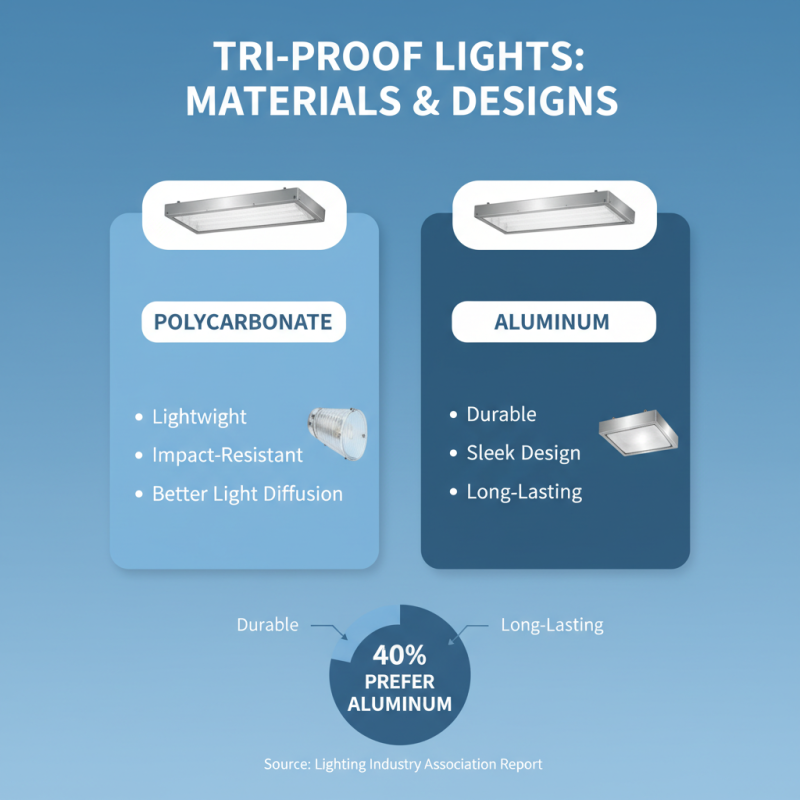
When evaluating different types of tri-proof lights, material selection is crucial. Common materials include polycarbonate and aluminum. Polycarbonate is lightweight and impact-resistant, while aluminum offers durability and a sleek design. According to a report by the Lighting Industry Association, around 40% of buyers prefer aluminum because of its long-lasting properties. However, some may overlook polycarbonate's benefits, such as better light diffusion.
Design also plays a significant role. Tri-proof lights come in various shapes and sizes to fit different environments. For instance, linear designs work well in narrow spaces. Additionally, some units have integrated sensors for better energy efficiency. A study by the International Energy Agency found that energy-efficient lighting can reduce costs by nearly 30%. Yet, many users may underestimate the importance of proper design and placement.
Tips for choosing the right light: Consider the installation area and light direction. Check the IP rating to ensure it meets your needs for moisture and dust resistance. Always assess energy consumption versus output. This reflection can lead to clearer choices and better investments in the long run.
Energy Efficiency and Lifespan: Choosing the Right Specifications
When selecting a tri-proof light, energy efficiency should be a priority. According to the U.S. Department of Energy, LEDs can deliver up to 80% energy savings compared to traditional lighting. This efficiency translates into lower electricity bills and a reduced carbon footprint. A tri-proof light that uses LED technology ensures that energy consumption is minimized. Many models offer efficacy ratings of over 100 lumens per watt, providing excellent brightness with minimal power usage.
Lifespan is another critical factor in choosing the right specifications. Many tri-proof lights are rated for over 50,000 hours of operation. This longevity reduces the need for frequent replacements, which can be costly and time-consuming. Utilizing lights with high durability also contributes to decreased waste. However, some lights might not meet these longevity claims consistently. Checking third-party test results and certifications can provide assurance of the claimed lifespan.
Keep in mind the environmental impact of your choice. Selecting an energy-efficient and long-lasting tri-proof light can lead to significant resource savings. Balancing these specifications may require careful evaluation. Not every option on the market lives up to its promises. Therefore, approach your selection with a discerning eye and conduct thorough research.
2026 Energy Efficiency and Lifespan of Tri Proof Lights
This bar chart illustrates the average lifespan of tri-proof lights categorized by their energy efficiency levels. As efficiency increases, the average lifespan also tends to rise, demonstrating the advantages of selecting high-efficiency options for better sustainability and lower replacement costs.
Budget Considerations: Cost-Effectiveness of Tri Proof Lights
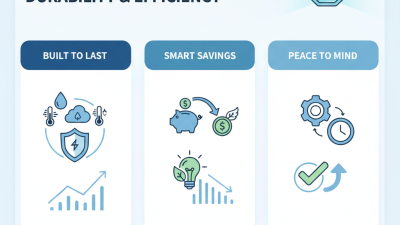
When choosing a tri proof light, cost-effectiveness plays a crucial role. These lights are designed to resist water, dust, and corrosion, making them more durable than regular fixtures. Though their upfront cost might seem higher, their long lifespan reduces frequent replacement needs. This long-term saving makes them a wise investment for many industrial and commercial settings. However, sometimes the price difference can be significant and hard to justify for smaller projects.
Energy efficiency is another important factor affecting overall costs. Tri proof lights often use LED technology, which consumes less electricity compared to traditional lighting. This results in lower power bills over time. Yet, it’s vital to verify the actual energy consumption per model. Some lights claim high efficiency but perform differently under real conditions. Assessing real-world energy use can prevent disappointment.
While cost is key, reliability and performance should not be compromised. A cheaper tri proof light might lack adequate sealing or robust housing, leading to more maintenance and downtime. So, balancing initial cost with quality is essential. Reflecting on your needs carefully will help avoid overspending or buying subpar products. The ideal choice supports your budget without sacrificing safety and durability.

 +86 18968869621
 CONTACT NUMBER