2026 How to Choose the Best LED Tri Proof Light for Your Needs?
Choosing the right LED Tri Proof Light is essential for various settings. These lights are designed to withstand harsh conditions. According to lighting expert Sarah Johnson, "Selecting the right LED Tri Proof Light can elevate both safety and efficiency." Her experience in lighting design emphasizes the importance of understanding your specific needs.
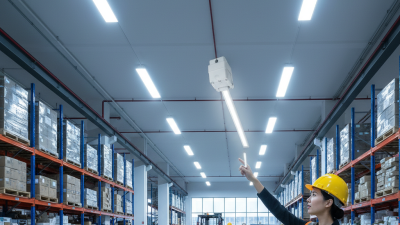
Consider the environment where the light will be used. Will it face moisture, dust, or extreme temperatures? Each scenario requires a different type of protection. For instance, a warehouse may need lights with higher impact resistance, while outdoor areas benefit from additional water resistance features.
Take time to evaluate the brightness and energy efficiency too. Many users overlook these factors. LED Tri Proof Lights come with various lumen outputs. Choose a model that fits your space adequately. Seeking professional advice can also help clarify features and functionalities. Investing time in this decision can lead to long-lasting satisfaction.
How LED Tri Proof Lights Function: Understanding the Technology Behind Them
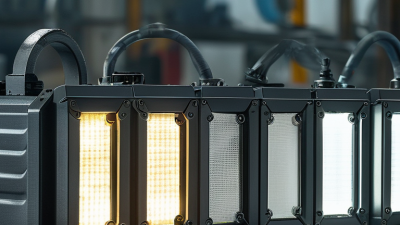
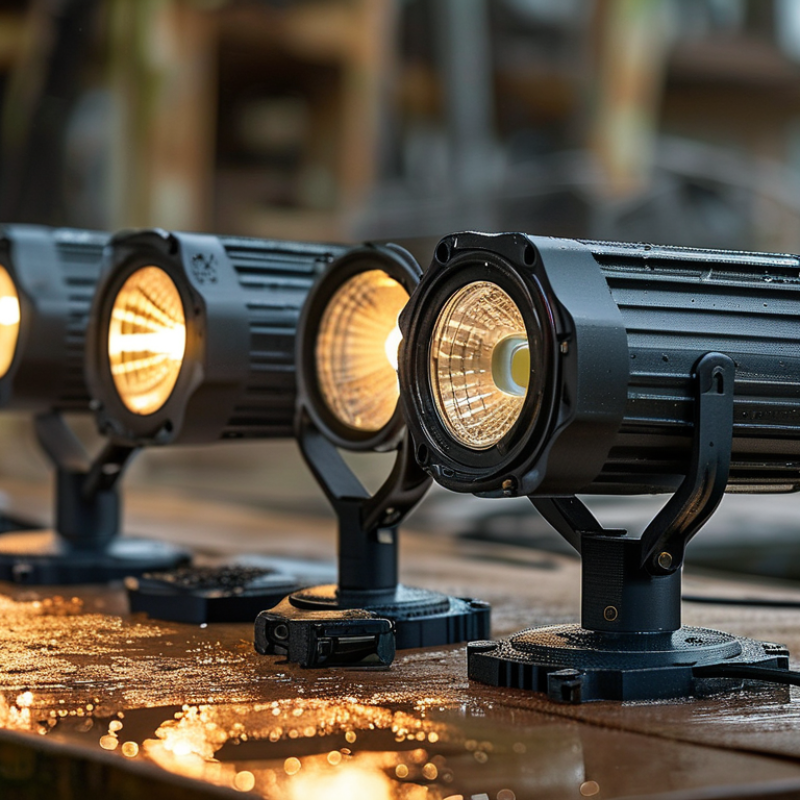
LED tri-proof lights are engineered for durability and efficiency. They feature a robust design that is resistant to water, dust, and impact. This makes them ideal for various harsh environments. The housing usually consists of aluminum or polycarbonate materials. This ensures longevity while enhancing heat dissipation. Understanding how these lights function can help in making informed choices.
The technology behind LED tri-proof lights is fascinating. They utilize advanced LED chips that convert electricity into light with minimal energy loss. This results in energy efficiency and reduced electricity bills. The luminous efficacy of LEDs is significantly higher than traditional lighting solutions. Moreover, many models include features like adjustable brightness and motion sensors. However, it’s essential to evaluate these options carefully. Sometimes, added features can complicate installation.
There’s a learning curve when understanding LED technology. While these lights offer many benefits, they can be sensitive to the installation environment. Factors like temperature and moisture levels can impact performance. Regular maintenance and proper placement are crucial for optimal output. Users may need to reconsider locations if dimming occurs. Knowing these aspects can improve the overall experience with LED tri-proof lights.
Understanding the Brightness Levels of LED Tri Proof Lights
Key Factors to Consider When Choosing LED Tri Proof Lights for Specific Needs
When selecting LED tri-proof lights, several key factors can significantly affect your choice. Consider the environment where you will install the lights. For instance, areas with high humidity or dust exposure require durable fixtures. Look for an IP (Ingress Protection) rating of at least IP65 to ensure they are sealed against water and dust. This will enhance their longevity and functionality over time.
Light output is another essential aspect. The brightness should match the intended use. For workspaces, higher lumen output is necessary to ensure visibility. Dimming capabilities can offer flexibility in lighting levels. Additionally, choose a color temperature that suits the environment. Warmer tones create a cozy atmosphere, while cooler tones enhance alertness and focus.
Don't overlook energy efficiency. The best LED lights should provide significant savings on electricity bills and reduce environmental impact. However, some models may have higher upfront costs but save money long-term. Reflect on your budget and needs. Addressing these key factors can help in selecting the ideal LED tri-proof light tailored to your specific requirements.
Evaluating Lumens and Watts: How Brightness Affects Lighting Choices
Choosing the right LED tri-proof light can significantly impact your space. Brightness is key when making your choice. Lumens measure brightness, while watts indicate energy consumption. A higher lumen count means a brighter light. However, this alone doesn’t determine suitability.
Consider the context of your installation. For instance, a dimly lit area may require higher lumens for visibility. In contrast, spaces used for relaxation might need softer lighting. Balancing lumens and watts is crucial. Aim for efficiency without sacrificing brightness.
**Tips:** Check the lumens to see how bright the light is. A general rule is that 150-200 lumens per square meter works well for workspaces. For casual areas, lower lumens can create a cozy atmosphere. Think about using dimmable options to adjust brightness as needed. Understanding your lighting needs ensures you make an informed choice.
2026 How to Choose the Best LED Tri Proof Light for Your Needs?
| Model |
Lumens |
Watts |
Brightness (lm/W) |
Ideal Use |
| Model A |
4000 |
40 |
100 |
Office |
| Model B |
3000 |
30 |
100 |
Warehouse |
| Model C |
5000 |
50 |
100 |
Retail |
| Model D |
3500 |
35 |
100 |
Garage |
| Model E |
4500 |
45 |
100 |
School |
The Importance of IP Ratings: Ensuring Durability in Harsh Environments
When selecting LED tri-proof lights, understanding IP ratings is crucial. These ratings indicate the light's ability to withstand solid and liquid intrusion. A higher IP rating means better protection against harsh conditions, such as dust and water. For instance, an IP65 rating implies complete protection against dust and low-pressure water jets.
In environments like warehouses or manufacturing plants, durability matters. Lights in these settings often face challenges such as moisture, extreme temperatures, and dust accumulation. A light with a lower IP rating may fail quickly. This failure can lead to safety hazards or increased maintenance costs. Choosing adequately rated lights can provide peace of mind and ensure consistent performance.
However, not all applications require the highest ratings. It's essential to assess your specific environment. Sometimes, higher-rated lights may be overkill. Balance durability needs with budget considerations. Understanding IP ratings helps make informed decisions for your lighting needs.
Comparative Analysis: LED Tri Proof Lights vs. Traditional Lighting Solutions
LED tri-proof lights are gaining popularity as an efficient lighting solution. These lights offer advantages over traditional lighting. They are designed to withstand harsh environments, resisting water, dust, and impact. This durability makes them ideal for industrial and outdoor settings.
Comparing LED tri-proof lights to traditional options reveals significant differences. Traditional lights often consume more energy and require frequent replacements. In contrast, LED lights last longer and use less electricity. This reduces maintenance costs and decreases energy bills. This transition, however, comes with considerations. Initial costs of LED technology may be higher. Businesses need to weigh long-term savings against upfront investments.
Choosing the right lighting requires careful thought. Each setting is unique, and user needs must be analyzed. While LED lights are robust, not every option will fit all environments. It’s important to assess brightness, color temperature, and distribution. By focusing on specific requirements, one can make informed choices. This ensures the selected lighting solution truly meets the demands of the space.

 +86 18968869621
 CONTACT NUMBER