10 Essential Tips for Choosing the Right Waterproof Integrated Lamp
Choosing the right Waterproof Integrated Lamp can be daunting. Expert Jake Thompson, a lighting engineer, once said, "Not all lamps are created equal." His insight highlights the importance of making informed decisions.
Waterproof Integrated Lamps serve various purposes, from outdoor settings to industrial use. Many people rush their choices, often leading to unsatisfactory results. Factors such as brightness, energy efficiency, and durability should never be overlooked. A lamp that meets your needs can enhance both aesthetics and functionality.
Selecting the correct model may require some reflection. Avoiding impulse buys is crucial. Research and compare different options to find the best fit for your space. A well-chosen Waterproof Integrated Lamp can make a significant difference. Always prioritize quality and suitability for your environment.
Key Factors to Consider When Selecting a Waterproof Integrated Lamp
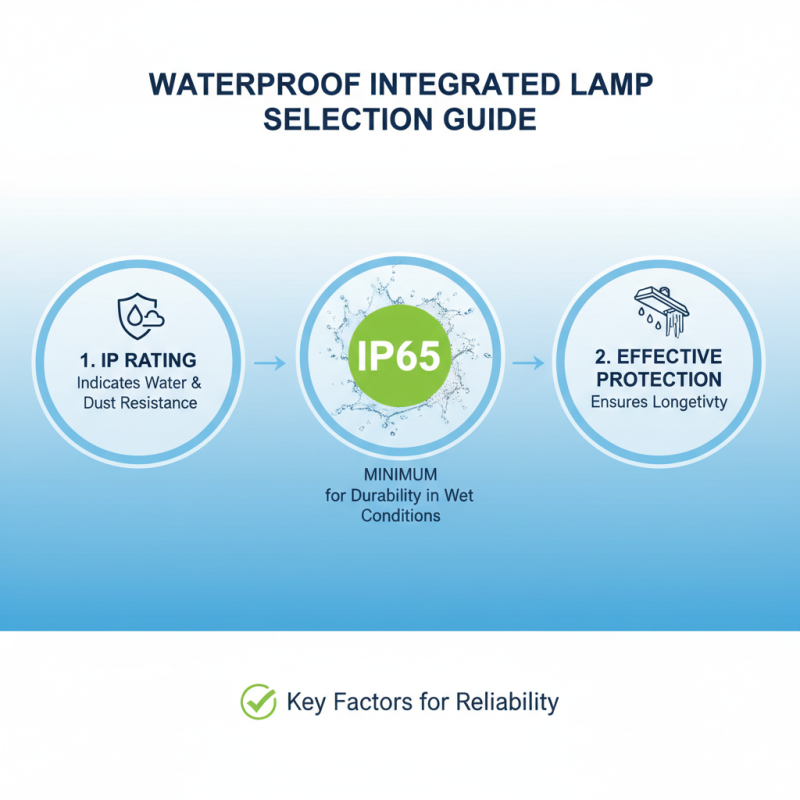
When selecting a waterproof integrated lamp, several key factors are crucial. Consider the IP rating, which indicates water resistance. Look for a lamp with a minimum IP65 rating for effective protection against dust and water. This ensures durability in wet conditions.
The material of the fixture also matters. Opt for corrosion-resistant materials like aluminum or stainless steel. These will withstand outdoor elements better than cheaper materials. Additionally, think about the brightness level you need. LED options are energy-efficient and provide ample light for various settings.
Don’t forget about installation convenience. Some lamps require more effort to install, which can be frustrating. Check if your choice is easy to set up. Lastly, factor in the aesthetics. While functionality is key, you still want a lamp that complements your space. Reflect on how all these elements come together, creating a reliable and appealing source of light.
Understanding IP Ratings and Their Significance in Waterproof Lighting
When selecting a waterproof integrated lamp, understanding IP ratings is crucial. An IP rating consists of two digits. The first digit indicates solid object protection, while the second digit denotes moisture resistance. For instance, an IP65 rating means the lamp is dust-tight and can withstand water jets. This level of protection is often ideal for outdoor settings.
Different environments may require different ratings. If you're installing lights in a damp basement, an IP44 rating could suffice. However, areas exposed to heavy rain need higher ratings, like IP67. Understanding these ratings helps ensure durability and functionality. Some people overlook these details and face issues later. It leads to frustration and unnecessary replacements.
Consider the purpose of the lamp. Will it be used for decorative lighting in a garden or functional lighting under awnings? Determining the use case is key. Some may think any waterproof lamp will work, but this is not always true. Realizing the importance of choosing wisely can save time and money.
10 Essential Tips for Choosing the Right Waterproof Integrated Lamp - Understanding IP Ratings and Their Significance in Waterproof Lighting
| Tip Number |
Tip Description |
IP Rating |
Usage Scenarios |
| 1 |
Check the IP rating to ensure it meets your environment's needs. |
IP65 |
Outdoor areas exposed to rain. |
| 2 |
Consider the lamp's brightness and lumens output. |
Not applicable |
General indoor/outdoor use. |
| 3 |
Look for energy efficiency ratings. |
Not applicable |
All environments. |
| 4 |
Choose materials that resist corrosion. |
Not applicable |
Coastal areas, industrial sites. |
| 5 |
Assess the mounting options for flexibility. |
Not applicable |
Home, commercial spaces. |
| 6 |
Evaluate the warranty and lifespan of the lamp. |
Not applicable |
All applications. |
| 7 |
Check user reviews and ratings for reliability. |
Not applicable |
Online marketplaces. |
| 8 |
Examine installation requirements for ease. |
Not applicable |
DIY projects. |
| 9 |
Consider the color temperature for ambiance. |
Not applicable |
Residential, hospitality. |
| 10 |
Verify compatibility with smart systems. |
Not applicable |
Smart homes. |
Types of Waterproof Integrated Lamps and Their Applications
When selecting a waterproof integrated lamp, understanding its types and applications is crucial. There are several types available, each designed for specific settings. For instance, LED waterproof lamps are widely used in outdoor areas due to their energy efficiency and durability. According to industry reports, LED technology can save up to 80% on energy costs compared to traditional lighting. However, users should consider the installation environment. Not all LEDs perform well in extreme temperatures.
Fluorescent waterproof lamps are another choice, often used in commercial spaces. They provide bright, even lighting, making them ideal for warehouses and factories. However, they might not withstand harsh weather conditions as effectively as LEDs. It’s important to note that while fluorescent lamps are cheaper, their lifespan is shorter, requiring more frequent replacements. An employee survey indicated that 65% of workers prefer well-lit environments for safety and productivity. Therefore, the chosen lamp can significantly impact workplace efficiency.
Each type comes with trade-offs. While some may offer lower initial costs, they could lead to higher maintenance expenses over time. Users must think critically about their long-term needs rather than just upfront savings. Choosing the right lamp involves more than just picking a model; it’s about assessing environmental conditions and cost-effectiveness. A thorough understanding can lead to better decision-making and optimal performance.
Energy Efficiency Standards for Waterproof Integrated Lamps Explained
When selecting a waterproof integrated lamp, energy efficiency is a major consideration. These lamps must meet specific energy efficiency standards. Look for labels that indicate compliance with these standards. This helps ensure that your choice not only offers good lighting but also reduces electricity usage. An energy-efficient lamp can save money over time, despite a potentially higher initial cost.
Understanding the various energy ratings is vital. For instance, the lumen output indicates brightness. A lamp with low wattage but high lumens is ideal. However, not all products are transparent about this. Sometimes, a seemingly efficient lamp may not deliver the promised performance. Misleading specifications complicate the decision-making process. Pay close attention to the details.
Consider the environment where the lamp will be used. Many factors affect energy efficiency, like temperature and humidity. A lamp that works well in one setting may underperform in another. Testing different options can lead to better choices. Stay engaged and curious about your selections. Always reflect on your choices to continuously improve.
Maintenance Tips to Ensure Longevity of Waterproof Integrated Lighting
Proper maintenance is crucial for the longevity of waterproof integrated lighting. According to a report from the Lighting Research Center, effective upkeep can extend the lifespan of these fixtures by up to 40%. Regular cleaning is essential. Dust and grime can accumulate, reducing brightness. A simple wipe with a damp cloth can significantly improve performance. Ensure the power is off before cleaning.
Temperature and humidity also affect integrated lamps. Excessive heat can warp components, leading to failure. The ideal operating temperature is often between 20°C to 30°C. High humidity can lead to condensation. Condensation can damage internal electronics. Installing your fixtures in well-ventilated areas can help mitigate these issues.
Check the seals regularly. Waterproof ratings are not foolproof over time. Wear and tear from exposure can weaken the effectiveness of seals. If you notice cracks or gaps, it’s time to replace them. Routine inspections can save you from potential expensive repairs. Remember, neglecting maintenance may lead to failures. These failures could result in safety hazards and increased energy bills. Pay extra attention to lighting conditions in your area. Some environments can be harsher than expected.
Waterproof Integrated Lamp Features Rating
This chart illustrates the ratings of essential features to consider when choosing waterproof integrated lamps. Each feature is rated on a scale from 1 to 10, showcasing the importance of brightness, energy efficiency, durability, installation, maintenance, and design in selecting the right product.

 +86 18968869621
 CONTACT NUMBER