10 Essential Tips for Choosing the Perfect Dimmer Light for Your Home
When it comes to creating the perfect ambiance in your home, choosing the right dimmer light is crucial. Renowned lighting expert, David Brightwell, once said, “A well-placed dimmer can transform any space.” Indeed, a dimmer light not only adjusts brightness but also enhances the mood.
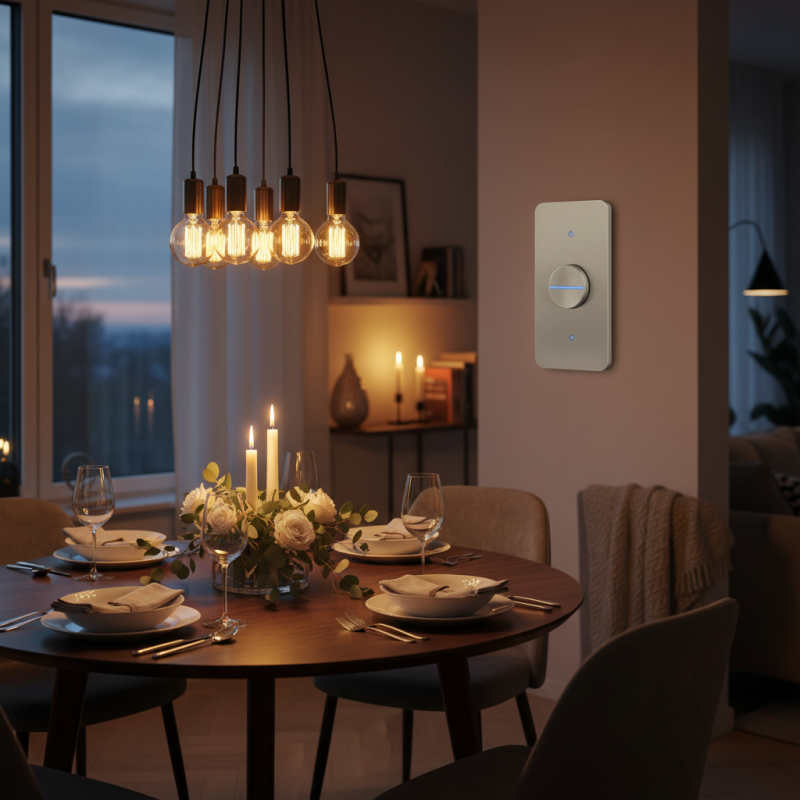
Imagine hosting an intimate dinner party. The right dimmer light can soften the atmosphere, making everything feel cozier. However, selecting the ideal dimmer can be overwhelming. Many factors matter, such as bulb type and compatibility.
It’s easy to overlook the details in this process. Not all dimmers work well with LED lights. Some may buzz or flicker. Consider not only the aesthetics but functionality too. Careful choices lead to satisfaction. The joy of selecting a dimmer light lies in its potential to elevate your home experience.
Factors to Consider for Dimmer Light Selection in Home Settings
When choosing a dimmer light for your home, several factors should guide your decision. The type of bulb you use is crucial. Not all dimmers work well with every bulb. For instance, LED fixtures require specific dimmers to avoid flickering. Testing different combinations can help find the right fit.
The wattage of the dimmer is another important aspect. Each dimmer has a maximum load rating. It’s vital to match this with your lighting fixtures. Overloading a dimmer could lead to malfunction or even hazards. When in doubt, consult an electrician. You might discover that your initial choice doesn't meet safety standards.
Lastly, consider the style and control options. Slide, toggle, or smart dimmers can impact usability. Your preference may evolve over time. A dimmer you love today may not be suitable a few years later. Experimenting with different styles can lead to unexpected discoveries in your home lighting scheme. Exploring these factors thoughtfully ensures a better selection process.
10 Essential Tips for Choosing the Perfect Dimmer Light for Your Home
| Tip Number |
Consideration |
Description |
| 1 |
Type of Bulb |
Ensure compatibility with LED, incandescent, or halogen bulbs. |
| 2 |
Wattage Rating |
Check the maximum wattage to prevent overload. |
| 3 |
Style and Aesthetics |
Choose a design that complements your home décor. |
| 4 |
Dimming Range |
Look for dimmers with a wide range for better control. |
| 5 |
Installation Type |
Decide between wall-mounted or plug-in options. |
| 6 |
Smart Features |
Consider dimmers that integrate with smart home systems. |
| 7 |
Brand Reputation |
Research brands with positive reviews and reliability. |
| 8 |
Price |
Balance quality with budget considerations. |
| 9 |
Safety Standards |
Ensure the product meets local electrical safety codes. |
| 10 |
Customer Support |
Consider availability of support for installation or issues. |
Types of Dimmer Switches: Understanding Compatibility and Features
When selecting a dimmer switch, compatibility is key. Not all dimmers work with every light bulb. For instance, LED bulbs often require specific dimmers designed for their technology. Incandescent bulbs usually pair well with standard dimmers. Yet, even within those categories, there are nuances that can lead to flickering or buzzing. That's frustrating when you want a smooth transition in lighting.
Understanding the types of dimmer switches can simplify your decision. There are single-pole switches, which control one fixture, and three-way dimmers, allowing control from two locations. Some models offer multitap options, enhancing functionality. Whether you’re creating ambience or easing into a movie night, it’s essential to know these features.
Keep in mind that installation may not be straightforward. Some homeowners find the wiring confusing, leading to potential issues. Researching installation guides can provide clarity but may still not cover all scenarios. Each space is unique—we don’t always consider that. A little reflection on your specific needs and preferences can help in choosing the right dimmer.
Dimmer Switch Types and Their Popularity
Assessing the Right Brightness Levels for Different Rooms
Choosing the right brightness levels for different rooms can significantly enhance your home's ambiance. Research shows that mood and productivity can be affected by lighting. A well-lit living room may require around 300-500 lumens. In contrast, bedrooms often benefit from softer lighting, around 150-300 lumens. This range supports relaxation and sleep.
Consider the purpose of each room. For workspaces, brighter lighting enhances focus. Studies indicate that proper lighting can improve concentration by up to 20%. Yet, some spaces may require more thought. A dining area might need adjustable brightness to create a warm, inviting atmosphere or accommodate various occasions. Trial and error can be key here; the ideal setup may take some time to figure out.
Remember, dimmer switches allow for flexibility. However, not all dimmers work with every bulb type. This may lead to flickering or buzzing sounds. It's crucial to check compatibility before installation. Additionally, ensure you choose lighting that complements your decor. Overly harsh or dim lighting can sometimes disrupt the flow of a room. Finding balance is essential.
Energy Efficiency and Lifespan: Choosing the Best Bulbs for Dimmers
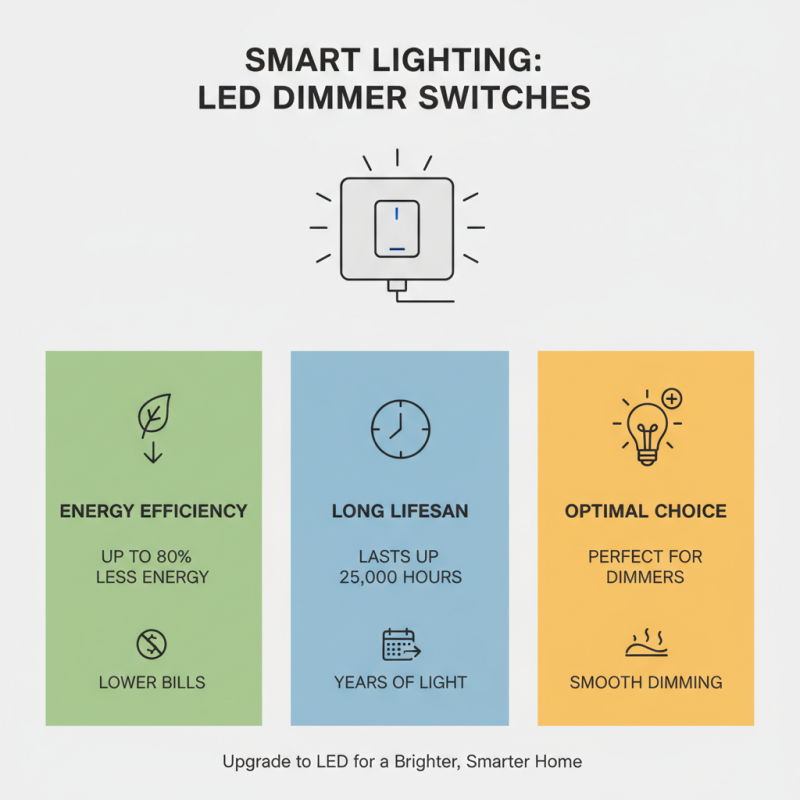
When selecting bulbs for dimmer switches, energy efficiency is crucial. LED bulbs are often the best choice. They use up to 80% less energy than traditional incandescent bulbs. This means lower electricity bills. Plus, LEDs have a longer lifespan. They can last up to 25,000 hours, which is a big advantage.
However, not all LED bulbs are compatible with dimmers. Choosing the wrong type can lead to flickering or humming sounds. It’s important to look for bulbs specifically labeled as dimmable. Always check the packaging. Some users overlook this detail and face issues later.
Consider the light temperature as well. Warmer tones create a cozy atmosphere. A color temperature of around 2700K is popular for living spaces. Still, some people prefer cooler lights. In the end, the right bulb adds to your home’s comfort. Finding balance can be tricky, but it’s worth the effort.
Installation Tips and Safety Precautions for Dimmer Light Systems
When installing dimmer light systems, safety is paramount.
Begin by turning off the power at the circuit breaker. This simple step prevents unwanted shocks. It’s crucial to double-check the circuit. Use a voltage tester to ensure no electricity runs through the wires. After confirming it is safe, carefully remove the old switch and prepare for the new installation.
Follow the manufacturer's guidelines for connecting the wires. Match the colors correctly: black to black, and white to white. Poor connections can lead to flickering lights. Tighten all screws properly, but don't overtighten them. This is an easy mistake to make and can damage the wires. Once everything is in place, restore power and test the dimmer. If it doesn’t work, recheck your connections.
Consider the load capacity of your dimmer. Overloading it can be dangerous and may cause it to fail. If your lights flicker, or dim unexpectedly, it might be time to reflect on your choices. A dimmer that's too powerful for your system can cause serious issues.
Always prioritize quality over price. In the end, a little attention to detail can lead to a safer and more enjoyable lighting experience.

 +86 18968869621
 CONTACT NUMBER