+86 18968869621


When it comes to outdoor lighting, choosing the right Led Waterproof Light can be tricky. With countless options available, making the best choice requires careful consideration. These lights not only enhance visibility but also add a layer of safety. However, not all waterproof lights are created equal.
The performance of an Led Waterproof Light depends on several factors. You must consider the brightness level, energy efficiency, and durability. Some models may look appealing but fail in harsh weather. Understanding your specific needs can streamline the selection process.
It’s important to remember that prices vary drastically. Sometimes, a lower price tag hides inferior quality. Reflecting on your priorities will help you avoid costly mistakes. Investing in the right Led Waterproof Light is vital for both aesthetics and functionality. Be prepared to do your research and ask questions.
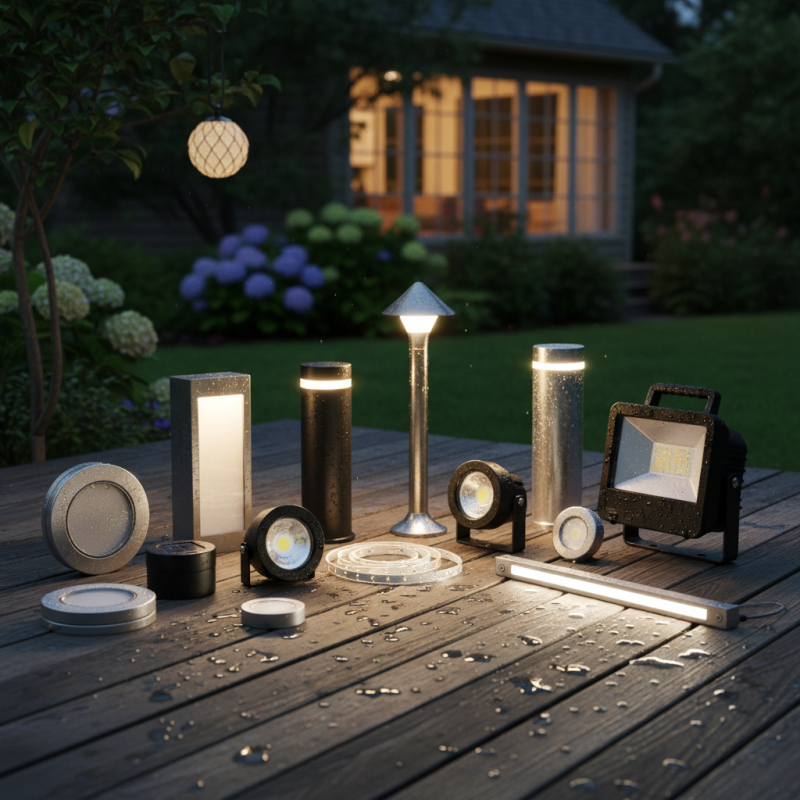
When selecting LED waterproof lights, it’s crucial to understand their features and benefits. Waterproofing is vital for outdoor use. Lights with an IP66 or higher rating are ideal. They withstand rain, dust, and even harsh conditions. This durability means less maintenance and long-lasting performance.
Consider brightness and energy efficiency. Look for lumens output that meets your needs. A good LED light consumes less power but offers high illumination. This feature saves on electricity bills over time. Also, dimmable options can provide flexibility for different environments.
The color temperature matters too. Warmer tones create cozy atmospheres, while cooler tones offer clarity. Think about the space you’ll use the lights in. Yet, choosing the wrong color can change the mood of an area. Testing options can reveal unexpected preferences. Look for lights that have good reviews regarding longevity and reliability. Some may perform wonderfully in theory but fail in real-life application. Be cautious with claims and do thorough research before making a decision.
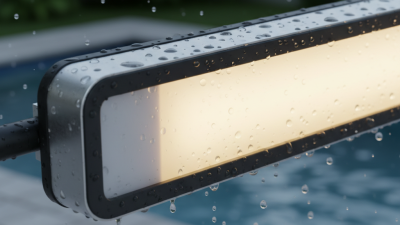
When choosing LED waterproof lights, brightness and color temperature are crucial factors. Brightness is measured in lumens. A report from the Illumination Engineering Society states that a typical outdoor area light should produce between 500 to 3000 lumens, depending on its purpose. For example, pathways may need about 700 lumens, while parking lots might require as much as 3000 lumens. Assess your specific needs carefully to ensure adequate lighting.
Color temperature plays a significant role in how light appears and affects mood. It is measured in Kelvin (K). A cooler temperature, around 5000K to 6500K, gives off a bluish light that is similar to daylight. This type of light can enhance visibility but may feel sterile. Conversely, warmer light, around 3000K, is softer and provides a cozy environment. In some scenarios, using a mix could be beneficial. However, this can complicate your lighting design.
Some people overlook these factors and face issues later. Misjudging the brightness can leave dark spots or cause glare. Additionally, the wrong color temperature might clash with the surroundings. Before purchasing, think critically about your space and lighting needs. This reflection is fundamental for a successful installation.
When choosing LED waterproof lights, energy efficiency is crucial. Look for lights with high lumens per watt. This measurement shows how much light is produced for each watt of power used. A higher number indicates better energy efficiency. Many LED lights offer excellent output with minimal energy consumption.
Lifespan is another important factor. Most quality LED lights last upwards of 25,000 hours. This longevity is a significant benefit compared to traditional lighting. However, it's essential to consider the environment where the lights will be used. Extreme temperatures can affect their lifespan negatively.
Reflecting on these details, you might find the perfect light. Yet, it’s easy to overlook these aspects in the buying process. Take your time and do research. A well-informed choice today can lead to long-term savings. Exploring user reviews and testing various options can reveal inconsistencies in advertised claims.
When selecting the best LED waterproof light, considering mounting options is crucial. Different areas require unique solutions. For instance, if you're installing lights in a bathroom or near a pool, wall mounts might be ideal. Most installations require secure fixtures to withstand moisture. Ensure you choose a design that suits your specific location.
Installation requirements are another significant factor. Understand the wiring needs before purchasing. Some LEDs might need professional installation, especially if they're hardwired. Others offer simple plug-in options. Consider the space's accessibility. If you can't reach the area easily, the choice might be limited. Be aware that improper installation can lead to failures or hazards. Always check ratings to ensure safety and effectiveness.
| Tip | Description | Mounting Options | Installation Requirements |
|---|---|---|---|
| 1. Evaluate Brightness | Choose appropriate lumens for your space. | Wall-mounted, ceiling-mounted | Requires basic hand tools |
| 2. Check IP Rating | Ensure it’s suitable for wet environments. | Freestanding, pendant | Electrical wiring knowledge needed |
| 3. Assess Lifespan | Look for longer-lasting LEDs. | Surface mount, recessed | Dry and clean installation surface |
| 4. Consider Energy Efficiency | Opt for models with energy-saving features. | Track lighting, wall sconces | Proper circuit connection |
| 5. Assess Color Temperature | Choose warm or cool light based on need. | Adjustable mounts | Mounting height consideration |
| 6. Look for Dimming Options | Select fixtures compatible with dimmers. | Embedded, external dimmers | Ensure dimmer switch compatibility |
| 7. Check Warranty | Opt for products with solid warranty terms. | All types | Documentation required |
| 8. Review Customer Feedback | Learn from other users’ experiences. | Various mounting configurations | Installation notes |
| 9. Verify Certifications | Ensure product meets local standards. | Multiple mounting styles | Compliance with safety codes |
| 10. Plan for Future Adjustments | Choose versatile lighting that can adapt. | Flexible mounts | Easy modification access |
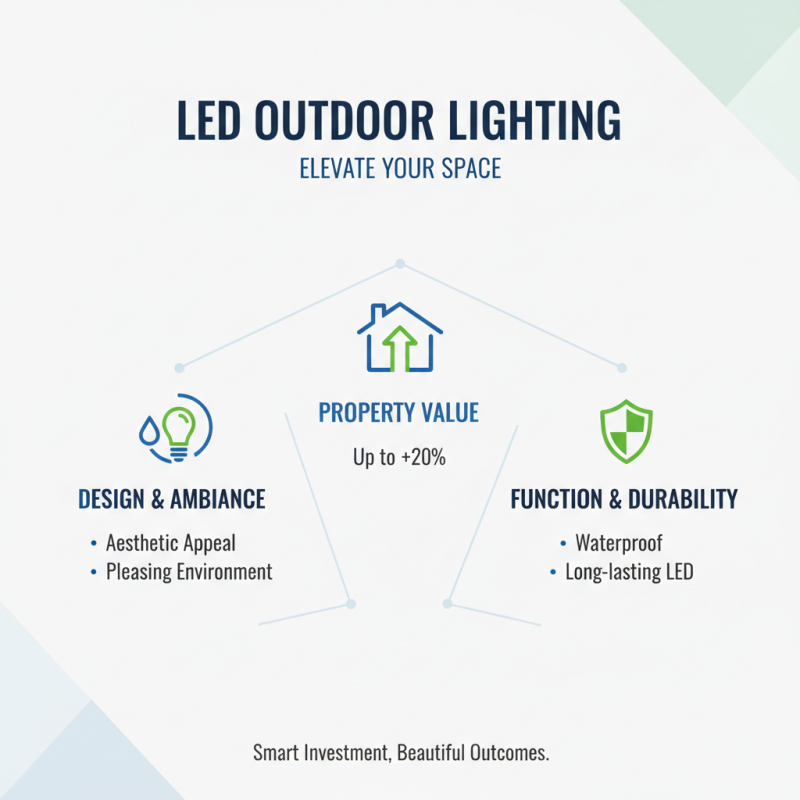
When integrating LED waterproof lights into outdoor spaces, design matters significantly. The aesthetic appeal can enhance the overall atmosphere. In recent years, reports show that well-placed outdoor lighting can increase property value by up to 20%. It's not just functionality; it’s about creating a pleasing environment.
Choosing styles that complement your existing decor is crucial. For instance, minimalist lights may work well in a modern garden, while rustic lanterns can enhance a traditional backyard. Studies indicate that 65% of homeowners prefer lighting that blends seamlessly with landscape design. However, finding the right balance can be challenging. Sometimes, lights that look great in catalogs disappoint in reality.
Consider the different color temperatures available. Warm white light creates an inviting ambiance, while cooler lights can appear harsh. You might find yourself second-guessing your choices. It’s common to feel uncertain when deciding how much brightness is right for your space. Research suggests that over-illuminating can detract from natural beauty, so striking the right balance is an art form in itself.