What is Emergency Lighting and Why is it Essential for Safety?
Emergency lighting plays a critical role in ensuring safety during emergencies. According to John Adams, an expert in the emergency lighting industry, “Effective emergency lighting can mean the difference between life and death.” This emphasizes the importance of having reliable illumination in dark or smoke-filled environments.
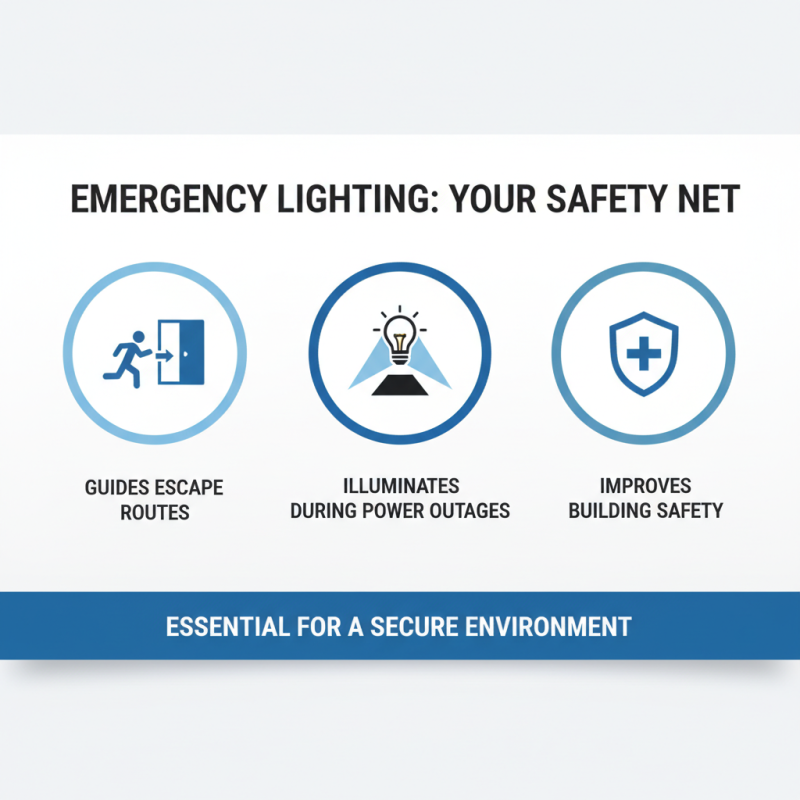
When an emergency occurs, power may fail suddenly. People can panic and lose their way without adequate lighting. Emergency lighting provides the necessary guidance to exit buildings safely. It highlights pathways, exits, and obstacles that could pose risks.
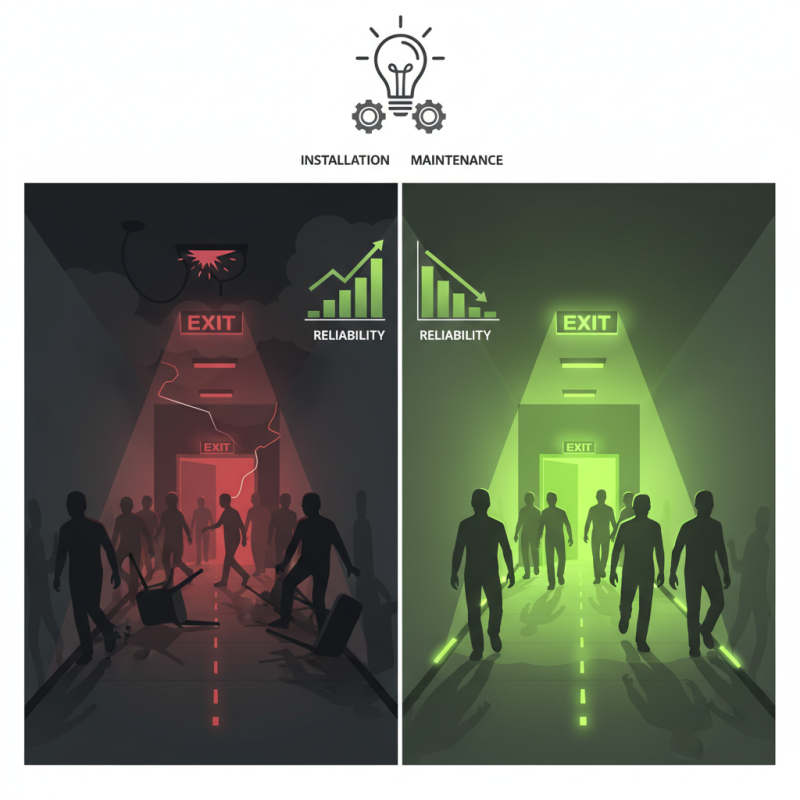
However, many facilities overlook proper installation and maintenance of emergency lighting systems. Regular checks and updates are crucial. All too often, lights are found to be malfunctioning during real emergencies. This oversight can lead to disastrous outcomes. The need for awareness and accountability in emergency lighting cannot be overstated.
What is Emergency Lighting? A Comprehensive Overview
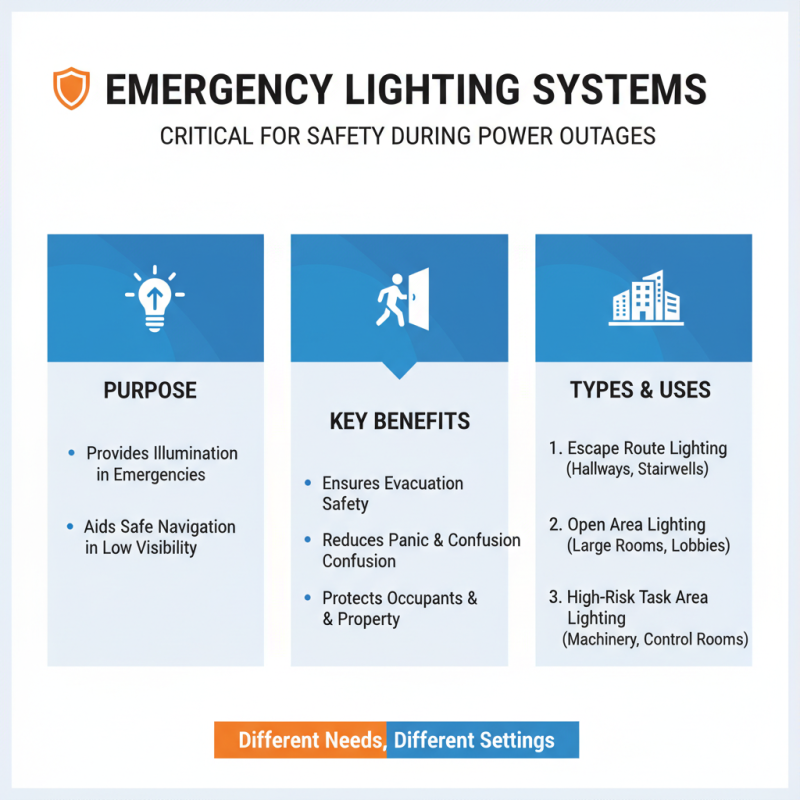
Emergency lighting is crucial for safety in various environments. It provides illumination during power outages or emergencies. When the lights go out, panic can set in. Emergency lights guide people to safety. They help in navigating dark spaces. This is especially important in buildings with multiple floors.
These lights typically activate automatically. They are often strategically placed in hallways and stairwells. This placement ensures visibility during emergencies. Some lights are battery-operated, providing extra reliability. However, the effectiveness of emergency lighting depends on maintenance. Regular checks are necessary to ensure they are operational.
Challenges arise when systems are not tested. Sometimes, outdated bulbs or failed batteries go unnoticed. This can lead to failures when they are needed most. Thus, awareness of emergency lighting systems is essential. Routine inspections can prevent these issues. Safety should always be prioritized in any space.
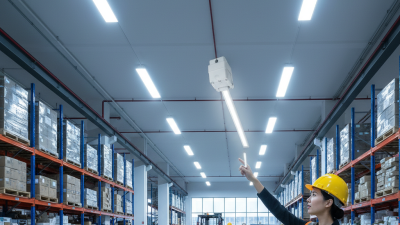
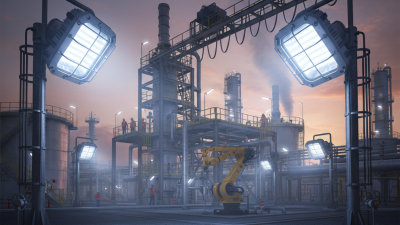
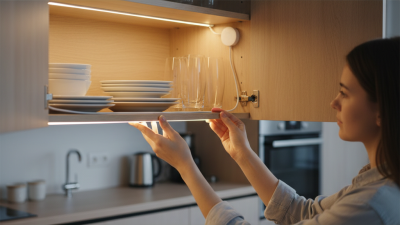
Emergency Lighting Usage by Sector
The Role of Emergency Lighting in Safety Compliance Regulations
Emergency lighting plays a crucial role in safety compliance regulations. This type of lighting ensures that safe evacuation routes are visible during emergencies. Inadequate lighting can lead to chaos and confusion. Building codes often mandate emergency lighting in public areas. Knowing the specifics of these regulations is vital for safety.
Tip: Always check local regulations on emergency lighting. Requirements may vary. Regular inspections and maintenance should be taken seriously. Non-compliance can lead to legal issues.
Effective emergency lighting should be strategically placed. It must illuminate exits clearly and guide individuals safely. However, many neglect the importance of battery backup systems. A failure in a power outage could have dire consequences. Reflecting on past incidents may drive improvements in safety measures.
Tip: Conduct regular drills to test the effectiveness of emergency lighting. This can help identify blind spots and maintenance needs. Engaging employees can foster a culture of safety awareness.
Statistics on Emergency Situations: The Necessity of Adequate Lighting
Emergency situations can strike at any time. In such moments, adequate emergency lighting plays a vital role. According to the National Fire Protection Association (NFPA), in the United States, approximately 1,346,500 fires were reported in 2020 alone. These incidents underscore the need for effective lighting during evacuations. Inadequate lighting can lead to chaos and confusion, significantly increasing the risk of injury.
Research indicates that over 60% of people do not know the proper evacuation routes during emergencies. Without proper lighting, navigating darkened hallways becomes nearly impossible. The U.S. Occupational Safety and Health Administration (OSHA) states that good lighting can reduce accidents by 30%. This statistic highlights a crucial factor—poor visibility can lead to serious injuries and fatalities during emergencies.
Emergency lighting systems should be regularly tested and maintained. However, only 40% of facilities conduct routine checks. This reflects a concerning gap in safety measures. Incomplete or malfunctioning systems can leave individuals in awe of the inadequacies during critical moments. Each year, countless lives are at risk due to overlooked systems that could provide essential guidance in dire circumstances.
What is Emergency Lighting and Why is it Essential for Safety? - Statistics on Emergency Situations: The Necessity of Adequate Lighting
| Emergency Situation |
Percentage of Incidents Involving Poor Lighting |
Estimated Response Time (minutes) |
Average Casualties per Incident |
Recommended Lux Level for Safety |
| House Fires |
35% |
3 |
2.5 |
50 lux |
| Earthquake Responses |
45% |
5 |
4.2 |
100 lux |
| Power Outages |
60% |
4 |
1.8 |
30 lux |
| Flood Evacuations |
50% |
6 |
3.0 |
75 lux |
| Civil Disturbance |
55% |
7 |
5.0 |
150 lux |

 +86 18968869621
 CONTACT NUMBER