How to Choose the Best Induction Tube Light for Your Home?
Choosing the best Induction Tube Light for your home can be quite a challenge. As lighting expert John Smith states, "Quality light can transform a space." With so many options available today, knowing what features to prioritize is essential.
Induction Tube Lights are energy-efficient and long-lasting. However, not all products offer the same value. Consider factors like brightness, color temperature, and wattage before making a decision. Each of these elements impacts the overall ambiance of a room. Moreover, the installation process can vary. Some lights may require professional help, while others are user-friendly.
It's also essential to reflect on your space needs. Are you lighting a cozy living room or a dynamic workspace? Each setup has different requirements. Don't rush this decision; think about how light affects your mood and productivity. Choosing the right Induction Tube Light is about finding balance and enhancing comfort in your home.
Understanding Induction Tube Lights: Key Features and Benefits
Induction tube lights have gained popularity for their efficiency and longevity. They utilize electromagnetic fields to produce light. This technology leads to minimal heat generation, making them safer to use. In residential settings, they can significantly reduce energy consumption. Studies indicate that induction lighting can be 50% more efficient than traditional options.
Key features to consider include lumen output, color temperature, and lifespan. A typical induction tube light can last over 100,000 hours. This longevity is a crucial benefit for reducing maintenance costs. Moreover, these lights often produce a warm white glow, which many homeowners find appealing. However, it’s important to note that not all induction lights are created equal. Some may not deliver consistent brightness over time, which can lead to disappointment.
While the initial investment may be higher, the long-term savings are compelling. Homeowners should look for lights with high efficacy ratings. It’s also wise to consider the placement of these lights. Improper installation can result in dimmer spots in your home. The quality of light can vary across brands, so choosing wisely is essential for maximum benefits.
Evaluating Energy Efficiency Ratings: How to Compare Induction Lights
When selecting induction tube lights for your home, energy efficiency is key. According to the U.S. Department of Energy, induction lights can operate at 80% efficiency. This means lower energy consumption and significant savings on electricity bills. For instance, a typical 60-watt incandescent bulb can be replaced with a 15-watt induction light. The result? You get the same brightness while using less power.
To compare the energy efficiency ratings of induction tubes, look for the lumen output. Higher lumens per watt indicate better efficiency. A quality induction light can produce 100 lumens per watt. In contrast, traditional LED options often top out around 90. Evaluating wattage and lumen output can be complex. Sometimes, manufacturers might use different testing standards, making direct comparisons tricky.
Consider the lifespan too. Induction lights often last over 50,000 hours. This can save you from frequent replacements. However, the initial purchase price can be higher. Balance your budget with long-term savings in mind. It’s also essential to reflect on how often you use these lights. Lights left on unnecessarily can reduce savings. So, energy efficiency isn’t just about the product; it's about responsible usage.
How to Choose the Best Induction Tube Light for Your Home? - Evaluating Energy Efficiency Ratings: How to Compare Induction Lights
| Criteria |
Description |
Rating Scale (1-5) |
Energy Efficiency Rating |
| Light Output |
Measuring the brightness in lumens. |
4 |
A+ |
| Power Consumption |
Amount of watts used for optimal operation. |
5 |
A++ |
| Lifespan |
Expected duration before replacement, measured in hours. |
5 |
A+ |
| Color Rendering Index (CRI) |
Indicates how accurately colors are displayed. |
4 |
A |
| Dimmability |
Ability to adjust brightness levels. |
3 |
B |
Choosing the Right Lumen Output for Your Space: A Detailed Guide
Choosing the right lumen output for your space is crucial. It affects how well you see and feel in your home. Consider the function of each room. Areas like kitchens and workspaces may need more light. Living rooms can have softer illumination.
Tips: Measure your room size. A larger area might require high lumen ratings. A small bedroom could work with lower lumens. Check the brightness patterns in different light types.
Different colors and finishes also play a role. Warm light can create a cozy atmosphere. Cool light may feel more energizing. Remember, not every light will suit your needs. Experiment and observe the effects of varying outputs in your space.
If the light feels too harsh, it can affect your mood. On the other hand, dim settings might create shadows, making it hard to see. Strike a balance. Test different options before finalizing your choice. Don’t forget to ask for opinions from family or friends. Their insights can help clarify your preferences.
Choosing the Right Lumen Output for Your Space
Understanding Color Temperature: How It Affects Ambiance in Your Home
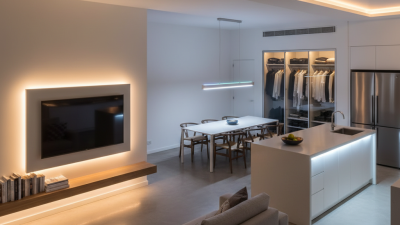
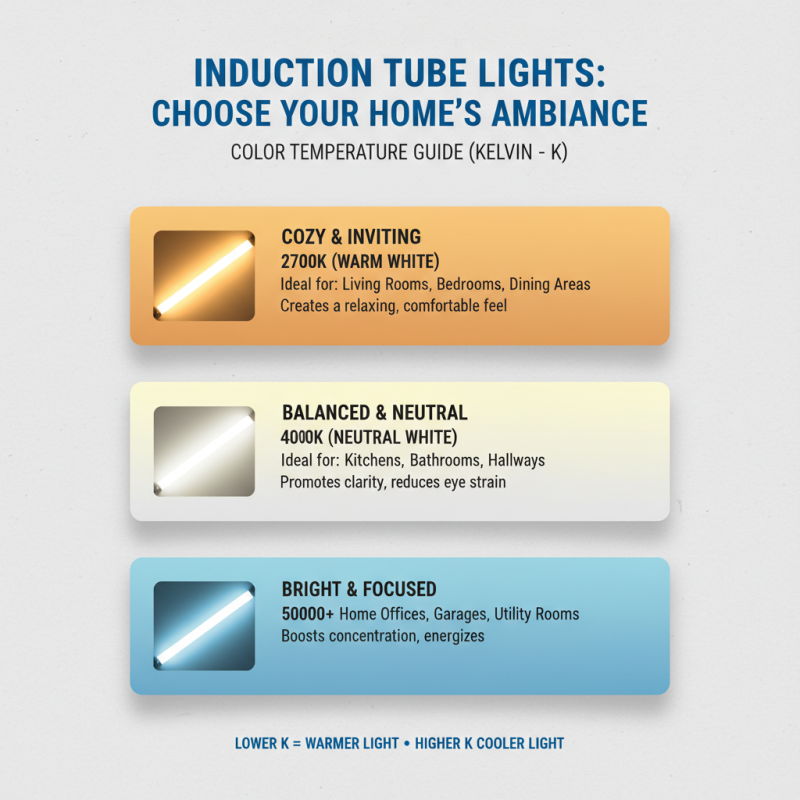
Choosing the right color temperature for your home's induction tube lights can significantly impact the ambiance. Color temperature is measured in Kelvin (K). A lower Kelvin value means warmer light, while a higher value indicates cooler light. For example, a temperature around 2700K creates a cozy, inviting atmosphere, perfect for living spaces.
Conversely, cooler lights, such as those above 5000K, give a brighter, more energetic feel. These lights are ideal for work areas or kitchens. However, too much cool light can feel sterile. You might find yourself longing for warmth after a long day.
Consider the specific use of each room. A warm glow can make a bedroom feel relaxing. In contrast, a cooler tone may enhance focus in a study. Test different lights in your space; sometimes, the difference is subtle, yet it can transform your experience. You may need to adjust your choices based on personal comfort. Don’t hesitate to change fixtures or bulbs if the ambiance doesn’t feel quite right. Lighting shapes mood, and finding the best fit requires some trial and error.
Installation Considerations: Ensuring Compatibility and Safety Standards
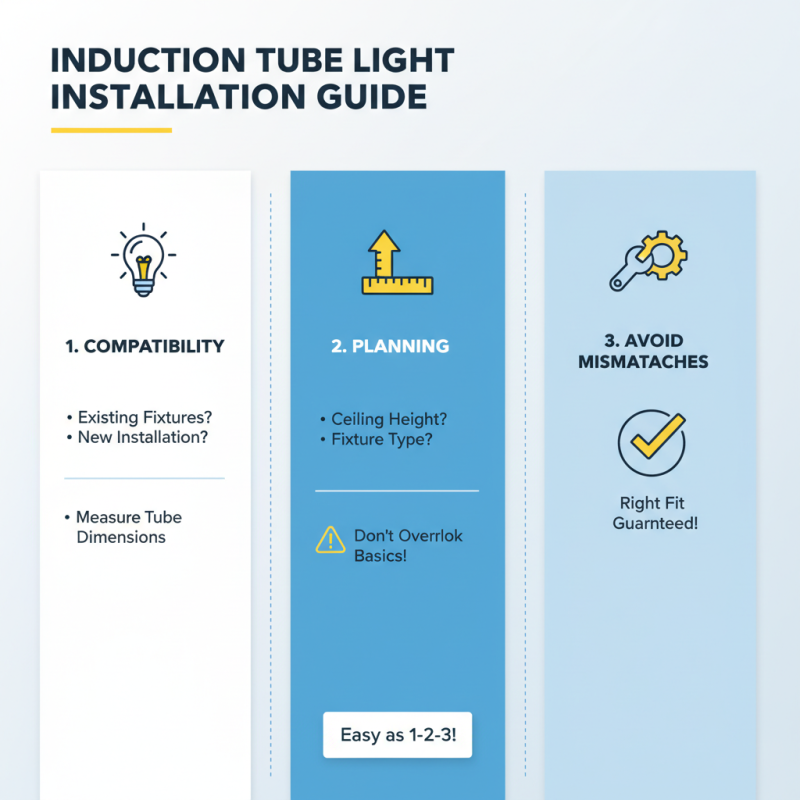
When installing induction tube lights, compatibility is crucial. Ensure that the light fits your existing fixtures or consider new installations if necessary. Measure the dimensions of your tubes to avoid mismatches. Understanding your ceiling height and fixture type can be a challenge. Sometimes, it's easy to overlook these basic details.
Safety standards are another key aspect. Check for certifications that guarantee compliance with local regulations. This includes ensuring the right wattage and voltage for your installation. Wiring issues can lead to hazards. A poorly done installation may result in flickering or worse, short circuits. It’s vital to follow installation guidelines closely, even if it feels tedious.
Always have a plan. Visualize the placement of your lights before starting. Create a checklist of components needed. This is often neglected but can save a lot of time. If you’re unsure, consult an expert. Relying on professionals can sometimes feel like giving up. However, it often results in a better and safer outcome. Prioritize quality over speed during installation for the best results.

 +86 18968869621
 CONTACT NUMBER