Why Choose Induction Triple Proof Light for Your Lighting Needs?
When it comes to effective lighting solutions, many businesses face a common challenge. They need durability, efficiency, and reliability. The Induction Triple Proof Light emerges as an excellent choice in this regard. Its unique features cater to various environments, from industrial to commercial settings. This advanced lighting technology withstands harsh conditions, ensuring long-lasting performance.
Induction Triple Proof Light not only resists water and dust but also endures extreme temperature fluctuations. This adaptability makes it suitable for diverse applications. Business owners often struggle with frequent replacements and maintenance. Choosing the Induction Triple Proof Light reduces these hassles, saving both time and costs.
However, not all users might recognize its full potential. Some may question the initial investment. Yet, the long-term benefits outweigh upfront expenses. The energy efficiency of this lighting solution also contributes significantly to lower electricity bills. With experience and expert opinions backing its efficacy, the Induction Triple Proof Light stands as a reliable option for those seeking quality lighting solutions.
Understanding Induction Triple Proof Light Technology
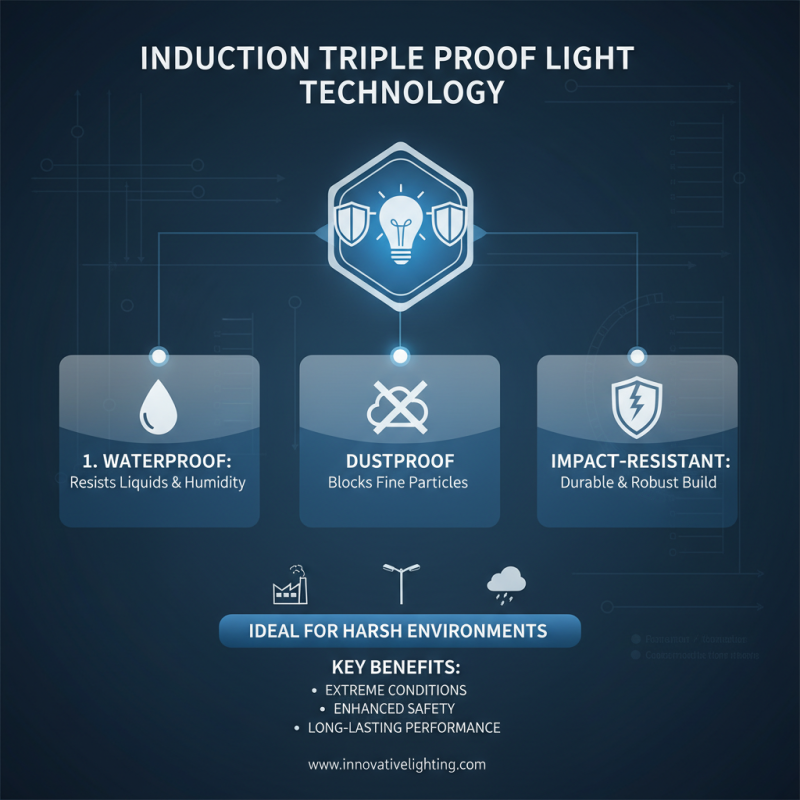
Induction triple proof light technology offers innovative solutions for various lighting needs. This technology is particularly effective in harsh environments. Its design resists water, dust, and impact, making it perfect for industrial and outdoor applications. The lights maintain performance even under extreme conditions. Safety is a priority, and the robust build ensures long-lasting use.
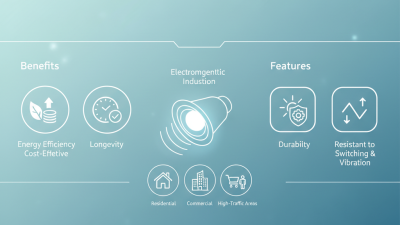
Understanding how induction triple proof lights operate is essential. They utilize electromagnetic induction, creating light through a gas-filled tube. This process is energy-efficient and reduces heat output. With fewer components, these lights often require less maintenance. Their lifespan can reach beyond 50,000 hours, providing extended service without frequent replacements. However, it's crucial to ensure proper installation to maximize efficiency.
Choosing induction triple proof lights means prioritizing durability and reliability. These lights may seem slightly more expensive initially but offer cost savings over time. A closer look at user reviews can highlight both advantages and drawbacks. While many praise their performance, some users note issues in specific installations. It’s always wise to weigh these factors before making a decision.
Key Benefits of Induction Triple Proof Lights
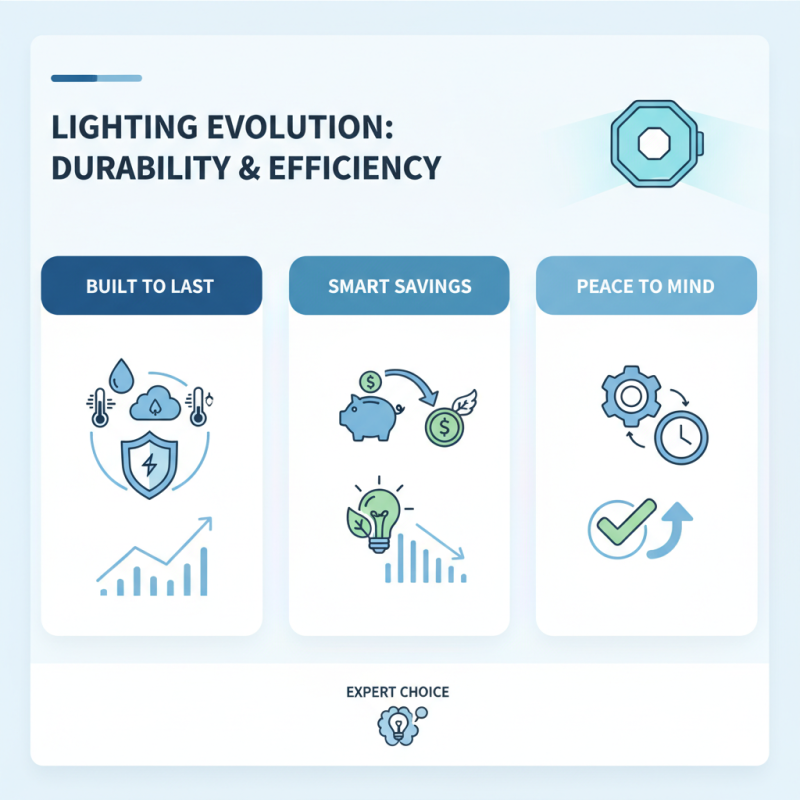
Induction triple proof lights are becoming increasingly popular for various applications. Their design offers unique advantages that cater to specific lighting needs. One key benefit is their durability. These lights are resistant to water, dust, and impact. This makes them suitable for harsh environments, such as factories and outdoor spaces. Many users appreciate that they require minimal maintenance, which can save both time and money on upkeep.
Another significant advantage is energy efficiency. Induction lighting consumes less energy compared to traditional options. This aspect can lead to reduced electricity bills over time. Furthermore, the long lifespan of induction lights means they need fewer replacements. Users often report satisfaction with how consistent and bright the lighting is. This quality enhances visibility, particularly in work settings where clarity is crucial.
However, it’s essential to choose the right specifications for your needs. Not every environment is ideal for induction lights. Challenges may arise in installations if the wrong types are selected. Understanding the specific requirements of your space can make a considerable difference in performance. Overall, induction triple-proof lights offer a blend of efficiency and durability, making them a worthy consideration for various lighting projects.
Benefits of Induction Triple Proof Lights
Applications of Induction Triple Proof Lights in Different Settings
Induction triple proof lights are gaining traction in various industries due to their robust performance and reliability in challenging environments. According to a report by the
Lighting Research Center, induction lighting can last up to 100,000 hours, significantly reducing replacement costs. This longevity makes it ideal for settings such as warehouses and manufacturing plants, where downtime can impact productivity.
In outdoor settings, these lights shine with exceptional brightness, even in extreme weather. Their resistance to dust, water, and corrosion makes them suitable for applications in coastal areas and regions with high humidity. Customization options, including different wattages and beam angles, allow businesses to tailor lighting to their specific needs. A study from the
U.S. Department of Energy highlighted that induction lights can improve safety by enhancing visibility in parking lots and public spaces.
Despite their advantages, some users express concerns over higher initial costs. Many facilities struggle to justify the upfront investment despite recognizing long-term savings. Addressing these apprehensions is crucial for wider adoption.
Not all businesses see the immediate benefits of induction lights. Understanding individual lighting needs and conducting a cost-benefit analysis is vital for making informed decisions in any industrial setting.
Comparing Induction Triple Proof Lights with Traditional Lighting Options
When comparing induction triple proof lights to traditional lighting options, the advantages become evident. Induction lights offer longer lifespans, often exceeding 100,000 hours. In contrast, conventional bulbs usually last only 1,000 to 2,000 hours. A study by the U.S. Department of Energy indicates that induction lighting can achieve energy savings of up to 50%. These savings are crucial for businesses aiming to reduce operational costs.
Moreover, induction lighting is built to endure harsh environments. They are resistant to dust, moisture, and corrosion, making them ideal for various industrial settings. According to the Energy Information Administration, over 30% of energy consumption in industries stems from lighting. By switching to induction units, facilities can significantly lower their energy footprint. The initial investment may appear high, but the return on investment through utility bill reductions justifies the cost over time.
However, it is essential to acknowledge the transition challenges. Switching to induction lighting requires proper installation and sometimes modifications to existing systems. Not all spaces may be best suited for this technology. Yet, with the growing push for energy efficiency, understanding your specific lighting needs becomes vital.
Eco-Friendliness and Energy Efficiency of Induction Triple Proof Lights
Induction triple proof lights stand out for their eco-friendliness and energy efficiency. These lights consume far less energy than traditional options. They provide bright illumination with reduced wattage. This leads to lower electricity bills and a smaller carbon footprint. Such efficiency is crucial for both residential and commercial spaces.
The durability of induction lights plays a significant role in their sustainability. They have a long lifespan, often exceeding 100,000 hours. This means fewer replacements and decreased waste. Also, their construction often features recyclable materials, promoting an environmentally responsible approach. It’s essential to consider that not all lights are created equal. Some might claim efficiency but fall short in real-world performance.
Choosing the right lighting solution requires careful thought. Induction triple proof lights may seem more expensive upfront, but the long-term savings and environmental impact are notable. While they excel in many areas, users must evaluate their specific needs. A one-size-fits-all approach may not apply. Assessing space and usage can lead to better choices in lighting that enhances both efficiency and sustainability.

 +86 18968869621
 CONTACT NUMBER