2026 How to Choose the Best Induction Cabinet Light for Your Home?
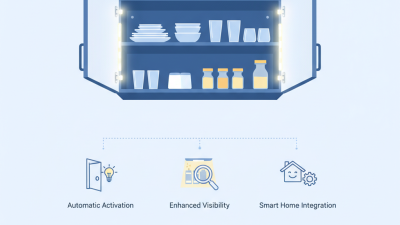
When considering how to choose the best Induction Cabinet Light for your home, the options can be overwhelming. John Smith, a lighting industry expert, emphasizes, "Choosing the right light can transform your space." Induction Cabinet Lights provide seamless illumination, enhancing both functionality and aesthetics in your cabinets.
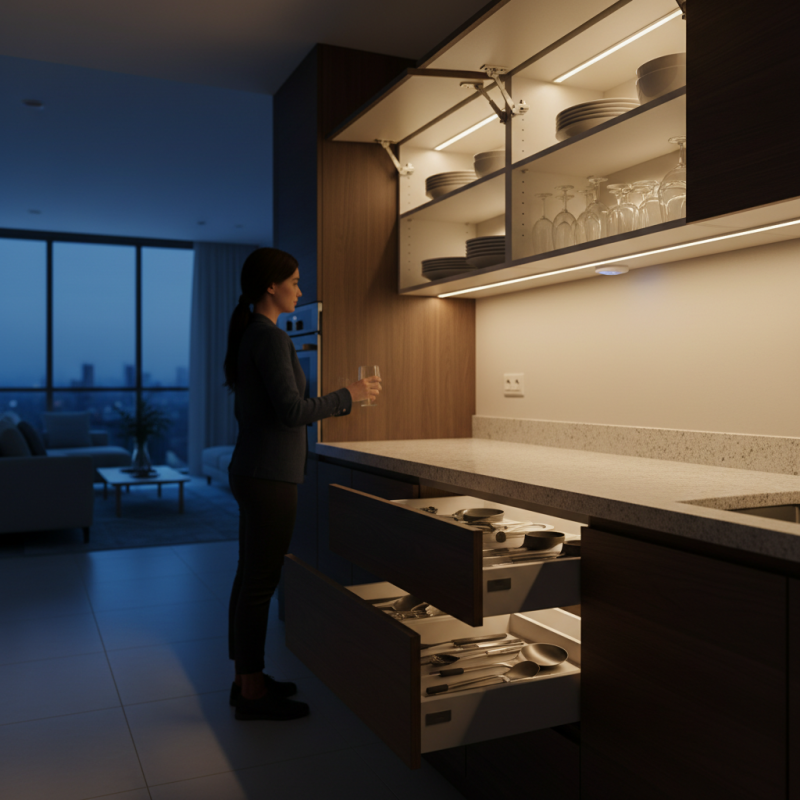
These lights use motion sensors and energy-efficient technology. This means they turn on as soon as you approach them. Picture opening your cabinet and being greeted by a warm, inviting glow. Yet, not all Induction Cabinet Lights are created equal. The market is filled with variations in brightness, color temperature, and design.
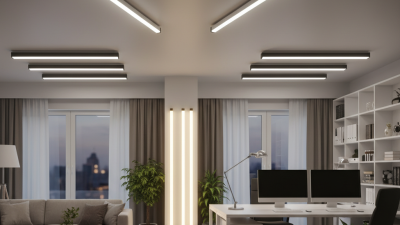
Reflecting on choices is crucial. You might find yourself drawn to sleek designs but unsure about the brightness. Sometimes it requires a bit of trial and error to find what complements your space. Investing in quality Induction Cabinet Lights not only improves visibility but can elevate the entire ambiance of your home.
Understanding Induction Cabinet Lights: Features and Benefits
Induction cabinet lights are a modern solution for illuminating spaces in your home. These lights operate through electromagnetic fields, heating only the pot or pan placed on the induction surface. According to a report by the U.S. Department of Energy, induction cooking systems can be up to 70% more efficient than traditional gas stoves.
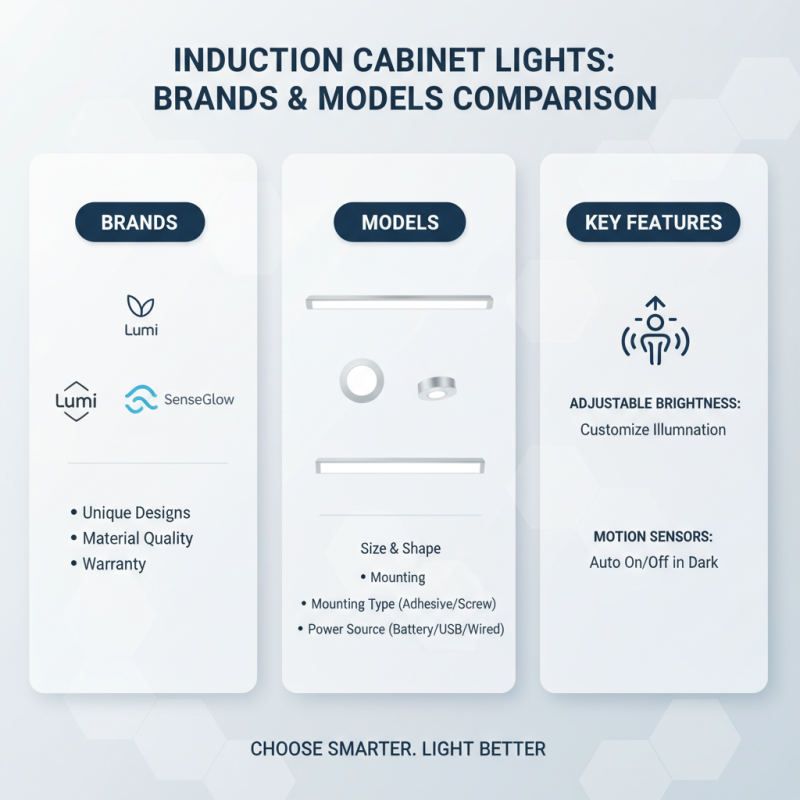
When choosing the best induction cabinet light, consider the brightness and color temperature. Lights with adjustable brightness provide flexibility. A warmer color temperature can create a cozy atmosphere, while cooler temperatures are better for task lighting. It's essential to select lights that are energy-efficient, as they significantly reduce energy consumption. For instance, LED options use about 75% less energy than incandescent bulbs.
**Tip**: Measure your cabinet spaces before purchasing. Ensure the lights fit well and provide adequate coverage.
Also, think about the installation process. Some lights come with complex setups. Consider choosing simpler options that require minimal tools and time. Make sure the lights match your home decor style; this adds to the overall appeal of your kitchen or workspace.
**Tip**: Read user reviews to understand the performance and reliability of induction cabinet lights. Design flaws and inconsistent brightness levels can often go unnoticed until after installation.
2026 How to Choose the Best Induction Cabinet Light for Your Home?
| Feature |
Description |
Benefits |
| Energy Efficiency |
Uses less electricity compared to traditional lights |
Lower energy bills and reduced carbon footprint |
| Brightness Levels |
Multiple brightness settings for varying tasks |
Customizable lighting for ambiance and functionality |
| Installation Type |
Easy installation options like adhesive or mounting brackets |
Convenient setup without professional help |
| Sensor Features |
Motion sensors that turn lights on/off automatically |
Enhances convenience and energy savings |
| Design Variations |
Various styles and colors to match home decor |
Aesthetic flexibility for interior design |
| Durability |
Built to last with high-quality materials |
Long lifespan reduces replacement frequency |
Different Types of Induction Cabinet Lights for Home Use
When choosing induction cabinet lights, consider the different types available.
There are motion sensor lights, which are convenient and energy-efficient.
These lights turn on automatically when you open the cabinet, providing instant illumination.
It's a small luxury that makes finding items easier, but sometimes they can be overly sensitive.
Another type is battery-operated lights.
These are perfect for spaces without electrical outlets. They can be mounted easily and provide adequate light.
However, you'll need to replace the batteries periodically. This can be a hassle if you forget to check regularly.
LED strip lights are also popular. They can be cut to size and offer a sleek look in cabinets.
They provide bright light but can look harsh if not placed correctly.
It's essential to test placement before final installation. Each type has its pros and cons, and the right choice depends on your specific needs and home layout.
Factors to Consider When Choosing Induction Cabinet Lights
When choosing induction cabinet lights, it's crucial to focus on brightness. The level of illumination can greatly affect the functionality of your cabinets. Aim for lights that provide adequate brightness without being overpowering. Consider how deep your cabinets are; deeper spaces may require more lumens for proper visibility.
Color temperature is another important factor. Warmer light (around 3000K) creates a cozy atmosphere, while cooler light (5000K or more) feels more clinical. Think about the overall tone of your kitchen. It should harmonize with your home decor. The placement of the lights is also essential. Proper positioning prevents shadows from obstructing your view of the items inside.
Power source considerations must not be overlooked. Battery-operated lights offer convenience in areas without outlets. However, they may require frequent battery changes. On the other hand, wired lights often provide consistent power but involve installation challenges. Check for easy installation options if you are not handy. A well-thought-out choice avoids frustration down the line.
Installation and Maintenance Tips for Induction Cabinet Lights
When you're considering installing induction cabinet lights, proper installation is key. A poorly placed light can create shadows. It can also make your cabinets less functional. Measure your cabinet spaces carefully before you begin. A tape measure is your best friend here. Installation height matters. Too high and you miss the benefit; too low and it becomes glaring.
Maintenance of your induction cabinet lights is just as important. Dust can accumulate quickly, dimming the brightness. Regularly check the bulbs and connections. A quick wipe with a soft cloth can make a big difference. If a light isn’t working, troubleshooting steps can help. Sometimes it’s just a loose connection that needs fixing.
Tips: Choose warm white light for a cozy feel in kitchens. Cool white is better for task-oriented areas. Always consult the instruction manual for specific installation guidelines. You might find yourself needing tools you didn’t expect. Prepare for some trial and error. Don't be afraid to ask for help if you get stuck. Induction lights offer great benefits, but they also need attention.
2026 Induction Cabinet Light Comparison
This bar chart compares the average brightness (in lumens), energy efficiency (in watts), and lifespan (in hours) of different induction cabinet lights commonly used in homes. Selecting the right light can enhance your kitchen's functionality while saving on energy costs.

 +86 18968869621
 CONTACT NUMBER