China Top Induction Downlight Features and Benefits Explained
Induction downlights are revolutionizing the lighting industry in China. As an energy-efficient solution, they provide superior illumination while reducing electricity consumption. According to lighting expert Dr. Jian Chen, “Induction downlights offer a unique blend of efficiency and longevity.” This highlights their importance in both residential and commercial spaces.
These fixtures utilize advanced technology to achieve remarkable performance. They are durable and often last longer than traditional options. However, some consumers remain skeptical about their effectiveness and long-term value. This doubt is a reminder that not every product suits every need.
The growing popularity of induction downlights reflects a significant trend towards sustainable living. As consumers switch to energy-efficient solutions, manufacturers must ensure quality and reliability. Addressing concerns and providing clear information is essential to build trust in this innovative lighting technology.
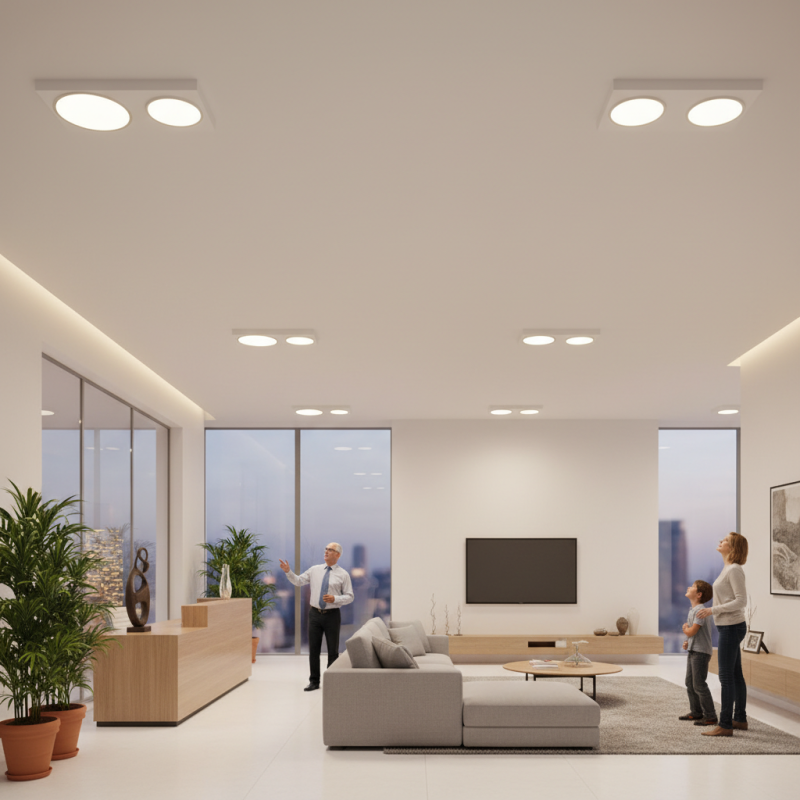
Overview of Induction Downlights in China
Induction downlights are becoming increasingly popular in China. This trend is driven by
efficiency and
sustainability. According to a recent market report, the demand for energy-efficient lighting solutions is expected to grow by over 15% annually. Induction downlights have an average lifespan of
100,000 hours. This longevity significantly reduces maintenance costs.
These fixtures use electromagnetic induction to produce light. This technology can yield up to
90% energy savings compared to traditional lighting. Despite these advantages, the market faces challenges. The initial investment is higher for induction downlights. Some consumers still hesitate due to this upfront cost. However, the long-term savings on energy bills often outweigh the initial expenses.
Moreover, induction downlights operate with high luminous efficacy. They provide bright, consistent lighting quality. A survey showed that 75% of users report increased satisfaction with their lighting environment. Balancing quality and cost remains a key concern for potential buyers. As the market matures, educational initiatives may help bridge this gap. The focus on performance and sustainability will likely drive further adoption.
Key Features of China’s Top Induction Downlights
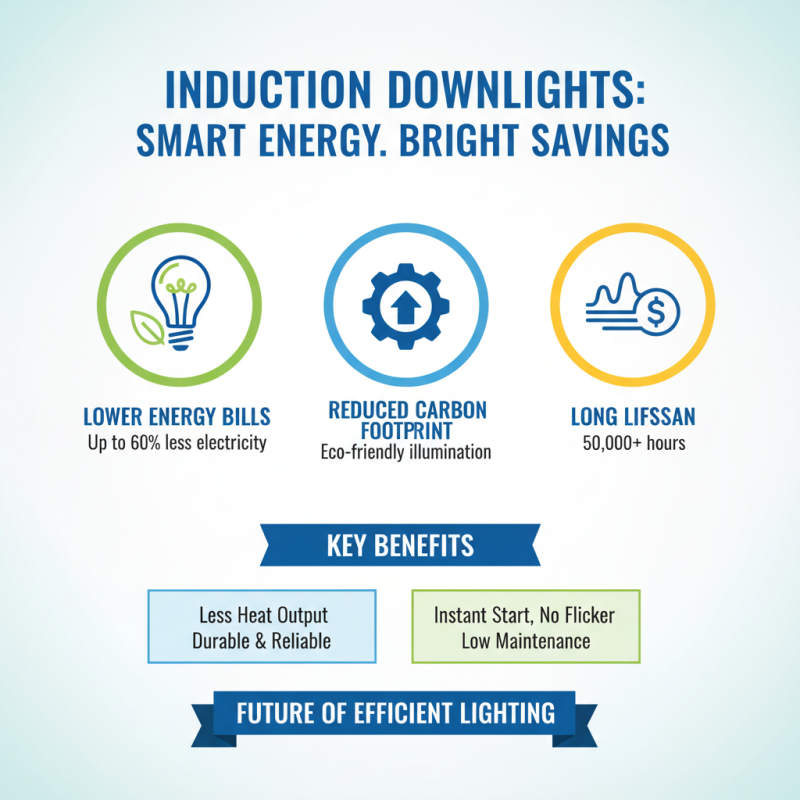
Induction downlights are becoming increasingly popular in lighting design. These fixtures stand out due to their energy efficiency and longevity. With an average lifespan of over 50,000 hours, they can significantly reduce replacement costs and maintenance efforts. This durability is a key benefit for both residential and commercial environments.
One major feature is their instant on capability. Unlike traditional fluorescent lights, induction downlights reach full brightness immediately. This means no waiting time for illumination, which is crucial in settings like retail spaces or galleries. Additionally, these lights produce a high-quality light that enhances color accuracy. This is especially important for showcasing products effectively.
However, not all induction downlights are created equal. The initial installation cost can be higher than some conventional options, which might deter some users. It’s vital to weigh the upfront investment against long-term energy savings. Furthermore, while they are generally low maintenance, the technology is still evolving, and some users may encounter early failures. Exploring various models and user reviews can help in making a more informed decision.
Benefits of Using Induction Downlights for Energy Efficiency
Induction downlights are becoming a popular choice for energy efficiency. They offer several benefits that make them an ideal lighting solution. One of the primary advantages is their energy-saving capabilities. Induction lighting uses less electricity compared to traditional sources. This leads to lower energy bills and a reduced carbon footprint.
Another significant benefit is their longevity. Induction downlights can last up to 100,000 hours. This reduces the frequency of replacements, saving time and money. Additionally, the lights maintain consistent brightness over their lifespan. Users often appreciate the steady illumination quality.
Tips for selecting induction downlights include considering the lumen output. This determines the brightness level. Choosing the right color temperature is also important. Warmer tones create cozy environments, while cooler tones promote focus.
While induction downlights are efficient, their initial cost may be higher. This can be a barrier for some. Reflecting on this can help potential buyers weigh long-term savings against upfront expenses. Overall, understanding the practical benefits of induction lighting can guide better decisions.
Applications of Induction Downlights in Various Settings
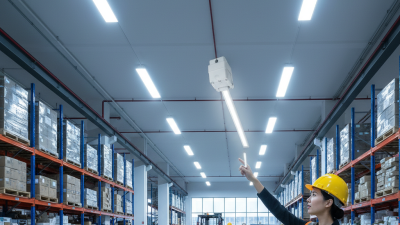
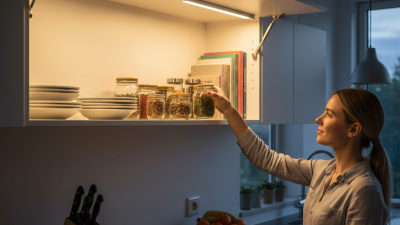
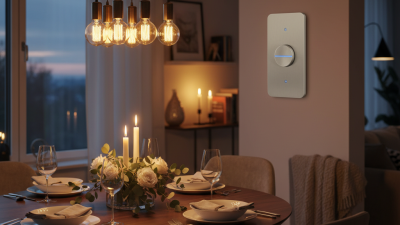
Induction downlights are increasingly popular in various environments. Their efficient lighting and longevity make them suitable for both residential and commercial spaces. In homes, they can enhance ambiance while saving energy. Their sleek design blends seamlessly into ceilings, providing a modern look.
In office settings, induction downlights contribute to productivity. They illuminate workspaces effectively and reduce eye strain. The consistent light quality fosters a comfortable environment, necessary for concentration. Retail stores also benefit; strategically placed downlights highlight products, drawing customers in. However, placement must be considered carefully to avoid creating unwanted shadows.
Public areas like galleries or museums use induction downlights to showcase art. The lights enhance colors without causing heat damage. Yet, maintenance can be a concern; while they last longer than traditional options, occasional brightness inconsistent may need attention. Overall, induction downlights cater to diverse needs, but their effectiveness relies on proper installation and regular checks.
Applications of Induction Downlights in Various Settings
Comparative Analysis: Induction Downlights vs. Traditional Lighting
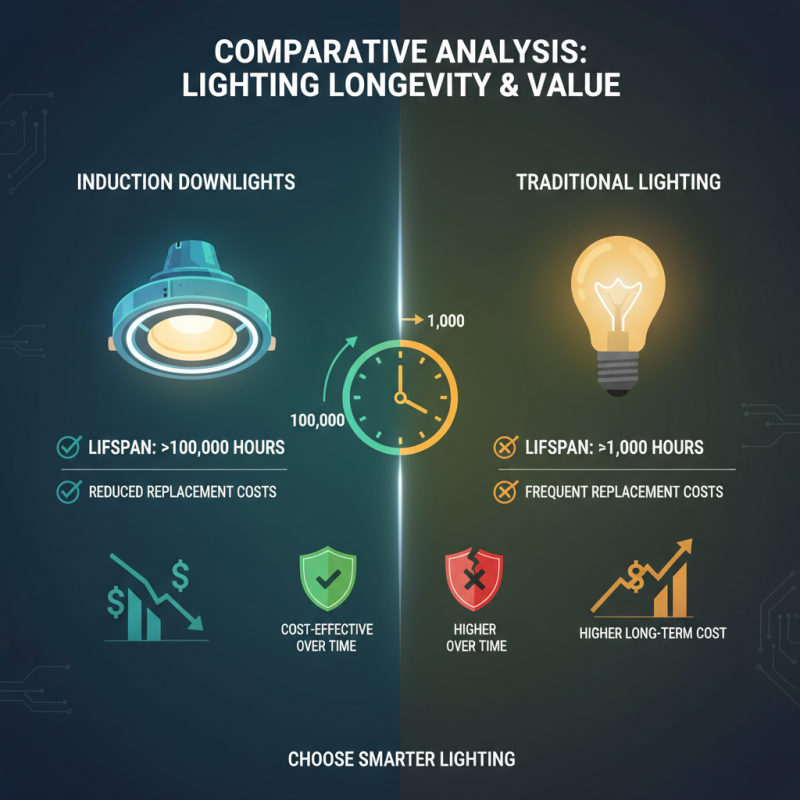
When comparing induction downlights to traditional lighting, notable differences emerge. Induction downlights offer longer lifespans, often exceeding 100,000 hours. In contrast, traditional bulbs may last around 1,000 hours. This longevity can significantly reduce replacement costs over time, appealing to commercial and residential users.
Energy efficiency is another crucial factor. According to the U.S. Department of Energy, induction lighting uses up to 50% less energy than traditional incandescent options. This translates to lower electricity bills. Induction downlights emit less heat, resulting in cooler environments and reduced air conditioning demands.
**Tips:** Consider installation location when choosing lighting. Induction may perform better in high ceilings. Yet, installation costs can be higher than traditional systems. Evaluate your budget beforehand. Think about the light quality as well. Induction downlights provide uniform lighting, but traditional bulbs may offer warmer tones.
In light quality, induction downlights often deliver better color rendering. They maintain consistent brightness over time, unlike traditional lights that may dim. While these features are appealing, some users report that induction downlights have a higher initial cost, which can be a barrier.
Understanding these differences equips users to make informed decisions in their lighting choices.

 +86 18968869621
 CONTACT NUMBER