China Top Emergency Lighting Solutions for Safety and Preparedness?
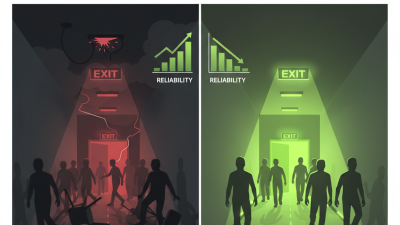
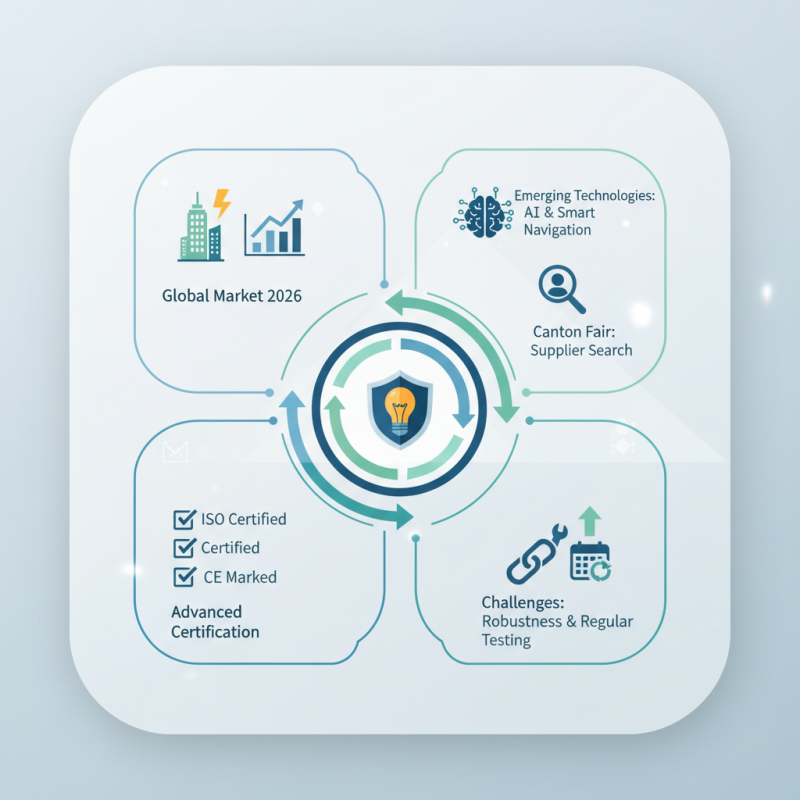
In today’s world, safety is paramount, especially in emergencies. Emergency lighting plays a critical role in ensuring quick navigation and safe evacuation during power outages or crises. According to industry reports, the global emergency lighting market is projected to reach $7.36 billion by 2026, reflecting an increasing demand for reliable safety solutions.
Emerging technologies, such as smart navigation and AI integration, are revolutionizing emergency lighting systems. For instance, the 139th Canton Fair aims to leverage AI for better supplier search capabilities. This will allow buyers to locate qualified suppliers rapidly, enhancing operational efficiency. As safety standards evolve, emergency lighting must meet advanced certification criteria, such as ISO and CE.
Despite these advancements, certain challenges exist. Some systems may lack the robustness required for high-stress situations. Regular testing and upgrades are necessary to avoid potential failures. It's crucial to reflect on these shortcomings, improving designs for maximum reliability in all scenarios. The journey towards enhanced safety is ongoing, demanding continuous innovation in emergency lighting solutions.
China's Leading Emergency Lighting Technologies for Safety
Emergency lighting technologies play a crucial role in ensuring safety during unexpected events. In China, there is a range of advanced solutions designed to provide illumination during emergencies. These solutions not only improve visibility but also enhance the safety of individuals in diverse settings. Modern emergency lights are often equipped with robust features, such as high brightness LEDs and long battery life.
One innovative aspect of these technologies is their integration with smart systems. They can automatically activate during power outages or emergencies. However, there are challenges. Not all systems function seamlessly. Some might fail to turn on when needed most. Regular maintenance is critical to avoid such issues. Furthermore, training for users is sometimes overlooked. Accessibility for all users remains an ongoing concern.
When evaluating these technologies, reflection is essential. Are we fully prepared for emergencies? Do we conduct routine checks and drills? Emergency lighting is just one component of a comprehensive safety plan. It deserves attention and regular updates. Investing in reliable emergency lighting can make a significant difference in response times and overall safety.
China's Leading Emergency Lighting Technologies for Safety
| Technology Type |
Brightness (Lumens) |
Battery Life (Hours) |
Charging Time (Hours) |
IP Rating |
| LED Emergency Light |
1000 |
10 |
4 |
IP65 |
| Solar-powered Light |
800 |
12 |
6 |
IP67 |
| Rechargeable Lantern |
600 |
8 |
3 |
IP54 |
| Portable LED Flood Light |
1500 |
5 |
2 |
IP68 |
| Emergency Exit Light |
300 |
12 |
4 |
IP20 |
Key Features of Effective Emergency Lighting Solutions
Effective emergency lighting solutions are crucial for ensuring safety during unexpected situations. A reliable emergency lighting system should automatically activate during power outages. This feature allows people to navigate safely in darkness. Additionally, lighting should be bright enough to illuminate exit paths clearly. This helps reduce panic and guides individuals toward safety.
Another important aspect is battery longevity. In emergencies, lights must stay on for extended durations. A system that does not last long enough can be problematic. Regular maintenance is essential to ensure lights are functioning properly. Ignoring this can lead to critical failures when they are needed the most.
Moreover, versatility is a key feature. Emergency lights should cater to different environments, from residential to commercial settings. They must adapt to various needs. Some may require bright illumination, while others might focus on subtle guidance. Consideration of these details often gets overlooked. It’s vital to reassess current systems and address any shortcomings regularly.
Market Trends in China's Emergency Lighting Industry
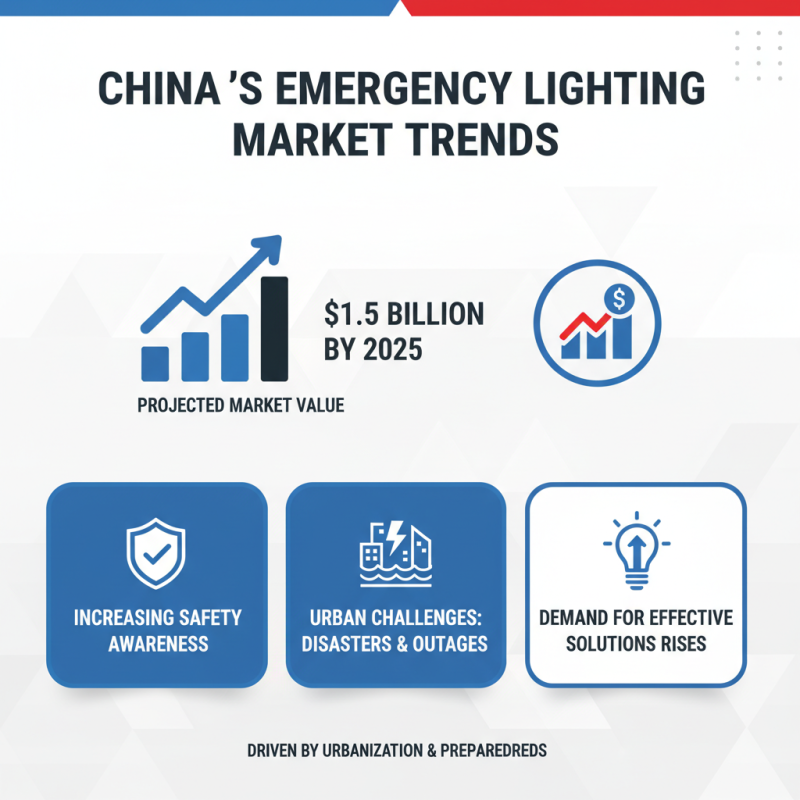
The emergency lighting industry in China is experiencing significant growth. According to a recent market report, the sector is projected to reach $1.5 billion by 2025. This growth is driven by increasing awareness of safety protocols and the necessity for preparedness in urban areas. Cities are faced with challenges like natural disasters and power outages. As a result, the demand for effective emergency lighting solutions is on the rise.
In recent years, innovation has become crucial. Many suppliers are focusing on energy-efficient LED technologies. These products are not only cost-effective but also environmentally friendly. Recent data indicates that LED emergency lights can reduce energy consumption by up to 70% compared to traditional systems. However, the market also faces challenges, such as inconsistent quality and lack of standardized regulations. These issues can lead to unreliable performance during critical situations.
Moreover, consumer awareness remains low in some regions. Many people do not recognize the importance of having backup lighting. Educational campaigns could play a role in addressing this knowledge gap. It is essential for the industry to connect with end-users. Without clear information, the benefits of advanced emergency lighting solutions may go unnoticed. This gap presents an opportunity for improvement and growth within this evolving market.
Best Practices for Implementing Emergency Lighting Systems
When implementing emergency lighting systems, it’s crucial to adhere to best practices to ensure safety and effectiveness. According to recent industry reports, nearly 70% of all emergency situations require proper lighting to guide individuals to safety. This fact underscores the need for regular maintenance and testing of these systems. Properly functioning emergency lights are essential.
Furthermore, placement is vital. Emergency lighting must be located where people congregate and in high-traffic areas. Research shows that 40% of incidents occur in dimly lit zones. If lights are poorly positioned, they may not serve their purpose. Regular drills can help familiarize occupants with evacuation routes highlighted by these lights.
Training staff is just as important as deploying the systems. Studies indicate that trained individuals respond more effectively in emergencies. Yet, many systems go underutilized due to a lack of awareness. This gap is an area for improvement. Evaluating current practices and identifying flaws in the system can lead to better preparedness and safety outcomes.
China Top Emergency Lighting Solutions for Safety and Preparedness
Case Studies of Successful Emergency Lighting Deployments in China
Emergency lighting plays a crucial role in ensuring safety during crises. In China, several successful case studies illustrate the effectiveness of these solutions. In urban areas, particularly in high-rise buildings, reliable emergency lighting systems are vital. For instance, a deployment in a Shanghai skyscraper helped evacuate over 2,000 occupants during a simulated emergency. The lighting illuminated escape routes and stairwells in under three seconds.
Data from the China Fire Protection Association indicates that proper emergency lighting can reduce evacuation times by up to 40%. However, challenges remain. Some installations have been criticized for inadequate battery life. In one case, a Beijing shopping mall faced backlash when emergency lights failed during a minor fire drill. This incident highlighted the importance of regular maintenance and testing.
Moreover, Chinese manufacturing standards are evolving. A report from the National Institute of Standards notes that compliance with new safety protocols is essential. As cities grow and more infrastructures rise, the demand for effective emergency lighting solutions will increase. Yet, continuous assessments are necessary to address gaps in safety measures. Ensuring public safety remains a shared responsibility.

 +86 18968869621
 CONTACT NUMBER