What is the Best Cold Storage Lamp for Your Needs?
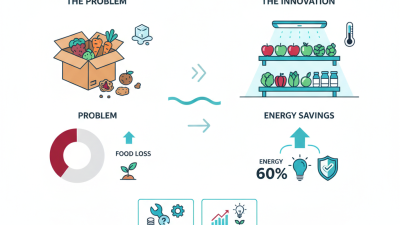
Choosing the right Cold Storage Lamp can significantly impact your storage environment. A suitable lamp not only provides adequate illumination but also helps maintain the right temperature for your stored items. Whether you are dealing with food, pharmaceuticals, or sensitive materials, the right lighting is crucial.
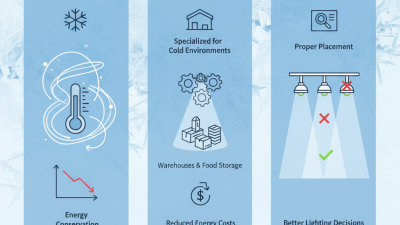
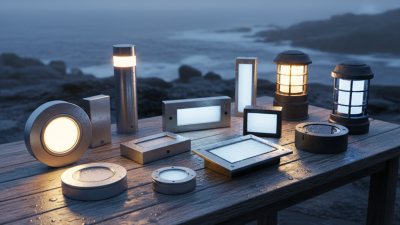
Different Cold Storage Lamps serve various needs. Some lamps maximize energy efficiency, while others focus on durability and longevity. Consider the specific conditions of your storage space. Will it be exposed to extreme temperatures? Is moisture a factor? These details matter when selecting the proper lamp.
While many options may seem appealing, not all lamps will meet your unique requirements. Researching brands and consulting with experts ensures you make an informed decision. A reliable Cold Storage Lamp can save costs and improve safety in your storage area. Don’t overlook the importance of this choice. Your stored items deserve the best protection possible. Remember, the right lighting solution contributes not only to efficiency but also to overall success in storage management.
Understanding Cold Storage Lamps: Types and Technologies
When it comes to cold storage lamps, understanding the types and technologies available is key. Common types include fluorescent, LED, and high-intensity discharge lamps. Each has distinct features, making them suitable for different applications. Fluorescent lamps, for instance, are energy-efficient and often used in commercial settings. In contrast, LED lamps offer longer lifespans and lower energy costs.
Another critical consideration is the technology behind these lamps. For example, some lamps are designed to operate in extreme cold, ensuring reliable performance even in sub-zero temperatures. This is essential for preserving perishable goods in cold storage environments. Users should also consider the light spectrum, which affects how products appear to customers.
Tips for choosing the right lamp include assessing your specific storage needs. Measure the size of the space and the items stored. Look for lamps with adjustable brightness features. This allows for flexibility in illuminating different areas. Ensuring compatibility with existing fixtures is vital, too. Test various options to find which provides the best visibility. Remember, a poorly chosen lamp could lead to product deterioration. Evaluate the performance of your selected lamp over time. Reducing energy consumption is always a good goal to work towards.
What is the Best Cold Storage Lamp for Your Needs?
| Lamp Type |
Wattage |
Color Temperature (K) |
Lifespan (Hours) |
Energy Efficiency |
| LED |
15W |
5000K |
25000 |
A+ |
| CFL |
20W |
4100K |
10000 |
B |
| Halogen |
50W |
3000K |
2000 |
D |
| Incandescent |
60W |
2700K |
1000 |
E |
| Fluorescent |
30W |
3500K |
7500 |
C |
Key Factors to Consider When Choosing a Cold Storage Lamp
Choosing the right cold storage lamp requires careful consideration of several factors. First, the light intensity is crucial. A lamp must provide sufficient brightness for efficient inspection and monitoring of stored items. Insufficient light can lead to missed details and potential spoilage. Look for lamps that offer adjustable brightness settings. This feature allows you to customize the light to your specific needs.
The color temperature of the lamp is another important aspect. Cold storage environments often benefit from cooler tones that enhance visibility without generating too much heat. Ideally, the lamp should be bright enough for clarity yet gentle enough to avoid damaging sensitive items. It’s also essential to consider energy efficiency. Choose a lamp with a long lifespan and low energy consumption. This can save costs and reduce frequent replacements.
Lastly, durability matters. Cold storage often involves challenging conditions. Humidity and temperature fluctuations can affect lamp performance. Opt for lamps that are resistant to these factors. Look for features like waterproofing or robust materials. Reflecting on these elements helps ensure you choose a lamp that meets your cold storage needs effectively. Each of these factors contributes to a reliable choice. Taking time to assess them can prevent future issues.
What is the Best Cold Storage Lamp for Your Needs?
This bar chart illustrates key features to consider when choosing a cold storage lamp, including energy efficiency, light output, lifespan, cost, and temperature range. Analyzing these factors is essential for selecting the right lamp for your specific needs.
Comparing Energy Efficiency Ratings of Cold Storage Lighting Options
When selecting cold storage lighting, energy efficiency should be a priority. Different lighting options vary significantly in their energy consumption.
LED lights
are often recommended due to their low energy usage and long lifespan. They provide bright illumination with minimal heat output. This feature is crucial in maintaining the temperature in cold storage areas.
However, not all LED options are created equal. Some may offer better energy efficiency ratings than others. It’s essential to examine these ratings closely.
Furthermore, consider factors like color temperature. A cooler light may enhance visibility, but it can also impact energy consumption.
Maintenance is another consideration when evaluating cold storage lamps. Over time, bulb replacement can add to operational costs. Opt for lights with lower failure rates to avoid unexpected expenses.
Understanding the nuances of energy efficiency ratings can lead to smarter choices. It's a balance of upfront costs and long-term savings.
The Role of Color Temperature in Cold Storage Lighting
When considering cold storage lighting, color temperature plays a crucial role. The right temperature can enhance visibility and affect product quality. Generally, cooler color temperatures (between 4000K and 6000K) create a bright environment. This is essential for inspecting items thoroughly. It also helps maintain freshness in perishable products.
Tips for selecting color temperature: Assess the types of products stored. If you focus on fruits and vegetables, opt for cooler temperatures. They help minimize spoilage and extend shelf life. However, for items like meat and dairy, consider warmer lights. Cooler lamps may make some products appear less appealing.
Not all spaces will benefit from the same color temperature. Experiment with different settings. Observe how the lighting impacts product presentation. You might find that a slight change improves aesthetics. Lighting quality influences customer perception. Thus, don't hesitate to adjust until the right balance is reached. Make informed choices over time.
Industry Standards and Regulations for Cold Storage Lighting Solutions
In cold storage environments, proper lighting is essential for safety and efficiency. Industry standards and regulations play a vital role in determining the right solutions. The Food and Drug Administration (FDA) and other regulatory bodies have specific guidelines to ensure safety and quality in food storage. Understanding these standards can help businesses stay compliant and protect their products.
When choosing lighting, consider lumens per watt and energy efficiency. Common recommendations suggest 200 to 300 lux for areas where food is stored. The temperature of the light is crucial as well. Cooler lights, typically above 4000K, work better in cold storage settings. They help visibility and safety while reducing heat output.
**Tip:** Regularly evaluate your lighting setup to ensure compliance with current regulations. Over time, technologies change, and what worked before might not be optimal now.
Always prioritize durability and resistance to cold environments. This aids in long-term reliability. Another critical aspect is the distribution of light. It should be uniform to avoid any shadowy areas, which can lead to safety hazards. Regular inspections can help maintain a well-lit and safe environment for storing perishable goods.
**Tip:** Consult with lighting specialists who are well-versed in industry standards. This ensures that you're making informed decisions based on expertise, helping you navigate the complexities of cold storage lighting effectively.

 +86 18968869621
 CONTACT NUMBER