2026 Top Waterproof Downlight Trends and Innovations to Watch?
As the demand for innovative lighting solutions grows, the waterproof downlight market is on the rise. Reports from industry experts indicate that the global market for waterproof downlights is expected to reach over $1.2 billion by 2026. This surge highlights the importance of understanding the trends shaping this segment.
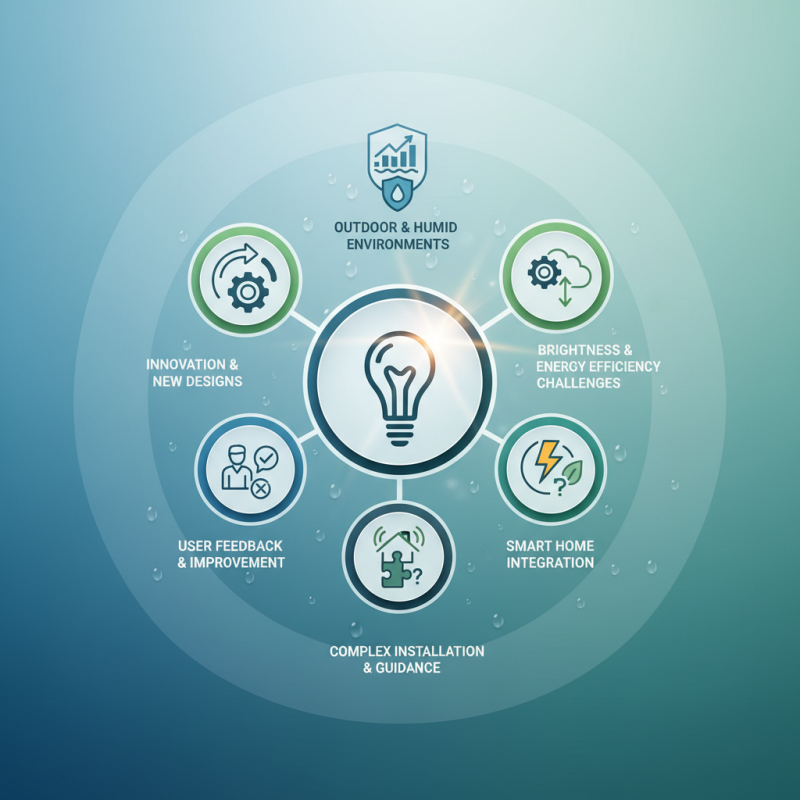
Waterproof downlights are becoming essential in various settings, particularly in outdoor and humid environments. For instance, advancements in technology now allow manufacturers to produce lights that withstand moisture and rain, ensuring durability and longevity. However, the industry still faces challenges. Some products may fail to meet consumer expectations regarding brightness and energy efficiency.
Innovation is crucial in this evolving market. New designs and smarter functionalities are being introduced. Integration with smart home systems is gaining traction as consumers seek connected experiences. Yet, there is room for improvement. Many waterproof downlights lack user-friendly installation processes. Feedback from users suggests a need for better guidance in product selection. Emphasizing these aspects will help refine the waterproof downlight offerings for 2026 and beyond.
2026 Waterproof Downlight Design Trends to Enhance Aesthetics
In 2026, waterproof downlight designs will play a crucial role in enhancing aesthetics across various spaces. Homeowners will increasingly favor modern and sleek designs that seamlessly blend with interior themes. A recent industry report notes that around 70% of consumers emphasize the importance of design when choosing lighting fixtures. This shift highlights the balance between form and function.
Innovations in materials will shape these trends. Eco-friendly materials are gaining traction, reflecting a growing awareness of sustainability. Waterproof downlights must not only look good but also withstand environmental challenges. For instance, products with IP65 ratings or higher are now essential. These ratings indicate resistance to dust and water, making them ideal for outdoor settings.
Color temperature and dimmability are also key considerations. Studies indicate that 60% of users prefer adjustable lighting options for flexible ambiance control. Such features provide not just practicality but also a mood-enhancing touch. Aesthetics will increasingly focus on creating a welcoming environment, pushing designers to reflect on user experience. This complexity brings challenges, as balancing visual appeal and functionality can sometimes lead to disconnects in design intent.
Innovative Materials for Increased Durability in Waterproof Downlights
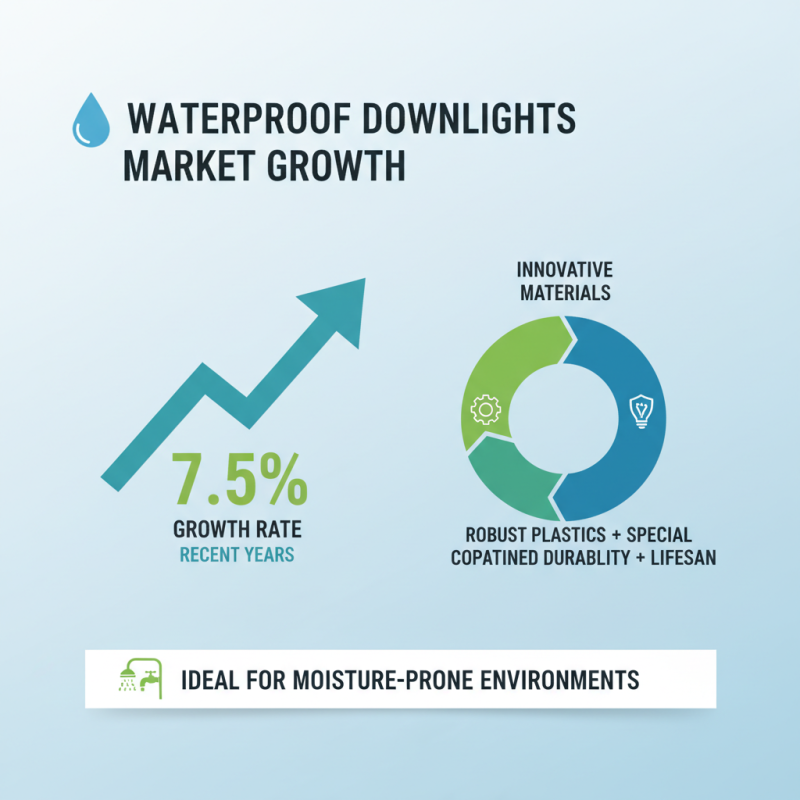
In recent years, the demand for waterproof downlights has surged. A market report indicated a growth rate of 7.5% in this sector. This rise is largely due to advancements in innovative materials that enhance durability. Manufacturers are focusing on using robust plastics and special coatings. These innovations improve the lifespan of downlights, especially in moisture-prone environments.
Polycarbonate and silicone are now favorites for many designs. They resist degradation from water and humidity effectively. Tests show that downlights made from these materials can last 30% longer compared to traditional models. However, not every product on the market meets high standards. Some still rely on outdated materials that compromise performance.
Despite improvements, challenges persist. Cost can be a factor; high-quality materials can drive prices up. Additionally, not all manufacturers offer sufficient warranties. This lack of confidence makes consumers hesitant. Transparency in testing and material sourcing becomes crucial. Improved communication from companies can help ease buyer concerns.
Smart Technology Integration in Waterproof Downlight Solutions
The integration of smart technology in waterproof downlights is transforming the lighting industry. These innovative solutions offer much more than basic illumination. They ensure safety and functionality, even in the most challenging environments. Picture outdoor pathways illuminated through smart sensors that adjust brightness based on ambient light. Such features enhance visibility while saving energy.
Additionally, the ability to control lighting via mobile apps is a game-changer. Homeowners can adjust settings from anywhere. Imagine being able to set the atmosphere for an evening gathering, all through your smartphone. However, it’s essential to consider potential challenges. Connectivity issues might arise in certain environments. Furthermore, the user interface must be intuitive, as some people find technology overwhelming.
Despite these hurdles, the demand for smart waterproof downlight solutions is growing. Designers and architects are increasingly looking at these fixtures for projects. They recognize the need for both aesthetic appeal and practicality. The trend reflects a shift towards embracing innovation while addressing typical user concerns, creating a more versatile lighting experience.
Future Directions: Sustainability and Eco-friendly Practices in Lighting
The lighting industry is rapidly shifting towards sustainability. Innovative technologies are leading the way in eco-friendly practices. According to a recent report, about 70% of consumers prefer energy-efficient lighting options. This trend underlines the demand for products that minimize environmental impact.
Waterproof downlights can now be made from recycled materials. Brands are exploring bioplastics and energy-saving LEDs. Research indicates that using LEDs can reduce energy consumption by up to 80%. Yet, some manufacturers still rely on traditional materials, reflecting a gap in the industry’s commitment to sustainability.
Another issue lies in the end-of-life management of lighting products. A significant percentage of downlights end up in landfills. Only 15% are recycled properly. There's a push for take-back programs and better recycling methods. This highlights a need for more transparency and responsibility within the lighting sector. Future innovations must address these challenges head-on.
2026 Top Waterproof Downlight Trends and Innovations to Watch
| Trend/Innovation |
Description |
Sustainability Aspect |
Expected Impact |
| Smart Connectivity |
Integration of IoT for remote control and energy management. |
Reduces energy waste |
Enhances user convenience |
| LED Technology Advancements |
Improved efficiency and brightness while consuming less energy. |
Longer lifespan reduces waste |
Increases cost-effectiveness |
| Eco-Friendly Materials |
Utilization of recyclable and sustainable materials in housing. |
Less environmental impact |
Promotes circular economy |
| Waterproof Ratings Enhancement |
Higher IP ratings to withstand extreme conditions. |
Durability reduces need for replacements |
Improves installation versatility |
| Adaptive Lighting |
Lighting systems that adjust intensity based on natural light. |
Maximizes natural resource use |
Reduces electricity costs |

 +86 18968869621
 CONTACT NUMBER