2026 Top Induction Downlight Trends for Global Buyers
The induction downlight market is evolving rapidly. A recent report from the Global Lighting Association indicates a projected growth rate of 14% annually through 2026. This trend is driven by advancements in energy efficiency and user demand for smart lighting solutions.
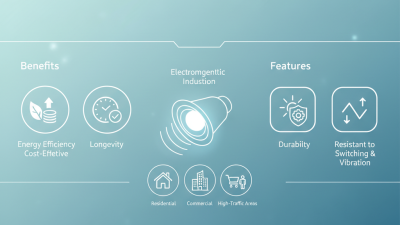
Induction downlights offer unique advantages. They use electromagnetic fields to produce light, resulting in longer lifespans and lower energy consumption compared to traditional options. However, industry experts caution about potential challenges, such as initial installation costs.
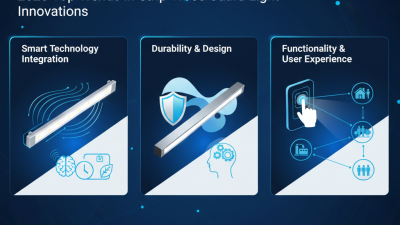
Many manufacturers are focusing on enhancing design and integration capabilities. They aim to create seamless solutions for modern interiors. As global buyers look for innovative lighting solutions, understanding these trends in induction downlights becomes crucial for informed decision-making.
Emerging Technologies in Induction Downlight Design for 2026
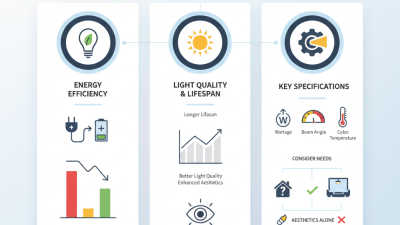
As we look towards 2026, the induction downlight market is poised for remarkable transformations. Emerging technologies play a critical role in enhancing design efficiency and energy consumption. Current data indicates that induction lighting can achieve energy savings of up to 70% compared to traditional lighting options. This significant reduction aligns with global sustainability goals.
The integration of smart technology is another trend on the rise. Systems that allow for automated adjustments based on ambient light and occupancy are becoming increasingly common. Reports suggest that about 40% of consumers prioritize smart features in their lighting choices. However, the uptake of these technologies has not been uniform. A segment of the market still finds it challenging to adapt to these new systems.
Moreover, advancements in materials are transforming aesthetics and longevity. Manufacturers are experimenting with lightweight, durable materials that enhance product lifespan while maintaining a sleek appearance. Yet, the cost of these innovations often raises concerns. Balancing quality and affordability continues to be a key challenge. Manufacturers must reflect on how to deliver value while embracing these technological advancements.
Sustainability and Eco-Friendly Materials in Downlight Manufacturing
The lighting industry is embracing sustainability as a core tenet of downlight manufacturing. Eco-friendly materials are becoming more than just a trend; they are essential for responsible production. Manufacturers are exploring options like recycled metals and biodegradable plastics to reduce environmental impact. This shift not only caters to ethical consumerism but also aligns with global efforts to combat climate change.
Marketers and designers are recognizing that energy efficiency should also play a role in these developments. Induction downlights are known for their longevity and lower energy consumption. However, the push for sustainable production often faces challenges. Sourcing raw materials sustainably can sometimes lead to compromises in performance or aesthetics.
There's a balance to strike between eco-friendliness and functionality. Some products might sacrifice brightness or color accuracy in the name of being green. It’s crucial to critically assess these trade-offs. As the industry evolves, ongoing dialogue about the best sustainable practices will be necessary. This reflection on priorities will shape the future of downlights for consumers seeking responsible choices.
Innovative Aesthetic Trends in Induction Downlight Aesthetics
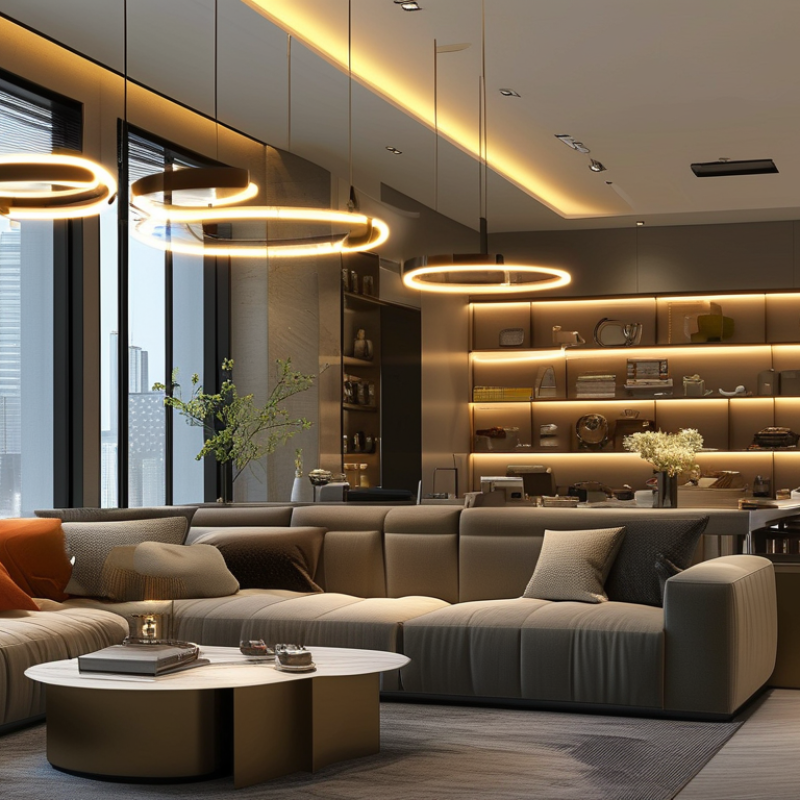
The induction downlight market is evolving rapidly, showcasing innovative aesthetic trends that appeal to global buyers. Recent reports estimate that the market will grow by 25% by 2026, driven by advancements in design and technology. Consumers are increasingly attracted to sleek, minimalist designs that blend seamlessly with their interiors. A study by the Lighting Research Center highlighted that aesthetics contribute to over 40% of the purchasing decision for lighting products. Modern induction downlights offer varied shapes and finishes, allowing them to serve both functional and decorative roles.
One emerging trend is the use of integrated smart technology. This has not only enhanced functionality but also inspired unique design elements. For instance, fixtures now feature embedded color-changing LED options, offering customization for any setting. Designers are exploring materials like aluminum and glass to make lights more visually appealing. These trends reflect a shift towards personalization in home decor.
Tips: Experiment with color temperatures that complement your decor. Always consider installation height for achieving the best light distribution. Regularly evaluate your aesthetic choices; lighting should enhance your space, not overwhelm it.
Smart Lighting Integration: The Future of Induction Downlights
Smart lighting integration is reshaping the landscape of induction downlights. As more buildings adopt smart technology, downlights are evolving. According to recent industry reports, the market for smart lighting is projected to reach $100 billion by 2026. This growth reflects a shift towards energy efficiency and convenience. Integration with smart home systems allows for greater control over lighting environments.
Controlling downlights via smartphones or voice-activated systems enhances user experience. Yet, implementing these technologies isn't without challenges. Many consumers struggle with compatibility issues. In 2022, around 30% of users reported difficulties integrating smart lighting into existing setups. This indicates a need for standardization and better user education in the industry.
The environmental impact of smart induction downlights is significant. Reports indicate that energy-efficient lighting can reduce electricity consumption by up to 75%. However, the initial costs can deter some buyers. Trade-offs between upfront investment and long-term savings create hesitation. Awareness and better pricing strategies could help bridge this gap.
Market Insights: Consumer Preferences for Induction Downlights in 2026
As we approach 2026, the market for induction downlights is evolving significantly. Consumer preferences highlight a growing demand for energy efficiency and innovative designs. Many buyers today are looking for products that combine functionality with aesthetic appeal. This trend reflects a broader awareness of sustainability and energy savings.
Tips: Consider how lighting impacts your spaces. Warm or cool tones can change a room's atmosphere. Experiment with different styles to find what works best for you.
Moreover, consumers are becoming more informed. They seek products that come with transparent specifications. Detailed knowledge about energy consumption and bulb longevity is essential. Shoppers want trustworthy products that meet essential standards. Well-researched products gain a competitive edge.
In addition, buyers appreciate user-friendly features. Dimming options and smart technology integration are increasing in popularity. However, some still struggle with the complexity of new technology. Simplicity in operation should not be overlooked, as it enhances user experience.
Tips: Always check compatibility with existing fixtures. Take time to read reviews and gather insights. This will help make an informed decision.
2026 Induction Downlight Trends

 +86 18968869621
 CONTACT NUMBER