Top 2025 Induction Tube Light Trends: Energy Efficiency & Innovative Designs
As we look towards 2025, the landscape of lighting technology is evolving, spearheaded by innovative advancements in energy efficiency. Among these remarkable innovations, the Induction Tube Light stands out as a frontrunner, offering a sustainable solution for both residential and commercial applications. With its ability to provide bright illumination while consuming significantly less energy than traditional lighting options, the Induction Tube Light is set to revolutionize our approach to energy consumption in lighting.
The growing demand for eco-friendly solutions has led designers and manufacturers to explore inventive features that enhance the functionality and aesthetics of Induction Tube Lights. From sleek designs that blend seamlessly into modern interiors to versatile applications that cater to various settings, the trends for 2025 focus on marrying efficiency with style. Moreover, as sustainability continues to gain importance, the push for long-lasting lighting solutions that reduce the frequency of replacements is more relevant than ever.
In this ever-changing landscape, understanding the latest trends in Induction Tube Light technology will be key for consumers and businesses alike. By prioritizing energy efficiency and innovative designs, we can look forward to a future that is not only brighter but also more sustainable. As we delve deeper into the trends shaping the future of lighting, the Induction Tube Light is poised to play a pivotal role in transforming how we illuminate our environments.
Emerging Energy Efficiency Standards for Induction Tube Lights in 2025
As we move towards 2025, energy efficiency standards for induction tube lights are set to become increasingly stringent, reflecting a global commitment to sustainability. According to a recent report by the U.S. Department of Energy, the energy consumption of lighting accounts for over 10% of total U.S. electricity use. In light of this, modern induction tube lights are being designed not only to meet but exceed these emerging efficiency standards. With advancements in technology, these lights now offer luminous efficacy ratings that can reach upwards of 100 lumens per watt, positioning them as a favorable choice for both residential and commercial applications.
To optimize energy use, many manufacturers are focusing on innovative designs that enhance thermal management and reduce power loss. By employing materials that improve heat dissipation, the lifespan of induction tube lights can extend significantly, with some models projected to last up to 50,000 hours. A report from the International Energy Agency highlights that transitioning to higher-efficiency lighting solutions could reduce global electricity demand for lighting by 30% by 2030.
**Tips:** When selecting induction tube lights, consider their energy efficiency ratings and the potential savings on your energy bills. Additionally, look for products that incorporate smart technologies, allowing for automated control and further optimization of energy use. Lastly, always check for compliance with the latest energy efficiency standards to ensure your choice contributes to environmental sustainability.
Innovative Design Features Shaping the Future of Induction Tube Lighting
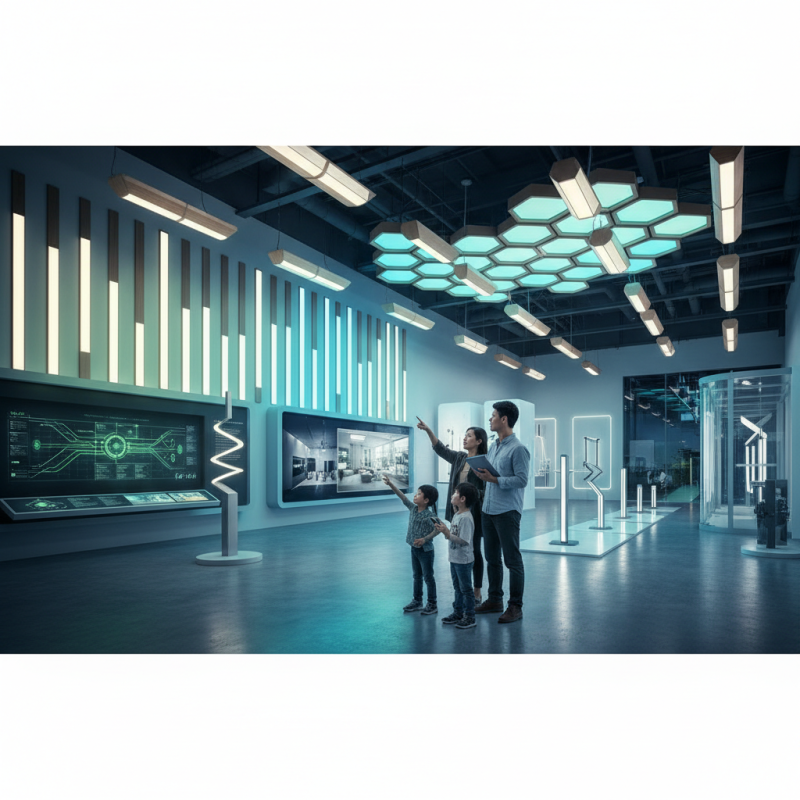
The future of induction tube lighting is being reshaped by innovative design features that focus on both functionality and aesthetics. One of the most significant trends is the integration of smart technology. Sensors can now adjust the brightness and color temperature of lights based on the surrounding environment and the presence of occupants. This responsiveness not only enhances comfort but also contributes to energy savings, making spaces more adaptable to user needs.
Another key aspect of innovative design is the movement towards sustainable materials and manufacturing processes. Eco-friendly options are becoming increasingly available, allowing designers to create induction tube lights that are both visually appealing and environmentally conscious. Sleek, minimalist designs are gaining popularity, emphasizing form while maintaining efficiency. Additionally, the introduction of customizable colors and patterns allows for greater personalization in various settings, from residential to commercial spaces. This blend of technology and design is setting the stage for a new era in induction tube lighting, where aesthetics and practicality coexist seamlessly.
Top 2025 Induction Tube Light Trends: Energy Efficiency & Innovative Designs
| Trend |
Description |
Energy Efficiency (Wattage) |
Innovative Features |
| Smart Controls |
Integration with IoT for remote control and automation. |
15W - 25W |
App-based scheduling and energy monitoring. |
| Dimmability |
Ability to adjust brightness based on need or time of day. |
10W - 20W |
Smooth dimming without flicker. |
| Design Aesthetics |
Sleek and modern designs that blend with interiors. |
18W - 30W |
Variety of colors and finishes. |
| Long Lifespan |
Extended operational life reducing replacement frequency. |
20W - 40W |
Durable materials for enhanced longevity. |
| Sustainability |
Environmentally friendly production and recyclable materials. |
12W - 22W |
Low environmental impact and energy savings. |
Comparative Analysis: Induction Tube Lights vs. Traditional Lighting Solutions
The comparative analysis of induction tube lights against traditional lighting solutions highlights significant advancements in energy efficiency and design innovation. According to a report by the U.S. Department of Energy, induction lighting systems can achieve energy savings of up to 70% compared to traditional incandescent bulbs, making them an increasingly attractive option for both commercial and residential applications. This reduction in energy consumption not only lowers utility bills but also contributes to a smaller carbon footprint, aligning with global sustainability goals.
In addition to energy efficiency, the longevity of induction tube lights plays a critical role in their growing popularity. Industry studies indicate that induction lights can last 50,000 hours or more, significantly outpacing the lifespan of traditional lighting options, which average around 1,000 hours for incandescent bulbs and 15,000 hours for fluorescent solutions. This durability translates to lower maintenance costs and less frequent replacements, presenting a compelling argument for businesses and homeowners to shift towards induction technology. As the lighting industry evolves, the blend of energy efficiency and long life expectancy positions induction tube lights as a forward-thinking choice for modern lighting needs.
Sustainability Trends in Induction Tube Light Manufacturing Practices
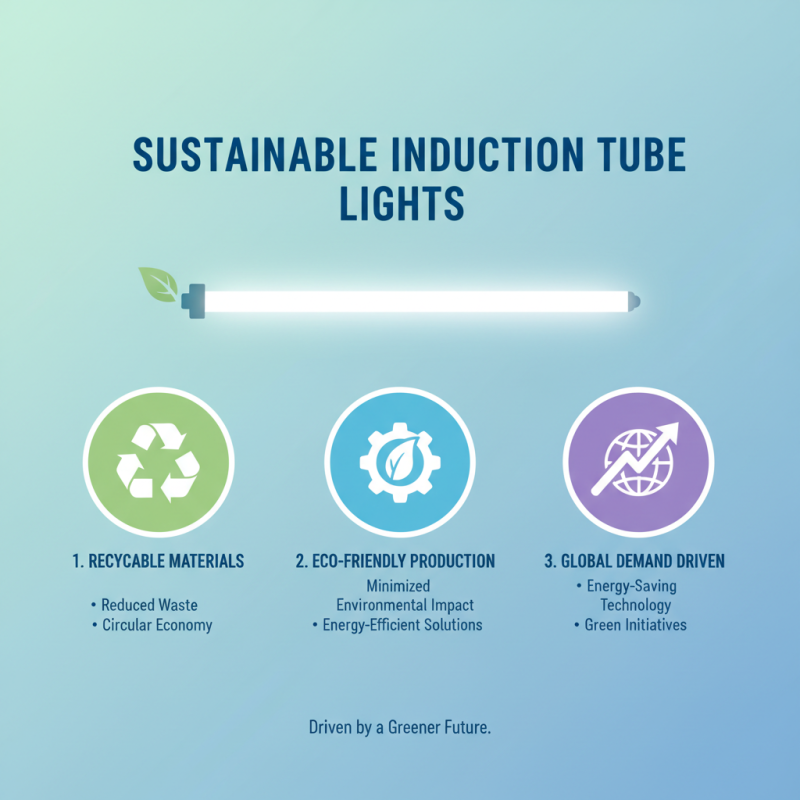
The manufacturing practices of induction tube lights are increasingly shifting towards sustainability, driven by a global demand for energy-efficient and environmentally friendly solutions. One significant trend is the use of recyclable materials in the construction of induction tube lights. Manufacturers are focusing on sourcing raw materials that not only reduce waste but also minimize the environmental impact during production. By adopting sustainable sourcing strategies, companies can support a circular economy, where products are designed with their end-of-life in mind, encouraging recycling and reducing landfill contributions.
Moreover, energy efficiency remains a pivotal aspect of the sustainability trend in induction tube light design. Advanced technologies have allowed for the development of products that consume less power while delivering optimal lighting performance. This not only helps in reducing electricity costs for consumers but also targets the larger goal of minimizing overall carbon footprints. Innovations such as smart lighting controls and integrated sensors are becoming increasingly common, allowing users to optimize energy consumption based on actual usage, which enhances both convenience and sustainability in lighting solutions.
Consumer Preferences Driving Induction Tube Light Market Innovations
The growing consumer demand for energy-efficient lighting solutions is significantly shaping innovations in the induction tube light market. According to a recent report by ResearchAndMarkets, the global induction lighting market is projected to reach approximately $20 billion by 2025, driven primarily by rising awareness of energy conservation among consumers. This shift in consumer preferences is compelling manufacturers to develop induction tube lights that not only meet energy efficiency standards but also offer aesthetically pleasing designs and advanced technologies.
As consumers become more environmentally conscious, they are prioritizing products that promise reduced energy costs and longevity. The U.S. Department of Energy states that induction lighting typically offers 50% more efficiency compared to traditional fluorescent lights, with lifespans extending up to 100,000 hours. This longevity, combined with lower maintenance costs, makes induction tube lights increasingly attractive to both residential and commercial users. Manufacturers are responding by incorporating innovative designs that cater to various settings, enhancing functionality while maintaining visual appeal. Trends such as smart lighting and customizable features are emerging, reflecting a broader consumer shift towards high-tech, user-friendly solutions that seamlessly integrate with modern lifestyles.

 +86 18968869621
 CONTACT NUMBER